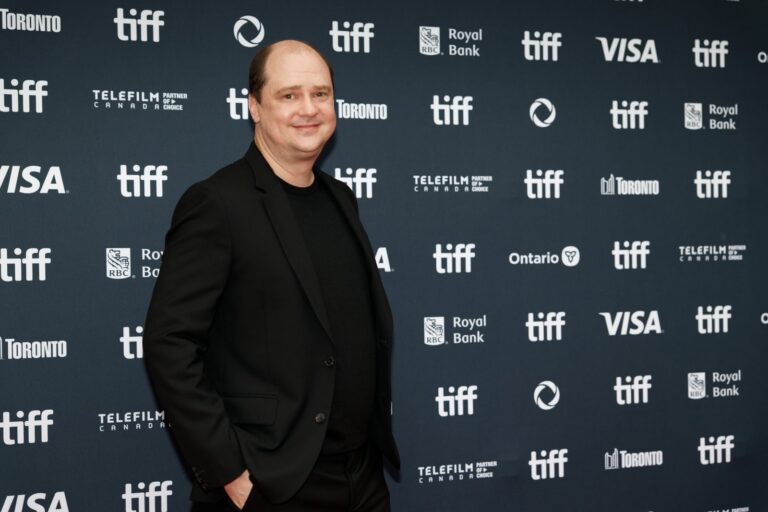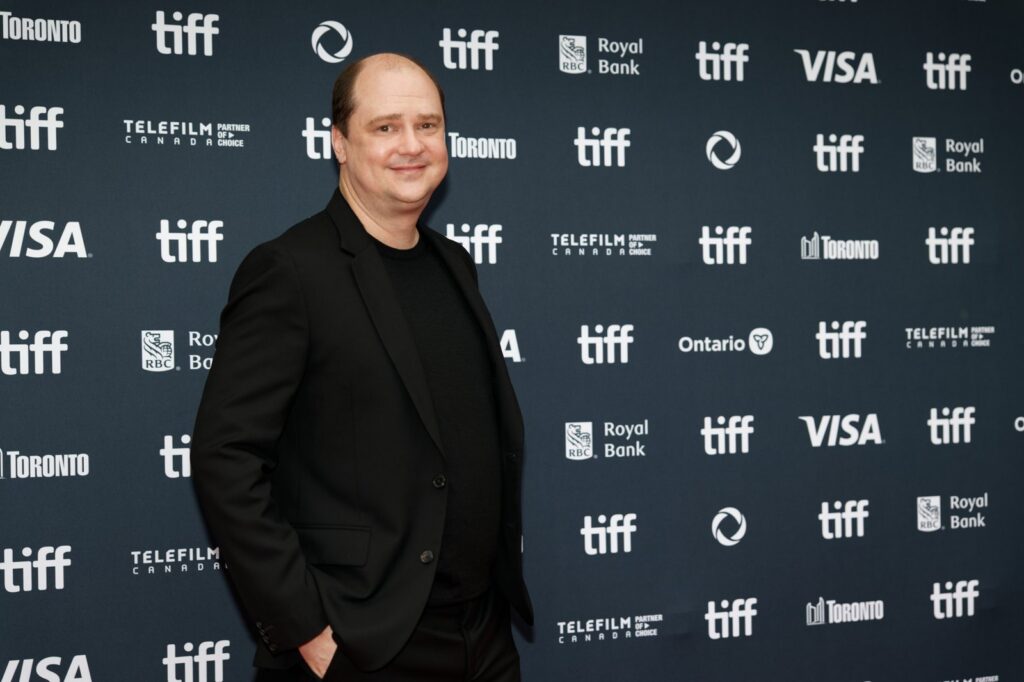
Mike Flanagan has spent the last decade turning Stephen King’s most harrowing tales into intimate studies of human connection. Now, with a second season of his modernized “Carrie” ordered at Prime Video and a “Warhammer 40,000” series on the horizon, the showrunner is mapping a distinct shift in his creative output. He is moving away from the suffocating dread that defined his early Netflix anthology and toward a cinema of empathy, where the terror comes not just from the supernatural, but from the choices people make in its face.
Flanagan’s evolution is written into the DNA of his latest projects. After five miniseries and one film at Netflix, the director signed a multi-year deal with Prime Video, and “Carrie” became his first series under that umbrella. The adaptation modernizes Stephen King’s 1974 novel, recasting Carrie White as an optimistic teenager stepping into high school after her father’s death, only to face a viral bullying scandal that triggers her telekinetic powers. Flanagan described the update as a “body-horror story of teenage years” mixed with modern social pressures. The decision to keep Carrie alive beyond the prom—defying the novel and Brian De Palma’s 1976 film—was not a creative afterthought. In a Deadline interview following the Season 1 renewal, Flanagan explained that he “could not in good conscience give them a hopeless story,” especially given the way cruelty has been normalized in the current social climate. He noted that today’s teenagers grow up with the very real fear of public shaming in their heads, a reality that reshaped how he approached the character’s trajectory. The Season 1 finale offers a moment of connection: after imagining her own death, Carrie’s real friend Emaline reaches out a hand, a direct homage to the original film’s final shot but with a different emotional result.
This pivot from hopelessness to empathy is a thread that runs through Flanagan’s entire body of work. His adaptations of King’s work—from “Gerald’s Game” to “Doctor Sleep” to “The Life of Chuck”—have consistently woven grief, connection, and the human condition into the horror. “The Midnight Club,” designed as a continuing series about terminally ill teenagers sharing ghost stories, was canceled by Netflix after one season, a loss that speaks to the precarious nature of streaming homes for auteur-driven work. Yet Flanagan’s frequent collaborator network—his wife Kate Siegel, who co-wrote “Hush” and directed an episode of “Carrie,” and a rotating ensemble of reliable actors—has allowed him to maintain a consistent output despite those shifts. The showrunner himself called working on the upcoming “Warhammer 40,000” series “the time of my life,” signaling a new frontier where his thematic focus on connection can play out against a backdrop of sci-fi warfare.
The numbers tell a story of a creator in high demand. Flanagan has adapted four Stephen King works for screen, with “The Mist” awaiting release and “The Dark Tower” standing as a hopeful dream. He wrote the first draft of the DC Universe film “Clayface” in 2026 and is directing “The Exorcist: Martyrs” in 2027. His history with King runs deep; he read “It” in fifth grade and “Gerald’s Game”—which he would later adapt—in college. The “Carrie” renewal means a second season is in the works, and Flanagan has teased a three-step arc he’d be excited to explore, though he prioritized making the first season stand on its own. The show’s modern setting, mixed with the enduring horror of teenage cruelty, ensures that the series remains relevant, but it is the humanity at the center— the bond between Carrie and Emaline, the grief over a lost father—that gives the story its staying power.
For an ordinary reader, the significance lies in seeing a horror auteur use his platform to argue for hope. Flanagan has spent years proving that the genre can be a vessel for exploring grief and connection, and “Carrie” is his most explicit argument yet: that even in a world that normalizes cruelty, a story can end not in tragedy, but in the simple, radical act of reaching out a hand. The next scheduled date for audiences is the premiere of “The Exorcist: Martyrs” in 2027, but the immediate future belongs to the second season of “Carrie,” which will likely continue to chart that journey from isolation to empathy.
Sources
- Mike Flanagan (filmmaker)
- 'Carrie' Creator Mike Flanagan Reflects On Season 1
- Mike Flanagan's Stephen King Adaptations, Ranked
- Every Mike Flanagan TV Series, Ranked
- Mike Flanagan answers our ‘Carrie’ burning questions ahead of Season 2: Who really killed Tommy? Is Emaline for real? Do all roads lead to ‘The Dark Tower’?
- Forget ‘Carrie,’ Mike Flanagan’s Best Horror Miniseries Is a Masterpiece From Start to Finish
Photo: Kevin Payravi (CC BY-SA 4.0)