As the November 2026 streaming calendar fills with titles like “Bad Apples” and “Resident Evil” arriving on Amazon Prime Video, the question of how long a movie stays in theaters before hitting a screen has become less relevant to the average viewer. The window between theatrical release and digital availability is shrinking, a shift driven not by the desire to watch films in a dark room, but by the frictionless way short-form clips now dictate what audiences choose to consume. This compression of the theatrical window is fundamentally rewiring the economics of mid-budget films, forcing studios to view the cinema not as a primary revenue source, but as a marketing engine for a much larger, immediate streaming audience.
The Disappearance of the Theatrical Moat
For decades, the theatrical run was the primary gatekeeper of film profitability. Studios relied on a long, exclusive window in cinemas to recoup production costs before the film trickled down to home video and, eventually, streaming. That model is collapsing. The data suggests that the “moat” around theatrical exclusivity is no longer deep enough to retain audience attention for long. When a film releases, its life cycle is now dominated by the social media clip economy. A mid-budget movie, which lacks the massive global marketing budget of a tentpole, often relies on organic social buzz to drive ticket sales. If that buzz does not translate to box office returns quickly, the film is pulled from theaters or its streaming release is accelerated to capture the audience while interest is still high.
This shift is not merely about convenience; it is about the location of discovery. According to the Luminate report “Social Media & Entertainment Discovery,” over half of U.S. viewers ages 18-24 use short-form video to find new movies and TV shows to watch. This figure stands at 57%, narrowly surpassing the 55% of viewers who browse streaming service interfaces directly. For a mid-budget film, this is a critical strategic pivot. The cinema is no longer the destination for discovery; it is merely one of several entry points. The real destination is the algorithmic feed, where a 30-second clip can drive more traffic than a trailer running in front of a blockbuster.
How the Algorithm Replaced the Carousel
The mechanism driving this change is the integration of social feed mechanics into streaming platforms. Traditionally, streaming services presented content through carousels of curated tiles, a static layout that required active user browsing. This method is being replaced by vertical, algorithmic feeds that mimic the behavior of TikTok and Instagram. Over the past year, nearly every major U.S. streaming video service has developed its own TikTok-style vertical video feed in its mobile app, a move explicitly positioned by industry analysts as a response to the dominance of short-form video in content discovery.
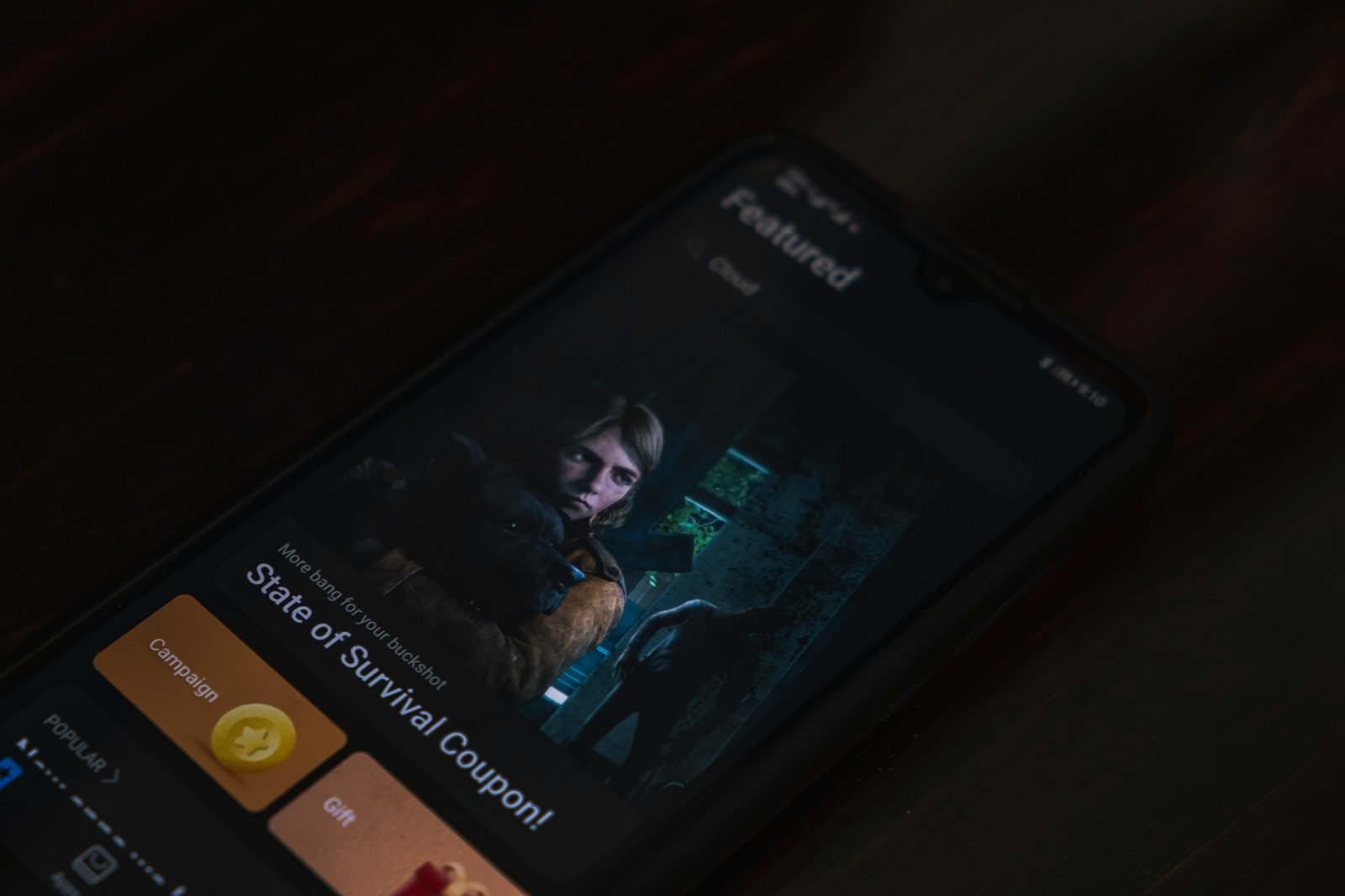
This structural change benefits mid-budget movies disproportionately. A tentpole blockbuster dominates the “curated tile” landscape because of its star power and marketing spend. However, in an algorithmic feed, a compelling 15-second clip from a mid-budget thriller or drama can compete directly with a Hollywood epic. The algorithm serves content based on engagement, not budget. If a viewer pauses on a clip from a lesser-known film, the system prioritizes showing them more of that content, or related titles, effectively creating a discovery path that bypasses the traditional hierarchy of film prestige. For studios, this means the profitability of a mid-budget film is increasingly tied to its “clippability,” or how well its scenes translate to vertical, short-form formats, rather than its theatrical box office gross.
The Strategic Calculus of Shorter Windows
The primary strategic goal for streaming services in adopting these feeds is to retain viewer attention by bringing social discovery behaviors inside their own apps. By doing so, they are shortening the feedback loop between a user seeing a clip and watching the full film. This directly impacts the theatrical window. If a streaming platform can effectively drive its own content discovery through internal vertical feeds, the value of a long theatrical exclusivity period diminishes. The platform does not need the film to be “fresh” in theaters to generate interest; it can generate that interest internally through its own social mechanics.
This creates a new calculus for profitability. For mid-budget movies, the risk of a long theatrical run is that the audience moves on. The social media cycle is fast; a trend that peaks in week one of a theatrical release may have died by week four. By shortening the window, studios and streamers ensure the film is available on the platform where the discovery is actually happening. The Luminate data indicates that viewers on social media scroll algorithmic feeds of clips, which inspires them to seek out original content off-platform. By integrating these feeds into streaming apps, services are closing that loop, allowing the “off-platform” impulse to be satisfied within the ecosystem where the subscription fee is paid.
Instagram as a Competitor in the Streaming Space
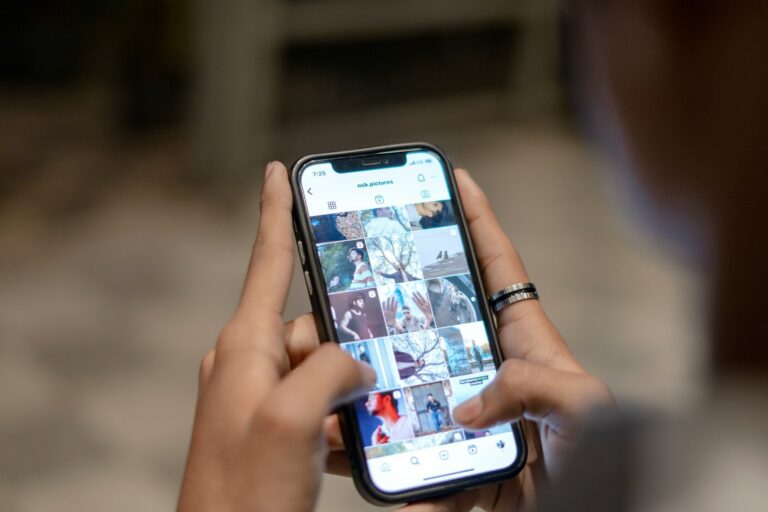
The pressure on streaming services is compounded by the fact that social platforms themselves are expanding into long-form video. Instagram announced plans to expand tests in the US that let creators upload long-form content up to 90 minutes, a move that challenges the traditional boundary between social media and streaming. Tessa Lyons, vice president of product at Instagram, stated the goal is to build the “best place for social entertainment.” By allowing creators to flip video orientation to horizontal and link short clips to full-length videos, Instagram is positioning itself not just as a discovery engine, but as a destination for full-length viewing.
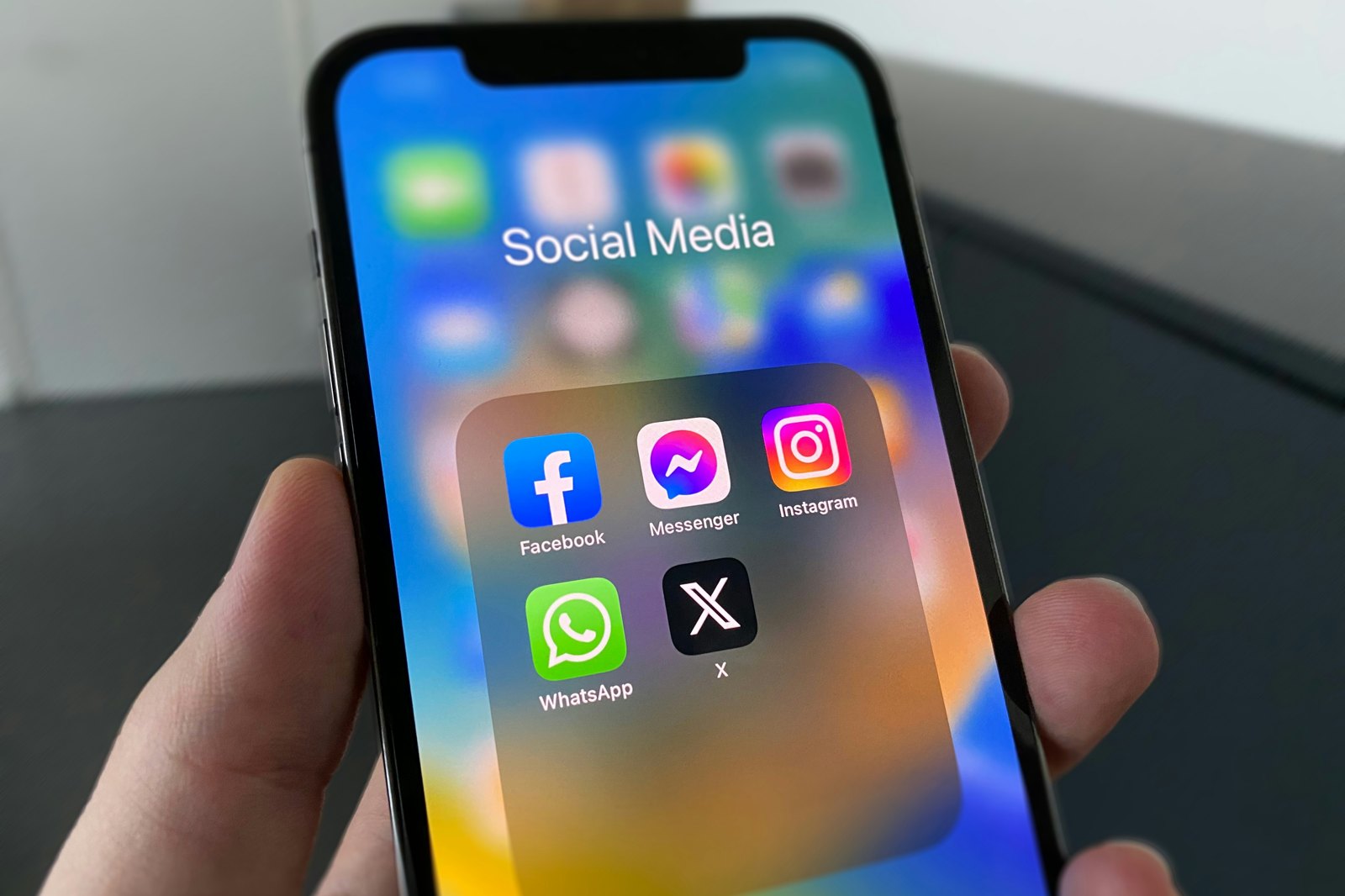
This expansion is significant for the mid-budget film landscape. If Instagram can successfully host and drive engagement for 90-minute narratives, it creates a new, free distribution channel that bypasses both the theater and paid streaming subscriptions entirely. For a mid-budget film, this represents a dual threat and opportunity. The threat is that the audience may be satisfied with clips or free long-form content on social platforms, reducing the willingness to pay for a streaming subscription or a ticket. The opportunity is that the “Series” feature, which allows creators to turn Reels into episodic content, mirrors the structure of many mid-budget films and limited series, suggesting that social platforms are becoming viable venues for narrative storytelling that previously required a traditional home video or streaming release.
The Impact on Mid-Budget Profitability
The convergence of shorter theatrical windows and algorithmic discovery is reshaping the financial viability of mid-budget movies. In the past, a mid-budget film had to perform well in theaters to justify its production cost. Now, the profitability model is shifting toward a “day-and-date” or “short-window” release where the film’s success is measured by its performance on streaming and social platforms simultaneously. The 57% of young viewers who use short-form video for discovery represents a market that is less loyal to the theatrical experience and more loyal to the content itself, regardless of where it is hosted.
This shift favors films with strong visual hooks and narrative beats that translate to short clips. A mid-budget movie with a complex, slow-burn narrative may struggle in this environment, as it lacks the immediate “clippable” moments that drive algorithmic engagement. Conversely, a mid-budget action or horror film, like the recent “Resident Evil” release, can leverage its high-energy sequences to drive social buzz, which in turn drives streaming views. The profitability of these films is no longer solely a function of ticket sales, but of their ability to sustain engagement across multiple platforms, from the cinema to the TikTok feed to the streaming app’s vertical carousel.
As streaming services continue to integrate social feed mechanics and social platforms expand into long-form content, the theatrical window will likely continue to compress. The mid-budget movie will increasingly be treated as a piece of digital content designed for immediate consumption and social sharing, rather than a cultural event requiring a prolonged exclusive run. The next scheduled shift in this dynamic will be seen as Instagram’s 90-minute upload feature becomes widely available, potentially offering a free, social-driven alternative to the paid streaming models that currently dominate the mid-budget film market.
Sources
- Missed it in theaters? Here’s every movie finally arriving on streaming in November 2026
- Streaming media
- Instagram Is a Streaming Service Now
- Why Content Discovery Is Driving Vertical Video Feeds on Streaming Services | Luminate
- North Carolina A&T State University Launches the Aggie Media Streaming App | The Journal of Blacks in Higher Education
- How building a cheap home server could save you money in the long run – Engadget
Photo: Viralyft / Unsplash (Unsplash License)