
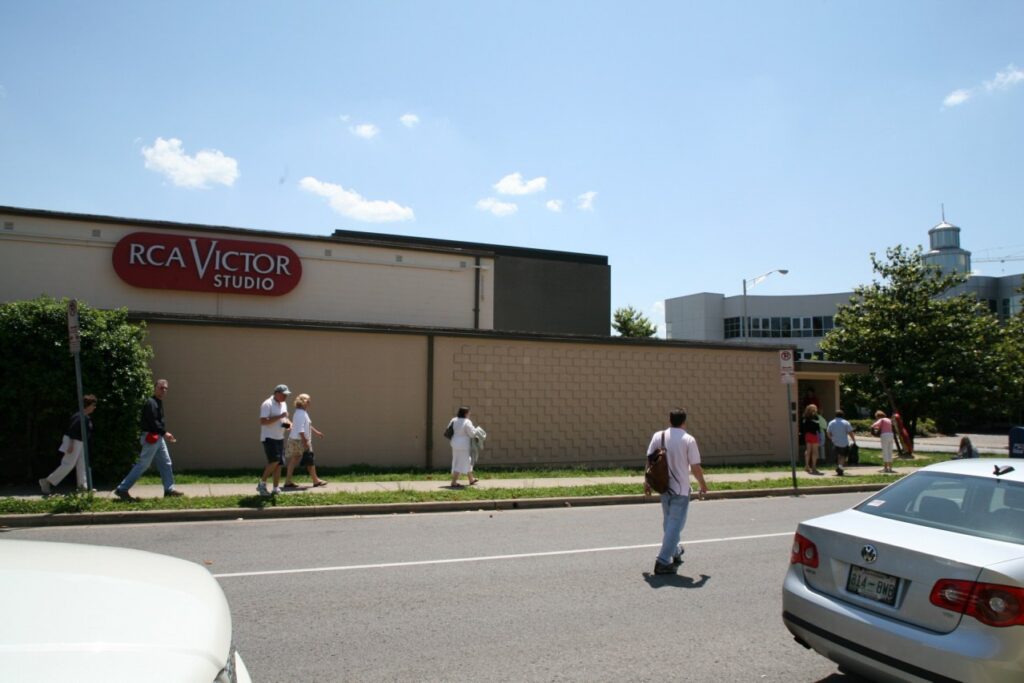
Berlin, New Jersey, has a new home for historic audio equipment. Original Victrola players sit alongside radios and televisions inside a converted White Horse Pike office building.
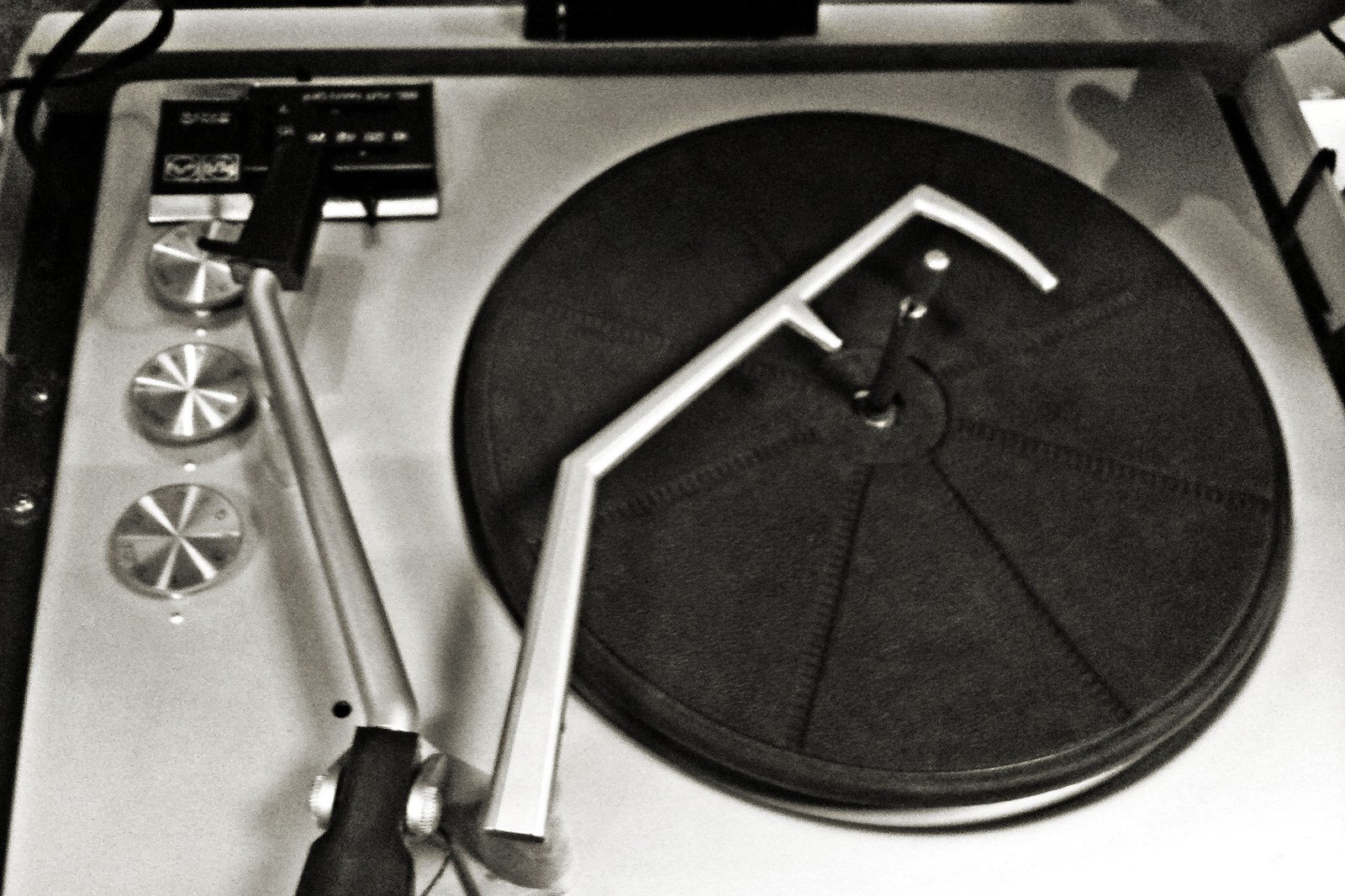
The newly opened Victor Museum preserves machines built just a few miles away in Camden. Its collection follows the Victor Talking Machine Company and RCA Victor from hand-cranked record players in the 1890s to RCA’s collapse in the 1980s.
The bottom line: this is a working industrial collection, not a display of reproductions. Many cabinets retain their original solid wood, and most of the Victrolas either play already or are being restored.
A record company and a radio company combine
By 1929, Victor was the world’s largest manufacturer of phonographs and records. Radio Corporation of America bought it that year, creating the RCA Victor Division and acquiring the New World rights to Nipper and the “His Master’s Voice” trademark.
The companies had previously competed from different sides of home entertainment. Victor made turntables; RCA made radios. Together they could put a record player and radio inside a single furniture cabinet.
RCA Victor’s recording history includes Elvis Presley and Charley Pride. Presley’s “Are You Lonesome Tonight?” was released in 1960, topped the Billboard Hot 100 for six consecutive weeks and sold 1.8 million copies in the United States.
RCA Victor also released Presley’s Spinout soundtrack in October 1966, built around his 23rd film. Its 12 songs included an unusually expansive version of Bob Dylan’s “Tomorrow Is a Long Time,” which Dylan later identified as the cover recording he treasured most.
Pride signed with the label in the mid-1960s and released Country Charley Pride in 1966. He became a defining voice in twentieth-century country music.
Today RCA Records belongs to Sony Music Entertainment and is the corporate successor to Victor.
Retired engineers kept the collection alive
Many exhibits came from Rowan University’s former RCA Heritage Program Museum. Retired RCA employees ran much of that programme.
One of them, Richard Reindl, spent 1973 through 2013 working in Camden as an RCA engineer. He has spent his retirement maintaining historic equipment.
Rowan spent $23.4 million renovating Campbell Library, where the heritage collection was based. Reindl said the university offered 10 to 15% of the original exhibition space after asking the group to downsize.
“We decided that there would be a better opportunity for us to take what we had and move it elsewhere,” he said.
The move also preserves evidence of Camden’s manufacturing base. “Camden had the largest woodworking shop on the East Coast,” Reindl said.
Other pieces include early- and mid-century radios made with Bakelite and walnut, televisions from the 1940s with 10-inch screens, and RCA space-flight and satellite technology from the 1970s and 1980s.
An early electric piano from the 1930s only partly works. Entrepreneur Graham Alexander joked that he had not heard it switched on and guessed it sounded “pretty bad.”
Innovation, success and an expensive failure
The museum records RCA Victor’s development of the first consumer colour television alongside less successful ventures.
SelectaVision arrived in 1981 as a vinyl disc capable of playing films with colour pictures and stereo sound. Its tiny grooves were an impressive engineering achievement, but Japanese VHS tapes won the home-video market.
“It’s a historic failure,” Alexander said. Hundreds of millions of dollars in research and development could not make the format competitive.
That and other missteps left RCA vulnerable to General Electric’s 1986 takeover. GE subsequently sold RCA businesses until little more than the brand remained.
A decade ago, Alexander acquired the rights to use the Victor Talking Machine Company name, hoping to bring music business back to Camden. He has since opened the Victor Vault performance venue, plus a recording studio and record label.
“I don’t think most people know that the recording industry from the 1890s was born in Camden,” he said.
Nipper returns to Camden County
The museum also holds the original stained-glass Nipper window once displayed in RCA’s Camden tower. Francis Barraud painted “His Master’s Voice” in 1898, and Eldridge Johnson bought the American rights for Victor in 1901.
The real terrier died in 1895, before Barraud created the painting from photographs. Alexander acquired remains believed to be Nipper’s in 2022 and reburied them outside the museum beneath a statue.
A memorial plaque honours more than 200,000 past and present workers in Camden County who served the music industry.
The Victor Museum joins the Sarnoff Collection in Ewing and Delaware’s Johnson Victrola Museum, currently closed for renovation, in preserving the region’s recorded-sound heritage.
Sources
- RCA Records
- A new museum in Camden County traces the history of RCA-Victor
- The Estate of Abbe Lane: A Legacy of Glamour and Style presented by John Moran Auctioneers
- Elvis Presley’s Spinout at 60 Bob Dylan Cover – Noise11 Music News
- This Day in Rock History: November 1
- Complete List Of Charley Pride Songs From A to Z
Photo: Cliff from I now live in Arlington, VA (Outside Washington DC), USA (CC BY 2.0)