One Instagram Reels clip, a rant about the health care system from the Happy Wife Happy Life podcast, reached 5 million viewers. A WIRED writer who saw it spent the next hour scrolling the show’s other snippets and never once followed the hosts to another platform for a full episode. That small habit explains a very large fight over where video gets discovered.
The calculus for streamers is simple. Over the past year, nearly every major U.S. streaming video service has built its own TikTok-style vertical feed into its mobile app, according to Luminate’s October 2026 report Social Media & Entertainment Discovery. Discovery is the main reason given. Among U.S. viewers ages 18-24, 57% use short-form video to find new movies and TV shows, narrowly ahead of the 55% who browse streaming services, per Luminate’s U.S. Entertainment 365 survey.
Carousels against feeds
The two models work differently. On a streaming service, viewers browse carousels of curated tiles and then pick a title. On social media they scroll an algorithmic feed of clips, whether movie moments, behind-the-scenes interviews or creator content, which sends them looking for the original off platform. Streaming apps are now borrowing that mechanism to keep the whole loop inside their own walls.
Luminate argues the key word in “vertical video” is “mobile.” Social feeds adapted to phones as audiences left desktops, while streaming services have not yet built mobile-native experiences for smaller screens. The harder job is getting people into those apps at all and then forming a habit.
A crowded field for attention
The stakes extend past the streamers. As short-form video takes over social feeds, social platforms compete for every minute spent on any video, whether user-made or premium. YouTube holds 15.8% of viewing on TV screens, according to the Nielsen Gauge for August 2026. Instagram and TikTok are reportedly developing connected-TV apps of their own.
Instagram’s latest move shows what this signals. The company will expand US tests that let creators upload videos up to 90 minutes long, flip them to horizontal and link short clips back to full-length videos. “Our belief here is that entertainment and creativity are not limited to a three-minute video,” Tessa Lyons, Instagram’s vice president of product, told WIRED. She wants Instagram to be the “best place for social entertainment.” The pitch, in her words: “TV becomes a great destination for watching long-form, horizontal content, and mobile becomes a great place for discovering that content.”
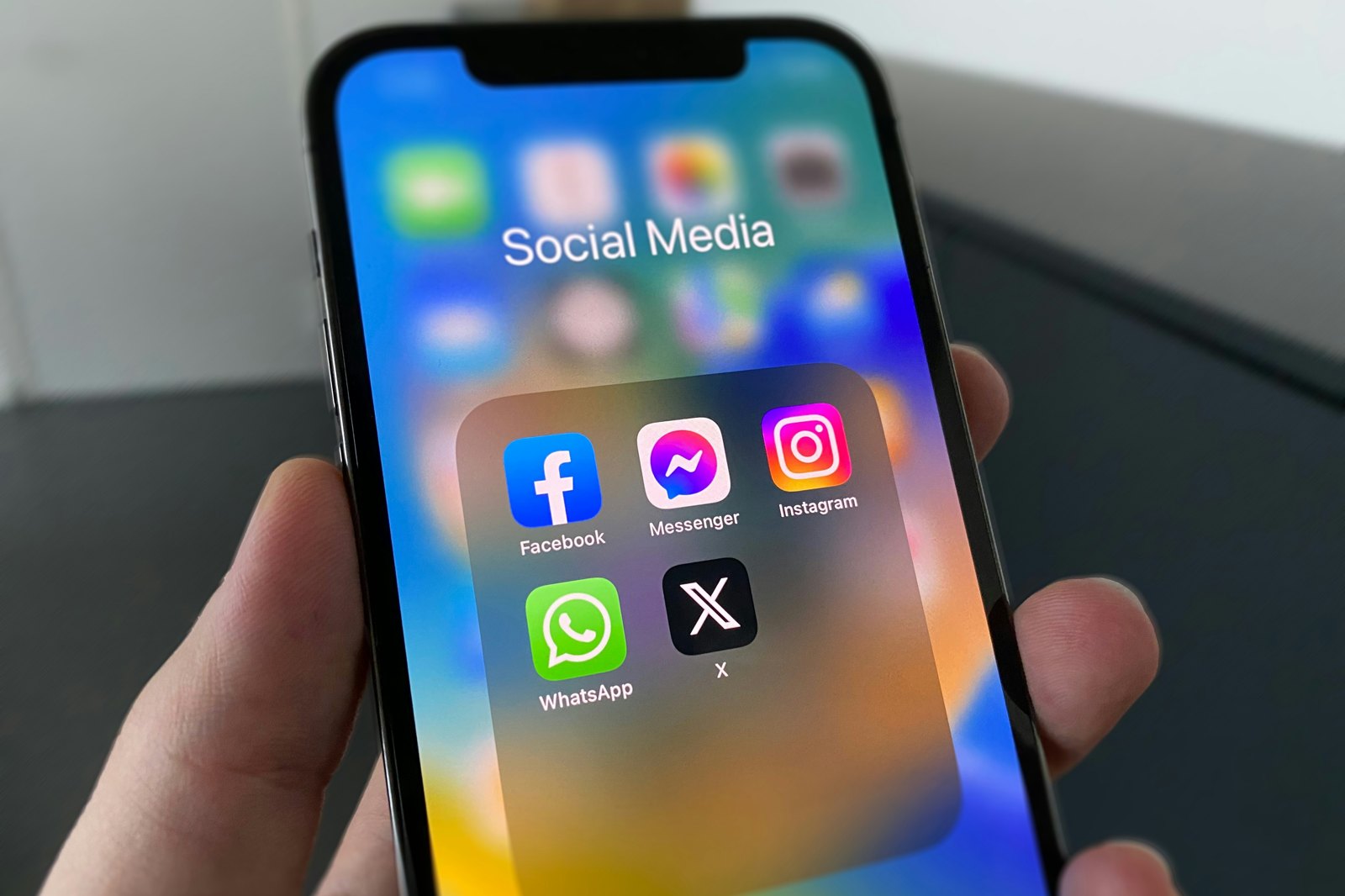
Instagram is also testing a feature called Series, which turns Reels into episodic content and is already available to some creators. Lyons has learned from IGTV, the earlier attempt at longer video. It only allowed vertical video, failed to connect with users, and Meta discontinued the app a few years after its 2018 launch.
What studios are feeding the feeds
Vertical feeds also open a door for content made for phones first. Studios are producing, licensing or investing in microdramas. Peacock moved earliest, with a dedicated hub called “Your Bravoverse” in its mobile app for scripted and unscripted microdramas, and Disney+ and Paramount+ are expected to launch original ones. In August, Disney partnered with TikTok so creators could use characters from Marvel, Pixar and Star Wars in videos on TikTok and on Verts on Disney+.
The broader stakes are plain. The feeds exist so streamers can own the behaviors consumers already practice on social media, then steer viewers toward long-form shows and the studios’ own franchises.
Sources
- Missed it in theaters? Here’s every movie finally arriving on streaming in November 2026
- Streaming media
- Instagram Is a Streaming Service Now
- Why Content Discovery Is Driving Vertical Video Feeds on Streaming Services | Luminate
- North Carolina A&T State University Launches the Aggie Media Streaming App | The Journal of Blacks in Higher Education
- How building a cheap home server could save you money in the long run – Engadget
Photo: Viralyft / Unsplash (Unsplash License)