Six people are dead and three more are injured after a car crash in Tacoma, Washington, on July 16, 2023. The accident has left the city confronting hard questions about road safety, infrastructure, and the long-term push for cleaner transportation.
The crash itself is still under investigation. No official cause has been released. That lack of clarity has not stopped the ripple effects. Families are grieving. Hospitals are treating the injured. Local traffic officials are likely reviewing the stretch of road where the wreck occurred, looking for patterns or hazards that might have contributed.
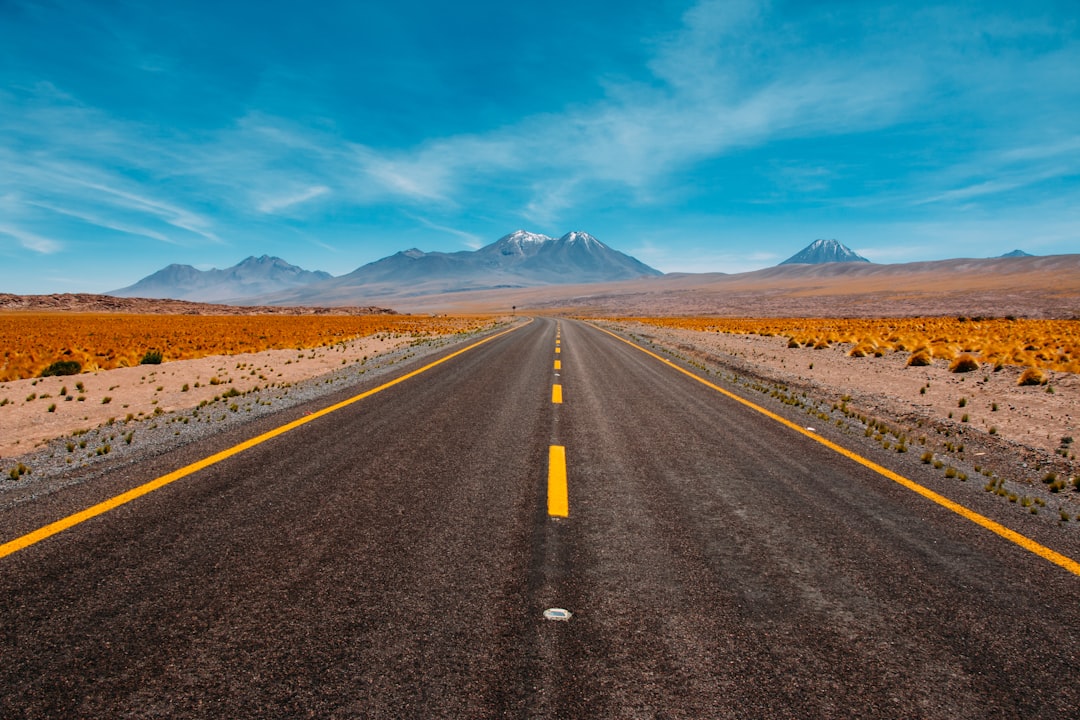
Tacoma, like many mid-sized American cities, has seen steady growth. More people means more cars on the road. More cars means more chances for something to go wrong. The city has been balancing that growth against the need to maintain and improve its roads. This crash puts that balancing act in sharp relief. The community now watches to see if officials will respond with new safety measures — better lighting, changed traffic patterns, or stricter enforcement.
The broader context here is energy and the environment. The report linked the crash to the need for safer roads and also to the shift toward renewable energy and electric vehicles. That connection is not accidental. Electric and hybrid cars are part of a larger conversation about how we move people without wrecking the planet. Tacoma, like other urban centers, is trying to figure out how to grow without destroying the environment.
Solar and wind power are being pushed as alternatives to fossil fuels. They offer a cleaner way to generate electricity. That electricity can power cars, homes, and businesses. The idea is to reduce reliance on finite resources like oil and coal. The crash in Tacoma is a reminder that the way we travel has consequences beyond the immediate tragedy. It touches on energy security, cost, and the health of the planet.
For now, the investigation continues. The injured are recovering, if they can. The dead are being mourned. The rest of the city goes about its business, but with a new awareness of the risks on the road. The crash did not happen in a vacuum. It happened on a specific street, at a specific time, under specific conditions. Those conditions are now being examined.
What comes next is uncertain. There will be pressure on local authorities to act. There will be calls for better infrastructure. There might be new laws or policies aimed at preventing another such event. The push for electric vehicles and renewable energy will continue, driven partly by the knowledge that every car on the road carries risk. Reducing that risk means safer vehicles, safer roads, and safer drivers.
The crash in Tacoma is a single event, but it echoes through the city and beyond. It touches families, first responders, traffic engineers, and policymakers. It also touches the broader conversation about energy and the environment. The two are linked. The way we build our roads and power our cars affects everyone. That is the lesson of this tragedy, plain and hard.