The Department of War’s decision to declassify the PR48 report on unresolved UAP incidents in the Indo-Pacific Command area is less about disclosure and more about process. The report itself, compiled by the All-domain Anomaly Resolution Office with the Office of the Secretary of Defense, lands as the first major test of the PURSUE policy framework. That policy, implemented across the Department of War, mandates standardized reporting and declassification of UAP incidents. PR48 is the product of that machinery.
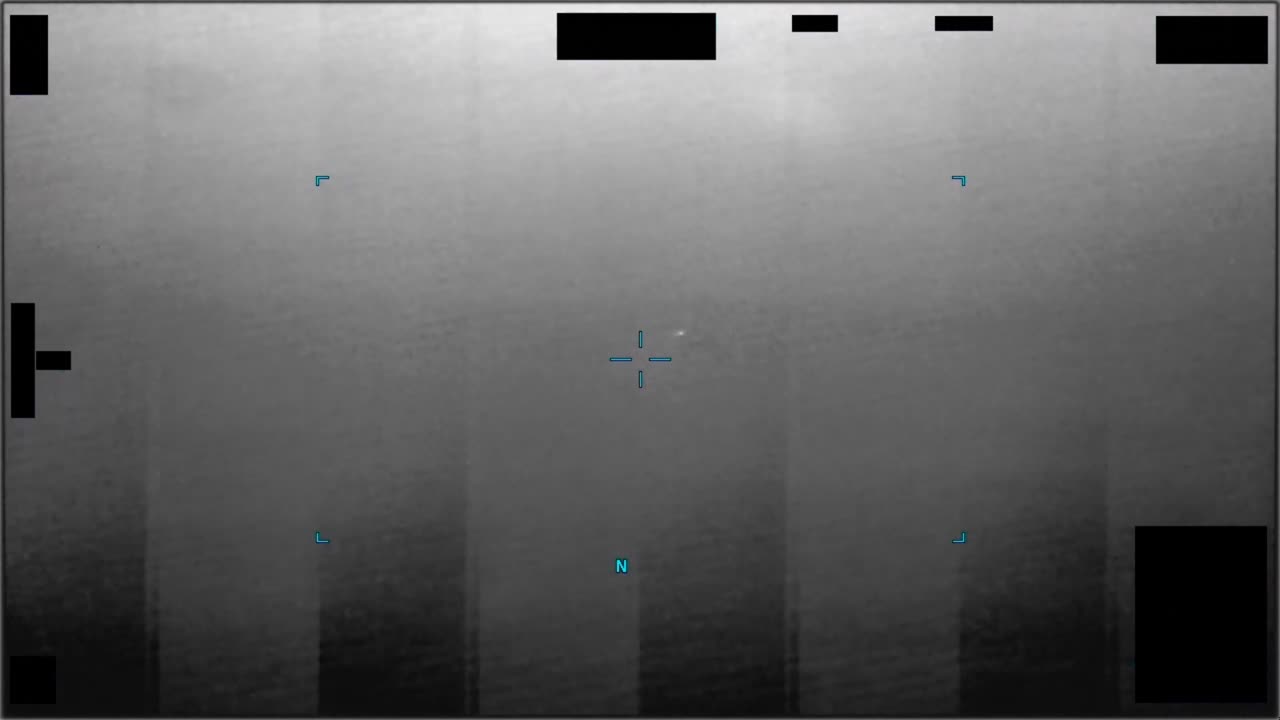
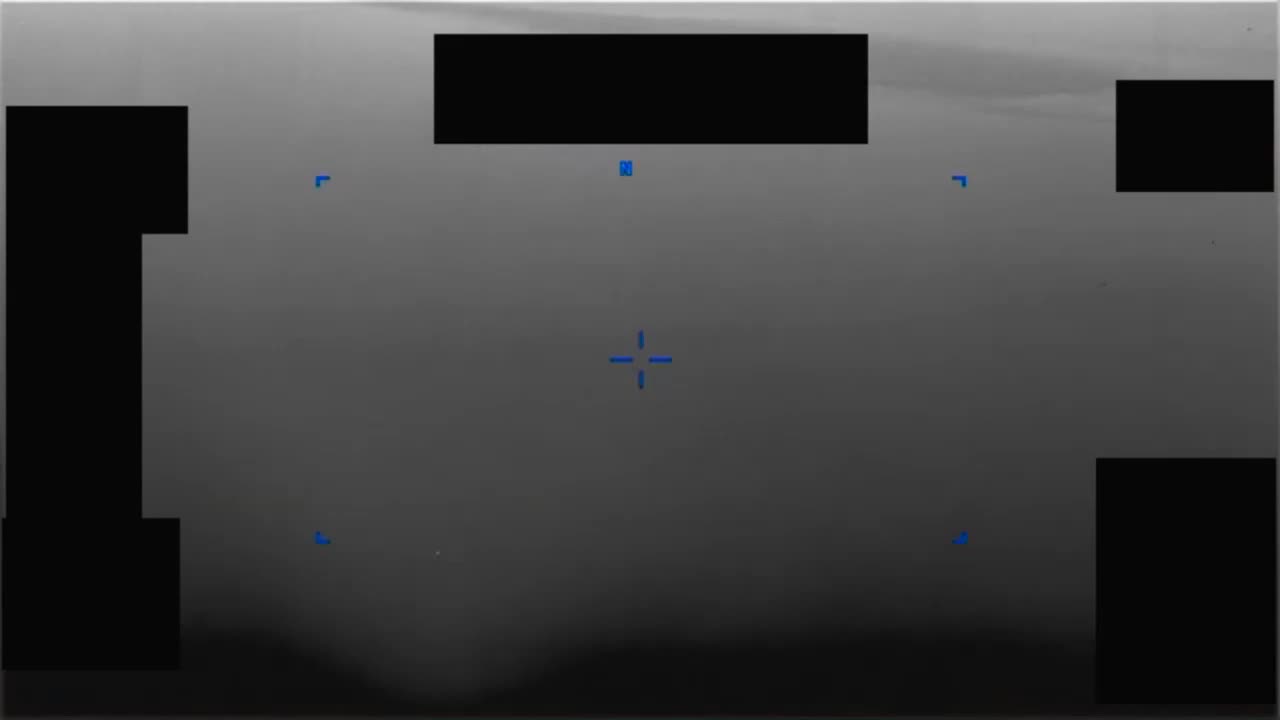
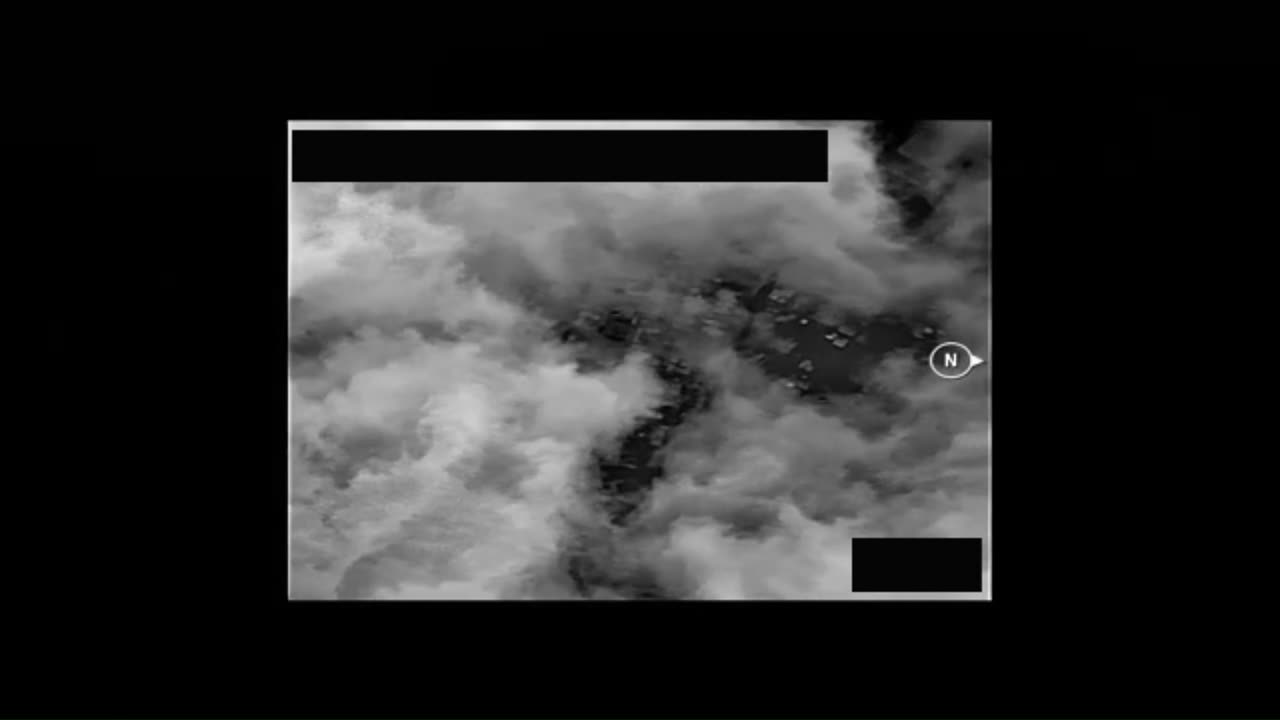
The document describes multiple sensor detections from naval and airborne platforms operating under INDOPACOM command during 2024. Radar, electro-optical, and infrared systems all recorded objects. The objects exhibited flight characteristics not matched to known aircraft or environmental phenomena. The report does not specify the exact number of incidents. It characterizes them only as unresolved after standard classification and analysis procedures. The sensor data includes track files and imagery, but the report withholds detailed technical specifications of the platforms involved.
What is striking is the framing. The title — “Unresolved UAP Report INDOPACOM 2024” — signals a category, not a conclusion. These are not confirmed threats. They are not dismissed as sensor glitches. They are unresolved. That is a deliberate bureaucratic designation, carved out by AARO under the PURSUE policy. The encounters occurred over several months, spread across a region of strategic importance for U.S. military operations. The filename indicates the incidents were recorded by assets under INDOPACOM command. That matters. INDOPACOM is a theater where peer competitors operate advanced electronic warfare and drone swarms. The report does not rule out those explanations. It simply states that the objects could not be immediately matched.
The declassification itself is the real story. The PURSUE policy was designed to force transparency into a system that historically buried such reports. PR48 is the first visible output. It suggests the Department of War is willing to release unresolved cases even when they lack tidy explanations. That is a shift. Previous administrations released UAP reports only under congressional pressure or after leaks. This one came out under a standing policy. The report does not name a single official. It does not offer a quote. It is a dry, technical document. That is the point. The machinery is working.
Where this leads is uncertain. AARO now has a template for future declassifications. The INDOPACOM report sets a precedent: unresolved does not mean classified. Other combatant commands will likely face similar releases. The policy mandates standardized reporting across the Department of War. That means more documents like PR48 are inevitable. The content may remain inconclusive, but the volume will increase. The public will see track files and imagery without resolution. That will generate pressure for answers. Congress has already shown interest. The report does not mention any investigation into the objects’ origins. It does not mention foreign attribution. It simply records what the sensors saw and stops.
The strategic implications are harder to ignore. INDOPACOM is the theater where the U.S. Navy and Air Force operate alongside allies in contested airspace. Unresolved UAP encounters there complicate threat assessment. If the objects are not known aircraft and not environmental phenomena, they occupy a gap in military intelligence. The report does not suggest they are hostile. It does not suggest they are benign. It leaves the question open. That is uncomfortable for a command that must allocate resources against real threats. The PURSUE policy ensures the gap is documented. It does not close it.