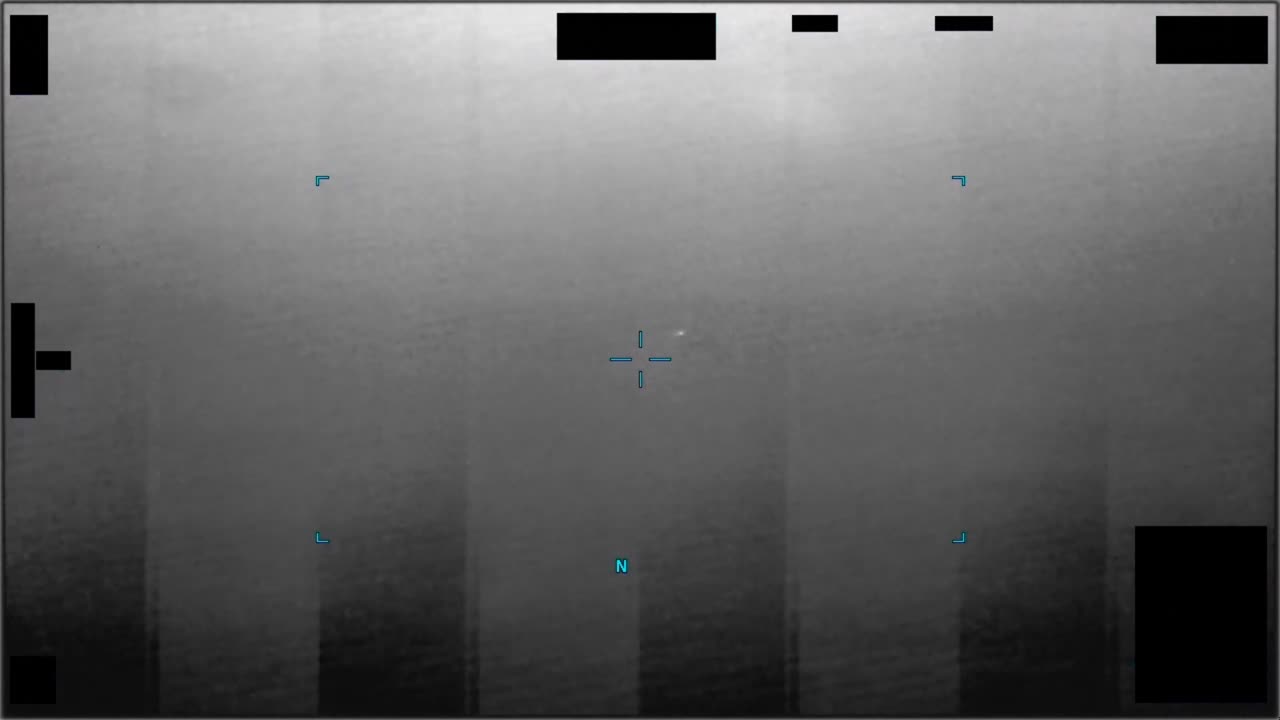
The Department of War’s declassification of an unresolved UAP report from a 2026 Army operation is not a standalone disclosure. It lands inside a broader push under the PURSUE policy, a framework established in 2024 that mandates review and release of UAP-related records unless national security exemptions apply. That policy, managed by the All-domain Anomaly Resolution Office inside the Office of the Secretary of Defense, has made this report public. But the document itself carries a specific weight. It is labeled unresolved. No conventional explanation was found.
What the report contains is technical but spare. Multiple sensors—radar, electro-optical, infrared—tracked the object. Its flight characteristics did not match known aircraft or atmospheric phenomena. Acceleration exceeded known capabilities. No visible propulsion system was present. The data collected included sensor cross-sections and estimated velocities. The report does not name the platform, the location, the duration of the encounter, or the number of personnel involved. It does not attribute the object to a foreign adversary or a natural phenomenon. What is left is a gap.
That gap is what AARO now must manage. The PURSUE policy prioritizes release of reports from military branches to inform public understanding. But the same policy allows exemptions for national security reasons. Where the line gets drawn is the central tension. This report crossed it. Others may not. The filename itself—unresolved—is a category that signals no further explanation is coming from this document. The question is whether that is because the data is genuinely anomalous or because classification boundaries stopped the analysis short. The report does not say.
The Department of War has framed this as a commitment to transparency. That commitment is being tested by the volume and nature of these incidents. A single unresolved report from 2026, released in 2028, tells the public something happened but not what it was. That is the pattern. AARO processes reports. Some get released. Many do not. The unresolved label is not a conclusion. It is a placeholder.
For the military branches, the consequences are procedural. Army operations now include sensor data that cannot be explained. That data has to be logged, reviewed, and potentially forwarded to AARO. The report does not specify whether the 2026 incident triggered any changes in tactics, training, or equipment. But the existence of the report means the data was preserved and processed. That alone is a shift from past decades, when such encounters might have been filed without a formal declassification path.
For the public, the takeaway is narrower. One incident. One report. No resolution. The PURSUE policy guarantees a process, not answers. The next report could be resolved. It could be classified entirely. It could be another unresolved file with the same sparse details. What to watch is not the content of any single document but the pattern of releases over time. Whether the frequency increases. Whether the technical detail deepens. Whether any report ever shifts from unresolved to explained.
That is the fallout. A policy exists. A report is out. The anomaly remains.