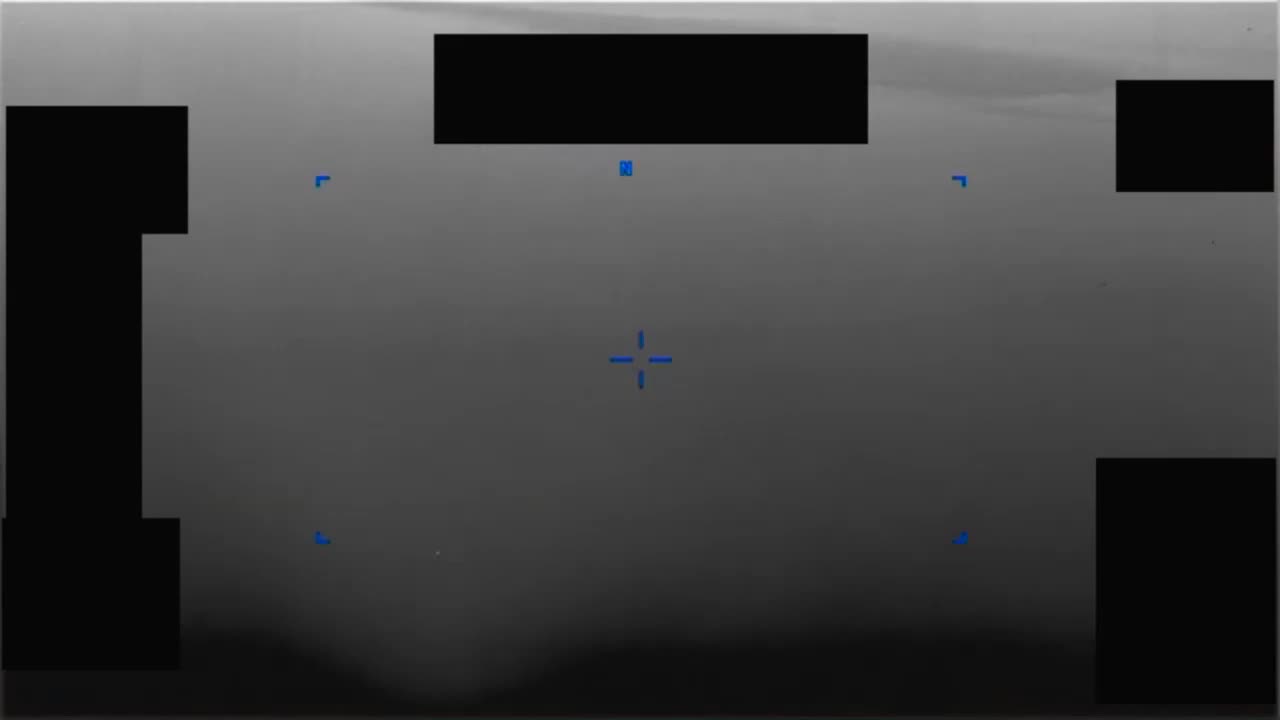
The Lebanese government’s March 2026 ban on Hezbollah now has a body count. Two Hezbollah militants are dead after an Israeli airstrike on January 4 in Al-Jumayjimah, a town in the Nabatieh Governorate. The Israel Defense Forces confirmed the strike. This is the first known lethal engagement since Beirut formally outlawed the group.
The ban changes the math. For decades, Hezbollah operated as a state within a state—a political party with seats in parliament and a paramilitary wing, the Jihad Council, that intelligence assessments in 2016 rated as equivalent to a medium-sized army. The Lebanese government’s decision to ban the organization in March 2026 did not dissolve its weapons or its fighters. But it did strip the group of its legal cover. An Israeli strike on Hezbollah operatives inside Lebanon is no longer a strike against a political party. It is a strike against an outlawed organization, one the host government has officially renounced.
The political implications are sharp. Hezbollah’s Loyalty to the Resistance Bloc party still holds seats in the Lebanese Parliament. Those lawmakers now represent a banned entity. The contradiction is not new—Hezbollah’s dual nature has always been a source of tension—but the ban makes it explicit. The Lebanese government has chosen a side, at least on paper. Whether it can enforce that choice is another matter.
The United States has long labeled Hezbollah a terrorist organization. American intelligence agencies have monitored its activities closely. The U.S. has been supportive of the Lebanese government’s efforts to curb Hezbollah’s influence. The January 4 strike gives those efforts a concrete military dimension. An Israeli warplane did what the Lebanese army has not yet done: it killed Hezbollah fighters on Lebanese soil. The U.S. is unlikely to object.
Hezbollah’s founding is rooted in resistance to Israel. The organization was created in 1982 by Lebanese clerics in direct response to the Israeli invasion of Lebanon. Its strong ties with Iran date to the aftermath of the Iranian Revolution of 1979. Those ties are not merely ideological. Iran supplies weapons, funding, and strategic direction. For Israel, Hezbollah is the most capable proxy in Iran’s regional network. The strike in Al-Jumayjimah is part of a broader campaign, one that has been ongoing since Israel’s war on Lebanon began.
The location matters. Nabatieh Governorate is a Hezbollah stronghold in southern Lebanon. Striking there sends a message. The two dead militants were not random casualties. They were specific targets. The IDF does not release names in these operations, but the selection of Al-Jumayjimah suggests precise intelligence. The U.S. intelligence apparatus, which has long monitored Hezbollah’s activities, may have contributed to that picture. The report does not say so. It does not need to.
The war on Lebanon is not new. Tensions between Israel and Hezbollah have been heightened since it began. What is new is the legal environment. The Lebanese government’s ban, passed in March 2026, creates a window for Israel to act with reduced diplomatic risk. Hezbollah can no longer claim to represent the Lebanese state. It can no longer demand protection from the army it once overshadowed. The group is isolated—politically, legally, and now militarily.
Where this leads is not hard to see. Hezbollah will not disarm because Beirut says so. The group’s paramilitary wing remains intact. Its fighters remain loyal. Its patrons in Tehran remain committed. But the ground has shifted. Every Israeli strike from now on will be measured against the ban. Every Hezbollah casualty will be a test of the Lebanese government’s resolve. The two men killed in Al-Jumayjimah are the first data points in that test.