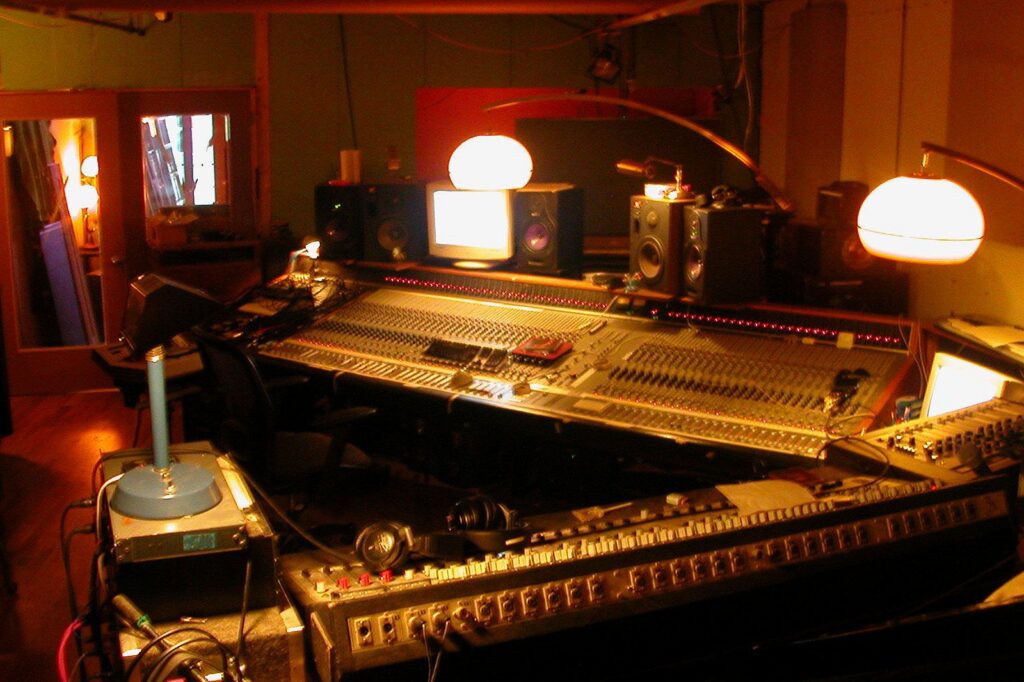
MONTREAL, November 10, 2026 — The federal government has confirmed a $67 million injection into the Canada Music Fund for the 2026-27 fiscal year, part of a broader $600 million cultural sector package tabled in last week’s budget. Minister of Canadian Identity and Culture Marc Miller detailed the allocation at the ADISQ Gala in Montreal on November 8, directing the funds through five intermediary organizations to shore up independent production, French-language content, and Indigenous artist development.
The Calculus of Distribution
The funding flows through the established architecture of the Canada Music Fund, renewed through 2028. FACTOR, the Foundation Assisting Canadian Talent on Recordings, commands the largest share at $31.5 million. Quebec’s Musicaction follows with $21 million. The Canadian Starmaker Fund receives $5.7 million, the Fonds RadioStar $3.8 million, and the Indigenous Music Office $5 million, according to the departmental breakdown.
Of the total envelope, $24.8 million is specifically earmarked for French-language music and productions. That targeted allocation reflects the structural reality of the Quebec market, where ADISQ, the nonprofit supporting the province’s independent industry, has argued that discoverability remains the central challenge. “In a context where our music is struggling to reach its audience, this support comes at an important time,” ADISQ General Director Eve Paré said at the gala. She noted the funds help companies produce music, develop artists’ careers, and promote them domestically and internationally.
Indigenous Discoverability and the Streaming Gap
The Indigenous Music Office’s $5 million allotment arrives on the heels of a national report released in November 2025. That document outlined strategies to connect Indigenous artists with larger audiences, specifically citing increased discoverability on streaming platforms as a primary lever. The investment signals federal recognition that the platform economy has rewritten the economics of exposure, and that targeted intervention is required to ensure Indigenous repertoire clears algorithmic hurdles.

Relief Amid a Structural Revenue Shift
The $600 million package was first promised in June to provide “immediate relief” to the audio and audiovisual sectors. The Department of Canadian Heritage has been explicit about the driver: changing viewing and listening habits have eroded the traditional broadcaster contributions that historically underwrote CanCon. Cable and satellite revenues are declining, and the CRTC’s recent withdrawal of its streaming tax — a mechanism that would have compelled foreign platforms to contribute 15 percent of Canadian revenue to domestic content — means taxpayers are now backfilling contributions the regulator walked back under pressure of a potential trade irritant with the U.S.
Industry groups have welcomed the liquidity while framing it as a bridge, not a solution. The Canadian Independent Music Association called the funding an “important step toward strengthening the industrial ecosystem.” The Canadian Live Music Association said it was “thrilled to see government recognize the value that music brings to Canada, its businesses, and its communities.” But ADISQ and others are clear-eyed about the broader stakes: they are awaiting a CRTC decision on promoting Canadian music in digital services, insisting that large platforms benefiting from the Canadian market must contribute equitably to financing and promotion.
A Sixth-Largest Industry on a Bridge Budget
Canada’s music market ranks sixth globally, a position sustained by a deliberate policy framework that treats cultural sovereignty as a strategic asset. FACTOR President and CEO Meg Symsyk framed it directly: “Canada’s cultural sovereignty depends on our willingness to invest in our own voices.” The $67 million keeps the independent studio network and artist development pipeline operational while Ottawa works toward a long-term streaming-funding policy. Heritage has indicated it plans annual boosts of this nature until that policy lands. The CRTC’s next directions on digital promotion will determine whether the bridge reaches solid ground.
Sources
- Canada Music Fund to Receive $67 Million Boost as Part of $600 Million CanCon Investment in 2026 Federal Budget
- Music of Canada
- Canada Music Fund Receives Another $67M From Government
- Canada Music Fund Gets $67 Million in Federal Funding
- Canada unveils $600M funding boost for film, TV, music and local media – Philippine Canadian Inquirer Nationwide Filipino Newspaper
- Ottawa reveals details on long-promised $600-million for screen and music sectors
Photo: aka Tman from Guelph………Ontario, CANADA (CC BY 2.0)