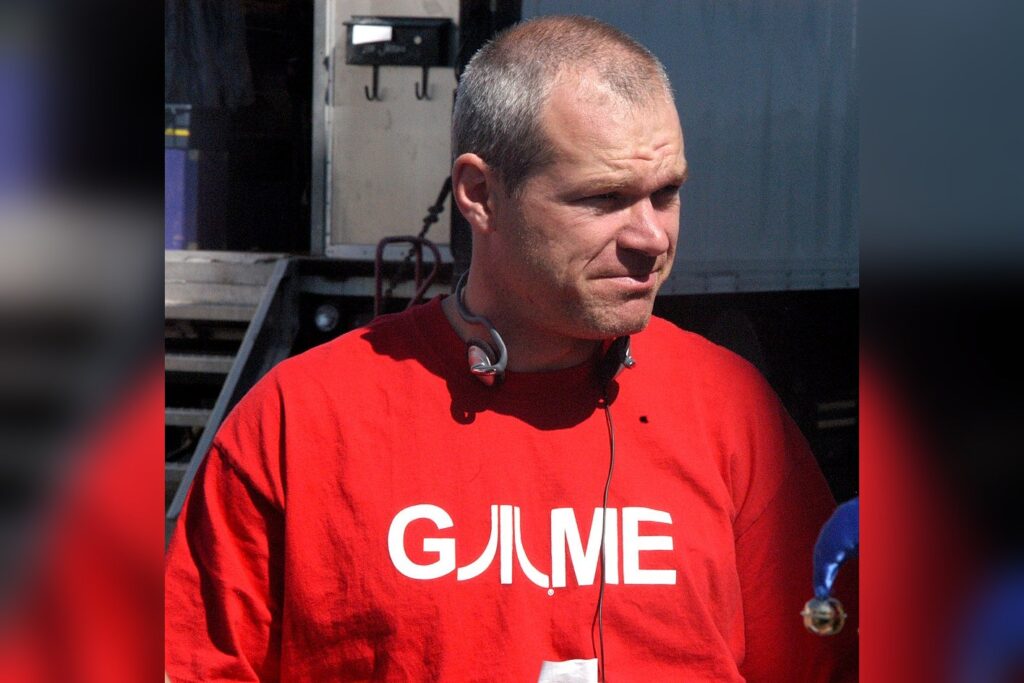
LONDON, June 26 — The shift is unmistakable. An independent film, panned by critics and banned in Germany, has become a global flashpoint after Elon Musk distributed it on X. Citizen Vigilante, directed by Uwe Boll and starring Armie Hammer, is now at the center of a free-speech firestorm that separates Hollywood from the right-wing commentators who have embraced it. The film follows Michael Sanders, played by Hammer, as a man who takes the law into his own hands against criminals and the officials he believes are protecting them.
Critics described the film’s antagonists as drawn largely from Muslim migrant communities. Reviewers gave it overwhelmingly negative notices, criticizing its plot, execution and message.
Several prominent right-wing commentators, however, praised it. Germany banned the film outright. Then, on June 25, 2026, Elon Musk distributed Citizen Vigilante on X, drawing millions of views.
That act turned a little-seen indie project into an international flashpoint overnight. What’s changing here is the distribution pathway.
A film that traditional gatekeepers rejected and regulators banned now reaches a global audience through a single platform owner’s decision. Musk’s distribution on X bypassed theaters, streaming services, and national censorship boards entirely. The trend underneath is about who controls the pipeline between a filmmaker and the public.
Uwe Boll is no stranger to controversy. The German director has built a career on provocative, low-budget genre films that critics routinely savage. Armie Hammer’s involvement adds another layer of cultural friction.
The film’s antagonists, as described by critics, are drawn from Muslim migrant communities. That framing explains both the German ban and the praise from right-wing commentators.
Germany’s strict hate-speech laws make such depictions legally actionable. Right-wing audiences, by contrast, see the film as a validation of their concerns about crime and immigration. Watch this space.
The Citizen Vigilante case tests whether a platform owner’s distribution choice can override national censorship regimes. If millions of views on X translate into cultural impact, the model for controversial content has fundamentally shifted.
The old system of theatrical releases, critical consensus, and regulatory bans may no longer be the final word. For now, the film exists in two parallel realities: critically dead on arrival, politically alive and spreading. That gap is the story.