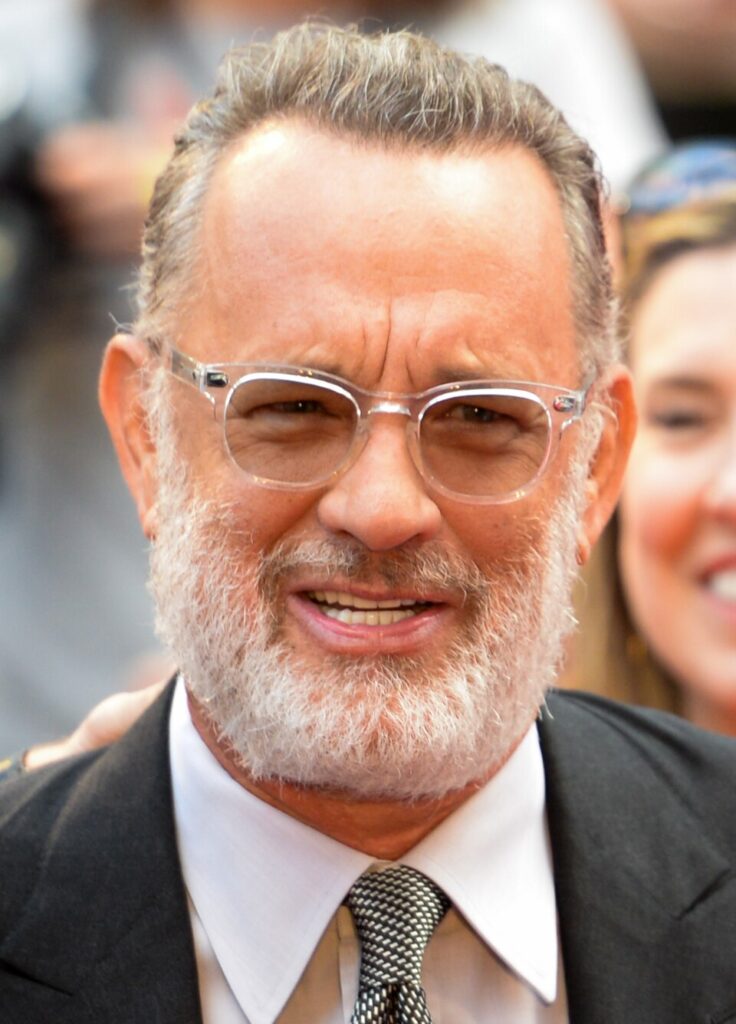
LOS ANGELES — Two decades after “Cast Away” hit theaters, Tom Hanks still walks out of the room when a certain scene plays. The actor admitted he cannot bear to watch a pivotal moment from the 2000 film directed by Robert Zemeckis. He leaves.
That is the whole of it — he physically removes himself. The film earned an Oscar nomination.
Hanks’ performance as a FedEx executive stranded on a deserted island after a plane crash drew critical praise. But something in that performance, something he created, now chases him out of the room. Fans have taken to social media since the news broke.
They are speculating. They are debating.
The scene in question is likely an intense or emotional one, given Hanks’ reaction. But nobody outside Hanks and Zemeckis knows for certain which moment breaks him. The report does not name it.
The report does not quote Hanks describing it. He simply cannot watch. This matters because “Cast Away” is not a minor film.
It is a classic. Hanks carried nearly the entire movie alone on screen.
For long stretches, his only scene partner was a volleyball named Wilson. The emotional weight of the film rests on his solitary shoulders. That a man who has acted in dozens of films, who has won Oscars, who has played war heroes and astronauts and a toy cowboy, still cannot face one scene from his own work — that tells you something about what the movie demanded of him.
The news arrived June 18 from Los Angeles. By nightfall, it had spread.
Fans expressed surprise and curiosity. The revelation has sparked a new wave of interest in the film. People are revisiting it.
They are asking each other: Which scene? The plane crash? The moment Wilson floats away?
The final confrontation at the crossroads? Hanks has never been shy about the toll certain roles took.
He has spoken before about the difficulty of making “Cast Away.” He lost weight. He grew a beard. He spent weeks shooting alone on a beach in Fiji.
But this admission is different. This is not about the hardship of production.
This is about the finished product. This is about watching himself — and refusing. The film’s director, Robert Zemeckis, is a well-known figure.
He also directed “Forrest Gump,” “Back to the Future,” and “Who Framed Roger Rabbit.” He has a reputation for technical precision and emotional storytelling. “Cast Away” combined both. The plane crash sequence alone was a feat of engineering and performance.
But Hanks’ admission shifts the conversation away from craft. It moves it toward something more personal, more raw.
The wider discussion now touches on the art of filmmaking and the emotional impact movies have on their audiences. But also on their creators. Actors are not machines.
They carry the work home. Sometimes they carry it for decades.
Hanks reportedly leaves the room when the scene plays. Even now. Even years after the film’s release.
That is a long time to hold a wound.