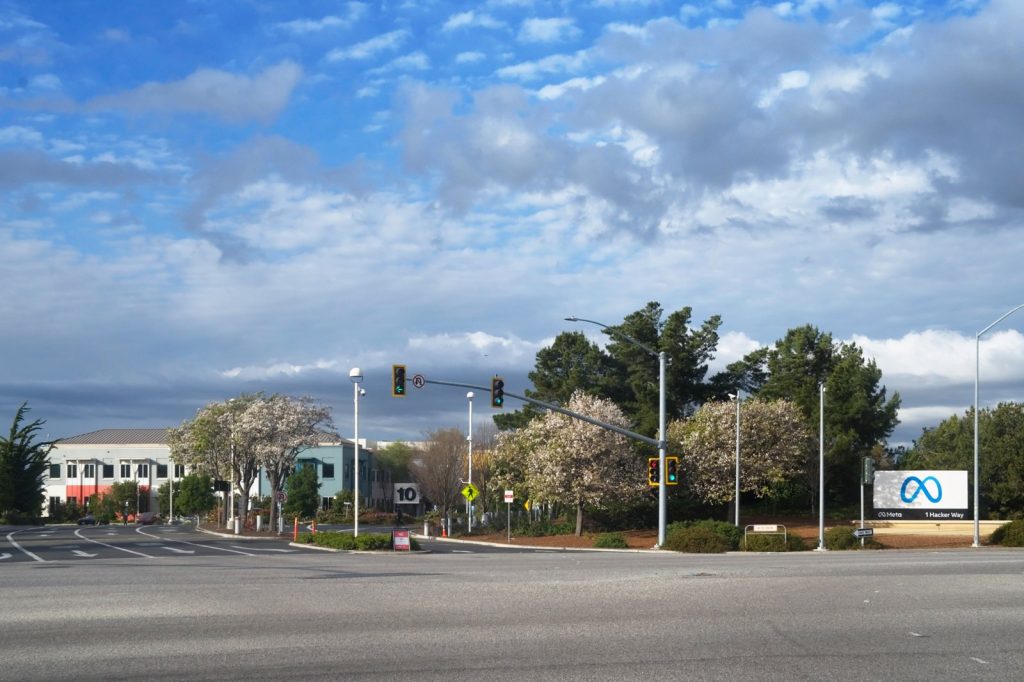
Facebook confirmed on Monday that it treats the Taliban as a terrorist group and bans both the group and any content that supports it. The company’s decision lands as the Taliban’s rapid takeover of Afghanistan forces big U.S. tech firms to decide how to handle a group some governments label terrorist, Reuters reported.
The ban has gaps. Taliban members have reportedly kept using WhatsApp, Facebook’s end-to-end encrypted messaging service, to reach people in Afghanistan directly, even though company rules against dangerous organizations forbid it. A Facebook spokesperson said the company was closely monitoring the situation. WhatsApp would act on any account linked to sanctioned organizations in Afghanistan, the spokesperson said, and that could mean removing it.
Twitter and YouTube
On Twitter, Taliban spokesmen with hundreds of thousands of followers have posted updates throughout the takeover. Asked about it, Twitter pointed to its policies on violent organizations and hateful conduct. It did not answer Reuters’ questions about how it makes its classifications. Its rules bar groups that promote terrorism or violence against civilians.
The Taliban’s return has raised fears of a crackdown on free speech and human rights, women’s rights above all, and of Afghanistan becoming a haven for global terrorism again. Taliban officials have put out statements saying they want peaceful international relations and promising to protect Afghans.
A year of hard calls
This is not the first time in 2021 that major platforms have had to rule on people in power. They blocked former U.S. President Donald Trump for inciting violence around the January 6 Capitol riot. They also banned Myanmar’s military during its coup.
Facebook had long been criticized for failing to combat hate speech in Myanmar. It said the coup raised the risk of offline harm, and that its record of human rights violations by the ruling military, the Tatmadaw, contributed to the ban.
The companies face fire from lawmakers and regulators worldwide over their outsized political and economic influence. To decide who gets on their sites, they often rely on state designations or official international recognition. Those same signals help determine who gets verified or an official state account, and who might get special treatment when breaking rules because of newsworthiness or public interest loopholes.