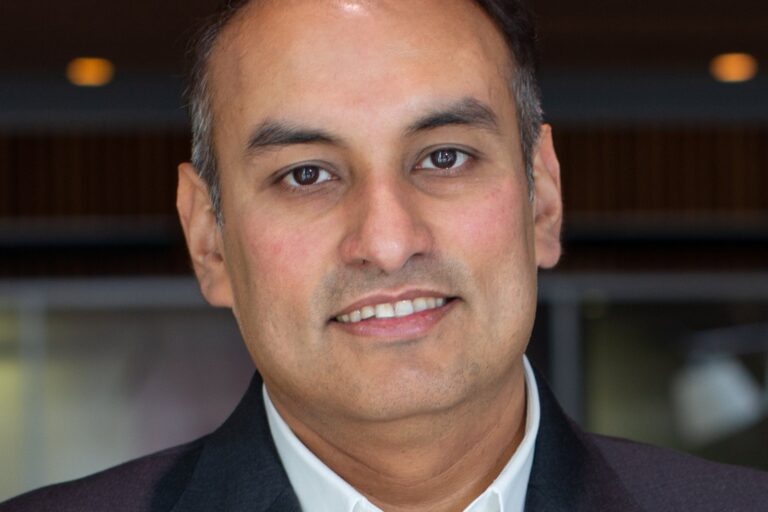
“As at the end of last year, 60 per cent of the government’s total collection was through e-payment,” Finance Minister Tengku Zafrul Abdul Aziz said as he opened the Malaysian Institute of Accountants (MIA) Conference 2021. His next point was a deadline: by 2022, every payment for a government service will be cashless.
The Finance Ministry will carry the plan out under MyDigital, the recently launched blueprint for the country’s digital economy, which lays out how Malaysia moves toward a more connected economy on the Industrial Revolution 4.0 path. Zafrul said going cashless should make transactions more secure and improve coordination. It should also strengthen communication on anti-corruption work and make sharing information easier.
Fewer contact points
The government has been pushing digitalisation on several fronts, he said, from modernising public services to curbing corruption. Less direct contact between citizens and officials leaves less room for graft. Zafrul added that the government has worked steadily toward good governance, more efficient service delivery and an end to leakages and fraud.
He pointed to the switch to electronic identification cards and biometric proof of identity for citizens. Direct aid has gone mostly cashless too. Applications and payments for Bantuan Prihatin Rakyat and Geran Khas Prihatin were handled electronically and online.
Accountants and the tax base
Zafrul described accountants as influential voices in informed decision-making, with a key part to play in digitalisation. MIA, he said, has kept promoting digital leadership and transformation through its MIA Digital Technology blueprint.
He also welcomed the institute’s advocacy on tax governance, which focuses on non-compliance and systemic inefficiencies. Widening the tax base, including taxing the shadow economy, and improving compliance and administration would lift collection, he said. That matters because the money is “critical to enable the government to deliver more assistance during times of crisis,” along with national development spending and longer-term reforms.
On sustainability, he said MIA has argued that reporting on the sustainable development goals belongs in corporate reporting. In his view accountants are well placed to put a cost on climate impacts such as carbon and greenhouse gas emissions, to give independent assurance on sustainability processes, and to report the results to decision-makers.
The three-day conference is meant to give accountants skills for the years ahead, with sessions on business continuity, sustainability, climate solutions and digital empowerment.