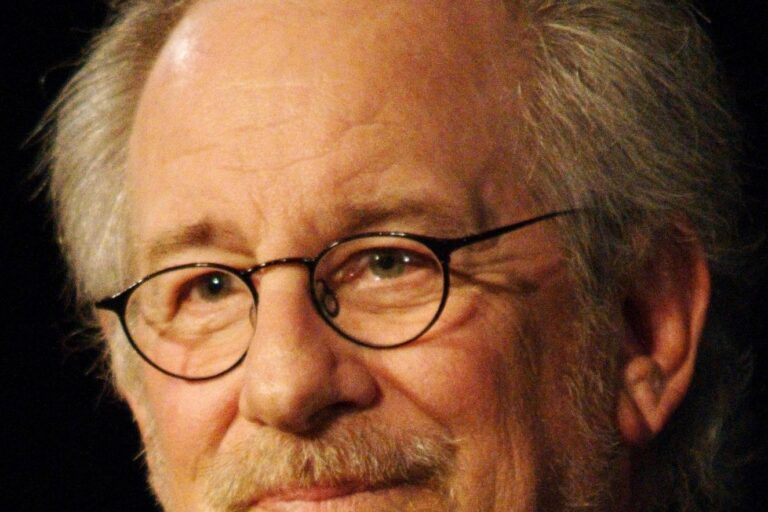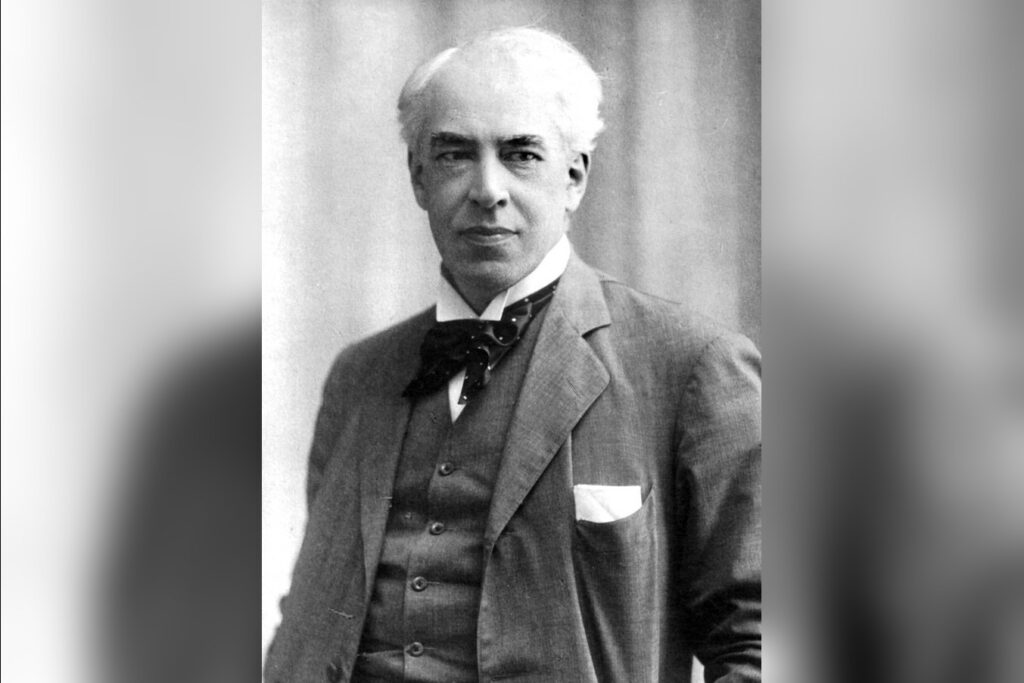
On the night of June 21, 1897, two men sat down in a Moscow restaurant called the Slaviansky Bazaar and talked for eighteen hours. One was Konstantin Stanislavsky, an actor from a rich merchant family. The other was Vladimir Nemirovich-Danchenko, a prize-winning playwright and drama critic. They finished over breakfast at Stanislavsky’s country house, and what they had agreed became the Moscow Art Theater.
A theater against false pathos
Both men were fed up with Russian stages. Scenery and costume were sloppy, companies were undisciplined, and actors leaned on stereotyped intonations and gestures. They wanted a company with no stars, guided by a director, and a theater that would educate actors and audiences alike. The company began rehearsing in June 1898 in a barn at Pushkino, outside Moscow, where its members lived together. On October 14, 1898, Tsar Fyodor Ivanovitch opened, and audiences were astonished at its authentic look and its plain, true-to-life acting.
Not everything worked. The other plays of that first season, among them The Merchant of Venice and Twelfth Night, failed with critics and with the box office. The theater was in financial trouble when it staged Anton Chekhov’s The Seagull on December 29, 1898. Chekhov had sworn off playwriting after an earlier production flopped in St. Petersburg. The play has no hero and no straight plot, and it relies on subtext. The Moscow company, trained in realism, pulled it off, and the audience was celebrating before the curtain came down. The theater put a seagull on its logo.
The system
Over the following decades Stanislavsky turned his attention to the actor’s craft. His aim, according to EBSCO’s research summary, was to give performers conscious ways to reach the creative unconscious. Doing a physical action truthfully became a route to the psychological truth of a moment. Terms such as subtext, given circumstances and “the magic if” entered the language of actor training. He set out his thinking in books including An Actor Prepares, Building a Character and Creating a Role.
Emily Couch of The Moscow Times, writing in 2019, summed up the core as using emotional memory and inhabiting a role’s psychology to build a believable character. Teachers she met in Moscow warned against treating it as a rulebook. Pasha Savchuk of GITIS said the books read more like reflective autobiography in which Stanislavsky kept rethinking his own methods. Many followers, he said, picked and chose which parts to teach.
Crossing the Atlantic
In 1923 the Moscow Art Theater toured the United States. In the audience was Lee Strasberg, who drew heavily on Stanislavsky to develop what became known as method acting. Al Pacino, Marlon Brando and Marilyn Monroe numbered among his disciples, The Moscow Times noted.
The training itself is physical and tiring. At GITIS, first-year students spend the whole year on the étude, an improvisation that runs from thirty seconds to five minutes, before they are allowed near a script. “We give everything,” one 20-year-old student told the paper, “but that is what we have to do or there’s no point in being here.”
Sources
- Moscow Art Theater | History | Research Starters | EBSCOhost
- Stanislavsky's Method Lives On – The Moscow Times