At the Starmall Alabang terminal, travelers headed for Bicol and Quezon stood in a parking lot that is normally full of buses around the clock. They waited to see whether a single bus would pull in. This was the night Luzon went into lockdown, Tuesday, March 17, 2020, and for many Filipino families the first sign of it was an empty road.
President Rodrigo Duterte had announced “enhanced community quarantine” for all of Luzon the day before, on Monday, March 16. It would run until April 13. “I can’t go into a guessing game. I have to act,” he said. Luzon is a third of the country, and the Straits Times counted over 55 million people living there, while Rappler put it at over 57 million. Either way, tens of millions of people were told to stay in, and to step out only for groceries, medicine and other essentials.
Why the capital’s lockdown gave way
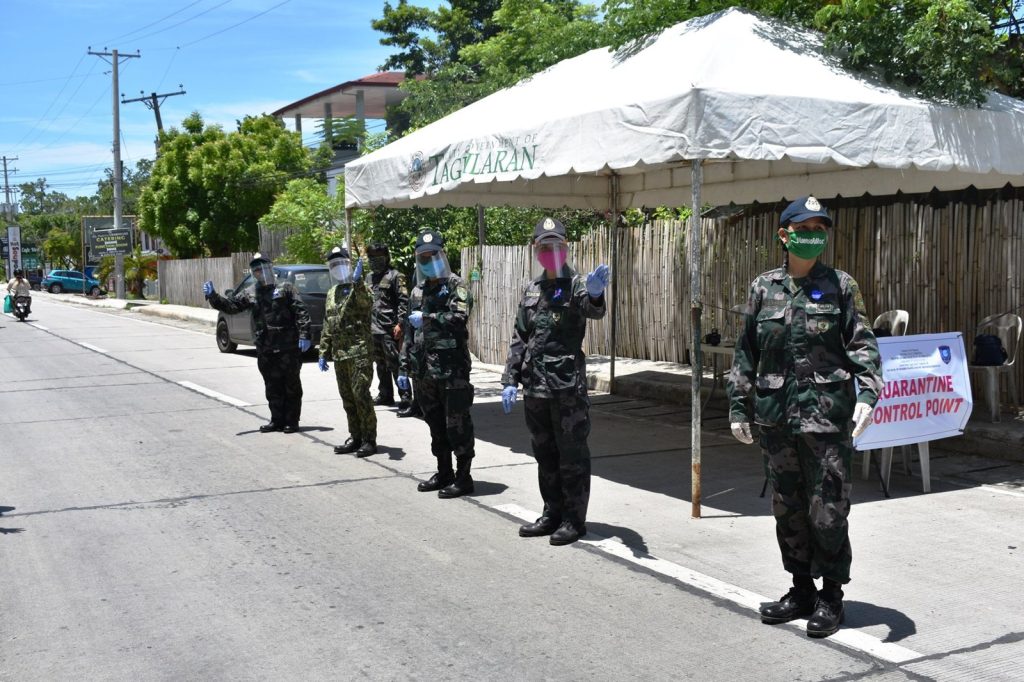
Metro Manila had already gone under a month-long lockdown on Sunday, March 15. By Monday morning it was failing. Checkpoints lacked staff and thermal scanners and were overwhelmed. Commuters, pedestrians and motorists squeezed through dozens of them. Traffic backed up for several kilometres where bus passengers were made to get off so officers could take temperatures and check IDs. At a checkpoint on Zapote Road in Las Pinas, officers stopped checking altogether once the battery on their thermal scanner died.
Presidential spokesman Salvador Panelo did not hide it. “Today, three million entered Metro Manila. We had a problem,” he told reporters. Metro Manila has nearly 13 million residents, and that number grows by three million each day as people from the suburbs come in to work.
Stranded between jobs and home
Under the new order, nothing that moved the public ran: buses, jeepneys and trains were all stopped. Cargo kept moving. Most businesses had to scale down, with exceptions for banks, remittance services, utilities, telecoms, and outsourcing and export firms. Markets, groceries, pharmacies and clinics stayed open, restaurants went to takeout and delivery only, and most malls closed, apart from their supermarkets and pharmacies.
The effect on ordinary workers was immediate. Along Edsa, tens of thousands of people stood at the roadside on Monday, with so few buses running that it looked like a transport strike. The MRT stations used guards to space out queues, but the trains were still packed. Late that night at the Batasan-San Mateo Road border between Quezon City and San Mateo, vehicles sat at a standstill while checkpoint workers took the temperature of each passenger and pedestrian. Araneta City Cubao was almost empty.
Duterte asked companies to consider releasing the 13th month pay early to help employees get by, and urged landlords to hold off on collecting rent.
The reason for the haste was the count. Cases had gone from three to 142 in ten days, with 12 deaths, according to the Straits Times.
Sources
- Coronavirus: Duterte places a third of the Philippines on sweeping lockdown (The Straits Times)
- LOOK: Scenes across Metro Manila as Luzon lockdown begins (Rappler)
Sources
- Philippines lifts deadline for foreigners to leave amid coronavirus…
- COVID-19: Latest Philippine news updates about the novel …