
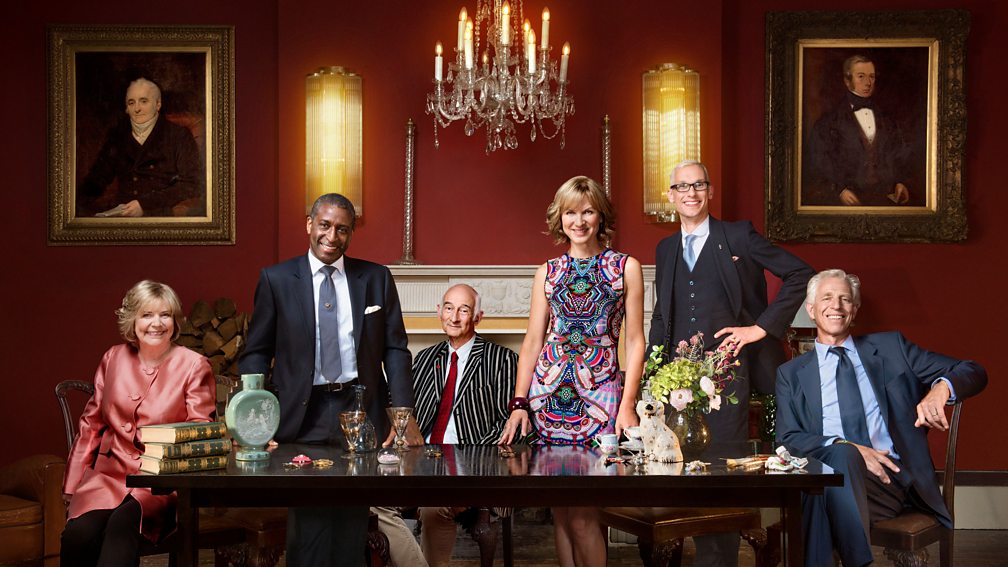
LONDON, July 14 — Against this backdrop of a television landscape that often chases the fleeting and the loud, the BBC’s Antiques Roadshow continues its quiet, steady march through British cultural life, a program that has now been on the air for more than four decades. The series, first broadcast in 1979, remains a fixture of television schedules. Its formula is deceptively simple: members of the public bring in heirlooms, curiosities, and attic discoveries for appraisal by a panel of experts.
The result, across more than 40 series, has been a blend of historical education and the gentle drama of valuation, with some items appraised at sums exceeding £100,000.
A European Perspective on a British Institution
For a continental observer, the show’s longevity is telling. It reflects a distinctly British relationship with the past — a reverence for the domestic object, for the story embedded in a piece of porcelain or a Georgian silver teapot. Where other nations might build museums, the Roadshow brings the museum to the village hall, the stately home, the cathedral close.
It is an exercise in democratic history, where a family’s inherited oddity can, in a moment, be revealed as a national treasure. One of the figures in the corridors of this long-running production is Theo Burrell, who joined the show as an expert in 2017.
Her specialism is ceramics and glassware, a field that demands a precise eye for provenance, condition, and the shifting tides of collector fashion. She became one of several regular faces on the program, part of the rotating cast of specialists who travel the country.
What Is at Stake
The wider picture for Antiques Roadshow is one of remarkable stability. The format has proven so durable that it has been adapted in several countries, most notably in the United States, where the PBS version began its own run in 1997. The American edition, like its British progenitor, relies on the same core tension: the moment of revelation, the sharp intake of breath when a modest-looking object is assigned a staggering figure.
What is at stake for the show, however, is not merely a monetary sum. In an era of streaming and short attention spans, a program that asks viewers to sit and listen to a discussion about 18th-century porcelain marks or the hallmarks on a silver tankard is, in its own way, an act of defiance.
It assumes an audience with patience, with curiosity, and with a sense that the past is worth understanding on its own terms. The show has become a staple of British television, a quiet institution that has outlasted governments, cultural upheavals, and the rise of digital media. For now, the experts continue their rounds, the public continues to bring in their treasures, and the cameras continue to roll.
The next valuation, the next revelation, is always just one episode away.




