
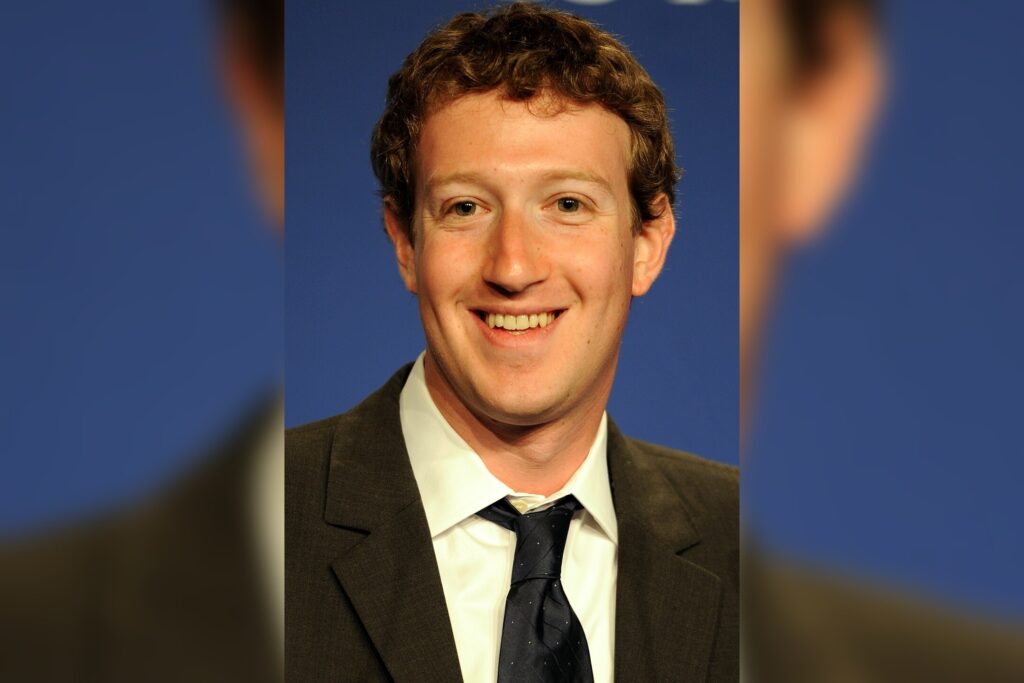
MANILA, July 6 — For communities across Asia, the name Mark Zuckerberg is practically synonymous with how we connect, share, and do business online. The man who built the social media giant Facebook has shaped the digital lives of families from Manila to Jakarta, and his journey from a Harvard dorm room to the helm of a global tech empire is a story that continues to unfold. Zuckerberg co-founded Facebook in February 2004 while still a student at Harvard University.
It began as a project called “TheFacebook,” limited to fellow Ivy League students. But the idea was too big to stay small.
By 2006, the platform opened its doors to anyone over the age of 13 with an email address. That was the moment Facebook truly began its march across the globe, reaching households here in the Philippines and beyond. The company went public in May 2012, a milestone valued at $104 billion.
For ordinary people, this was more than just Wall Street news. It meant that the platform where we shared photos of family gatherings and kept in touch with relatives abroad had become a central part of the global economy.
It also gave Zuckerberg the resources to expand his vision.
Building a family of apps
One of the most significant moves for communities in our region came later that same year. In 2012, Facebook acquired Instagram for $1 billion. For many young Filipinos and Indonesians, Instagram quickly became the go-to space for sharing visual stories, from food photos to small business product shots.
Then, in 2014, Zuckerberg made another huge bet, buying WhatsApp for $19 billion. For families across Asia, WhatsApp became the primary way to chat with loved ones working overseas, send voice messages, and coordinate daily life.
Today, these apps are all under one roof. In 2021, the company rebranded itself as Meta Platforms. The new name reflects a focus beyond just social media, including virtual reality through its Oculus division.
For the average user, the change hasn’t altered the apps we use every day, but it signals where Zuckerberg is steering the ship next.
Scrutiny closer to home
Zuckerberg’s story is not without its difficult chapters. The issue of data privacy has hit close to home for many users across Asia. In 2018, the Cambridge Analytica scandal revealed that data from up to 87 million users had been improperly accessed.
For families and small business owners who had trusted the platform with their personal information, it was a wake-up call about how our digital lives are handled. Despite these challenges, Zuckerberg remains CEO and chairman of Meta.
As of 2023, he continues to lead the company that owns Facebook, Instagram, WhatsApp, and Oculus. What this means for communities across the region is a future where these tools will only become more integrated into our daily routines, for better or worse.




