On 10 March 2000 the Nasdaq Composite hit an all-time high of 5,048.62. Five years earlier it had stood near 1,000, and in between, anything with “.com” in its name seemed to float upward with it. Then came the fall, and with it job losses that reached far beyond Wall Street.
How the rush started
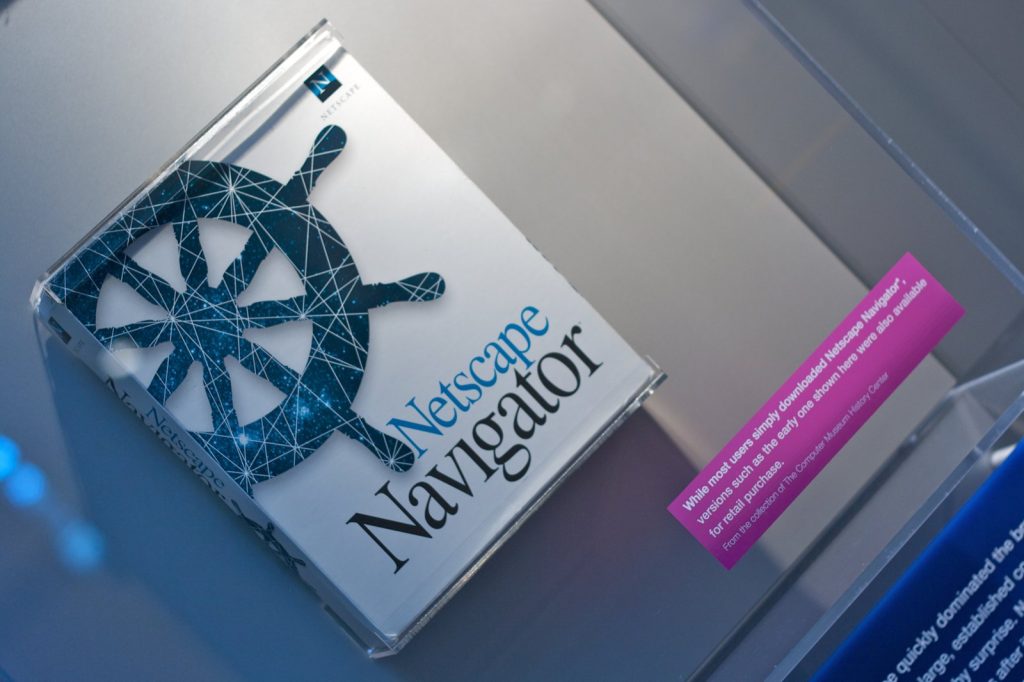
Netscape’s public offering in August 1995 is usually named as the starting gun. The technology behind the excitement was real. The web was reshaping communications, shopping, media and finance. Amazon had been founded in 1994 and started as an online bookstore. Google arrived in 1998 with a search engine meant to make sense of a fast-growing web.
The trouble was the price tags. Between 1998 and 2000, more than 900 technology companies went public, and many had no revenue, let alone profit. Grid Oasis notes that investors were right about the internet’s importance but wrong about what its stocks were worth. Being right on the first count told them nothing about the second.
The fall
From March 2000 to October 2002 the Nasdaq dropped 78%, ending at 1,114. About $5 trillion in market value vanished. The Dow fell 38% and the S&P 500 fell 49% over the same stretch.
Companies went under in public. Pets.com shut down in November 2000, nine months after listing. Webvan went bankrupt in July 2001, having burned through $830 million of investors’ money. Roughly 500 dot-com firms closed in 2000 and 2001 combined. Seventeen dot-coms had paid $2.2 million for each 30 seconds of a Super Bowl ad in January 2000, and most were dead within a year.
What it cost working people
The wider economy took a milder hit than the stock market. The United States entered a recession in March 2001 that lasted eight months, with unemployment rising from 3.9% to 6.3%. The technology sector shed hundreds of thousands of jobs, particularly in Silicon Valley. One account counts more than 200,000 tech workers laid off there alone, and says the layoffs were common enough that people held “pink slip parties.”
For families across Asia who now shop, search and work through the companies that outlived the crash, the story has a second half. Amazon’s stock fell more than 90% from its peak and the company came close to bankruptcy. It cut costs, stayed focused and went on to become the world’s largest retailer. eBay and Google survived too.
The Nasdaq itself did not get back to its March 2000 peak until April 2015.