
SILICON VALLEY, July 6 — Twenty-six years after the dot-com bubble burst, the story of those dizzying years still holds lessons for families and communities across Asia who now live in a world shaped by the internet’s first great boom and bust. The commercialization of the internet sparked a period of wild speculation in online companies from roughly 1995 to 2000. For ordinary people, it was a time when a new website could launch, promise the world, and make early investors rich overnight.
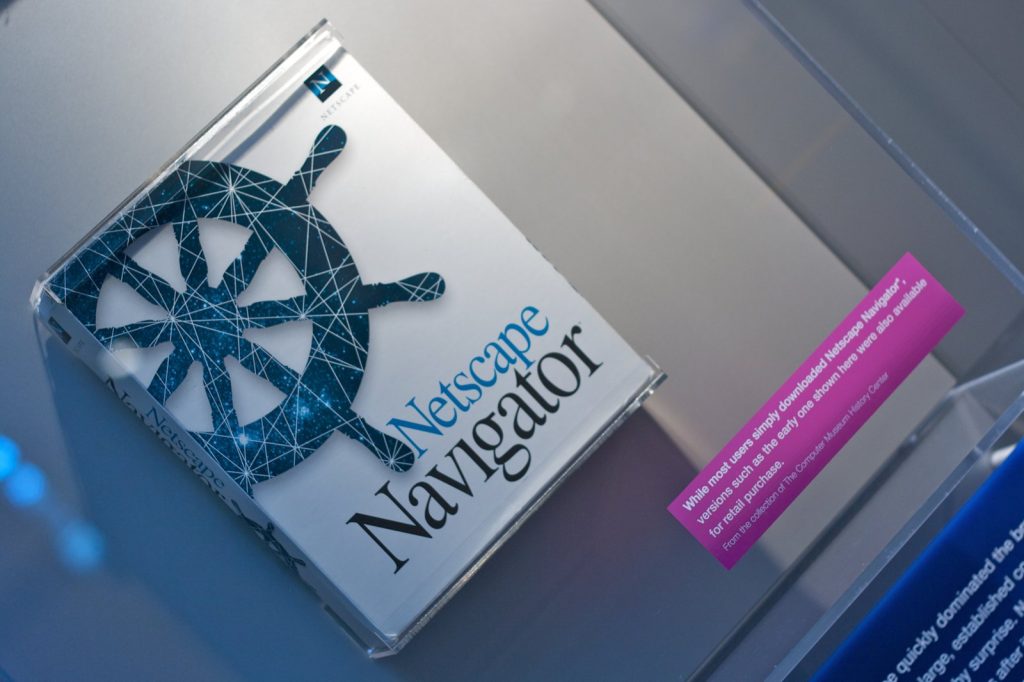
The Netscape IPO on August 9, 1995, was a landmark moment, with shares surging from $28 to $75 on the very first day of trading. That single event sent a signal across global markets.
In the years that followed, the NASDAQ composite index rose from under 1,000 in 1995 to a peak of 5,048.62 on March 10, 2000. For communities in the Philippines and across the region, it was a distant but fascinating spectacle: American tech founders became celebrities, and the promise of a borderless digital economy felt boundless. Closer to home, the founding of companies like Amazon in 1994, eBay in 1995, and Google in 1998 showed what was possible.
These were names that would eventually touch the daily lives of families in Manila, Jakarta, and Bangkok, from online shopping to search engines. But the bubble could not last.
Between March 2000 and October 2002, the NASDAQ collapsed, falling 78%. Many internet companies simply failed and vanished. The total market value lost was estimated at $5 trillion.
For investors and workers alike, the crash was brutal. Yet not everything was lost. Survivors like Amazon, Google, and eBay became major economic forces.
They are now woven into the fabric of everyday life, powering businesses and connecting communities across Asia in ways that were unimaginable during the bubble years. What it means for people today is a story of resilience.
The companies that endured did so not on hype, but on real business models and lasting value. For families across the region who now rely on these platforms for work, education, and connection, the dot-com era is a reminder that innovation often survives its own excesses. As we look at today’s tech landscape, the lessons from 1995 to 2002 remain relevant.
The names have changed, but the pattern of excitement, speculation, and eventual reckoning is one that every community should watch closely.




