
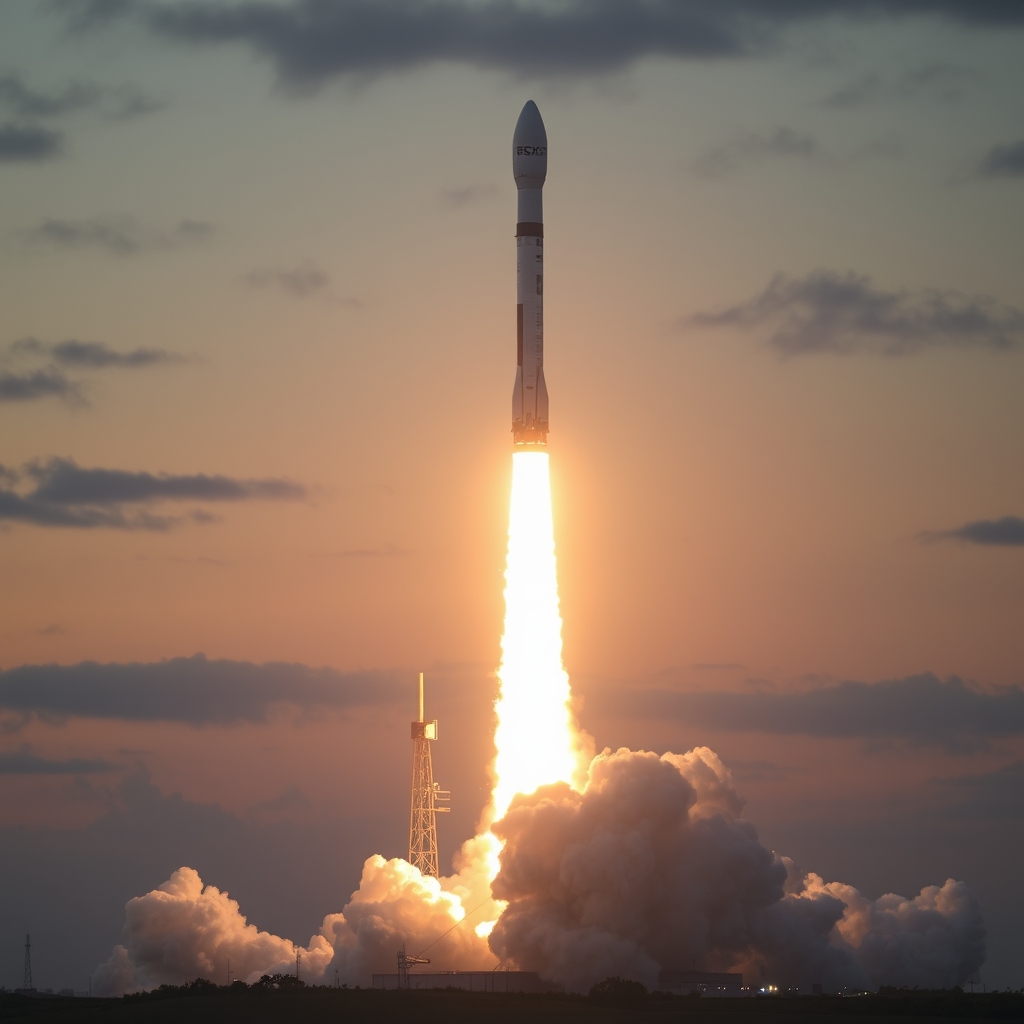
NEW YORK, June 12 — SpaceX has priced its initial public offering at $135 per share, valuing Elon Musk’s rocket company at about $1.77 trillion and raising roughly $75 billion in the largest IPO in history. The company is set to debut on the Nasdaq today, offering about 555.6 million shares, with roughly 30 percent allocated to retail investors.
This massive offering surpasses Saudi Aramco’s 2019 record and cements SpaceX’s position as a major player in the industry. Musk will retain more than 82 percent of the voting control, ensuring his continued influence over the company’s direction. SpaceX’s valuation makes it the seventh-largest U.S. company, ahead of Tesla’s roughly $1.6 trillion market capitalization.
The listing also has significant implications for Elon Musk’s personal wealth, with his net worth around $795 billion before the debut.
The offering is poised to lift him past $1 trillion, positioning him to become the world’s first trillionaire. Analysts attribute the soaring demand to SpaceX’s Starlink satellite-internet business and its dominant rocket-launch operations.
As SpaceX debuts on the Nasdaq, all eyes will be on the company’s performance and future plans.
With its massive IPO and dominant market position, SpaceX is well-placed to continue its growth and expansion. The IPO’s impact on the broader space industry will also be significant, as SpaceX’s success is likely to drive further investment and innovation in the sector.
Looking ahead, the key question will be how SpaceX uses its newfound capital and public platform to drive further innovation and expansion.
With its dominant position in the space industry and its ambitious plans for the future, SpaceX is likely to remain a major player in the sector.