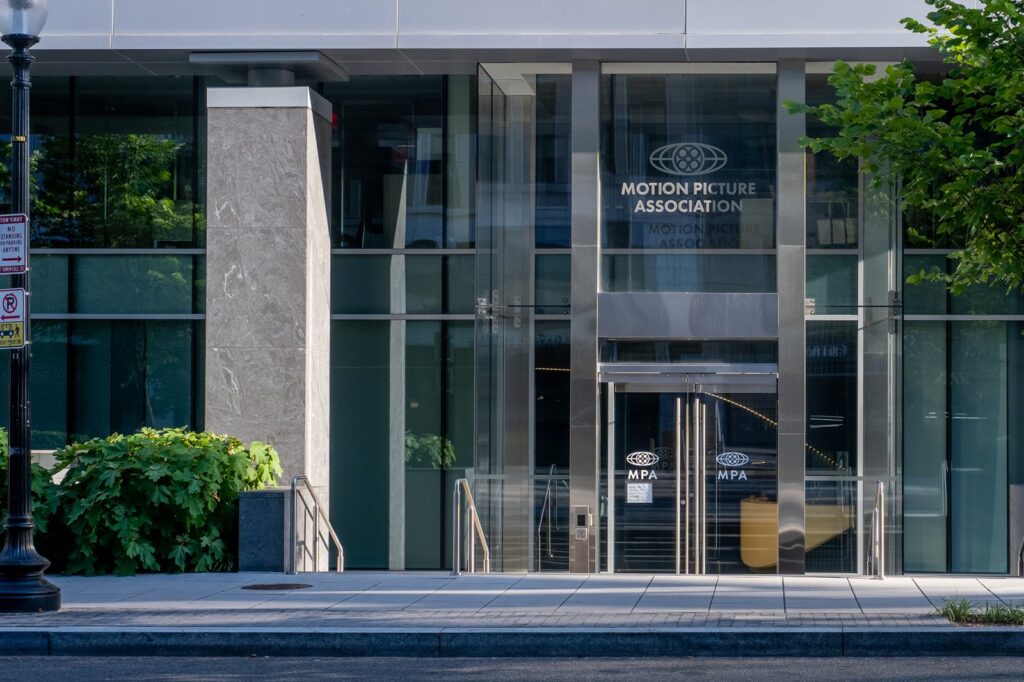
New York has overtaken California as the top state for movie and TV production.
According to the state’s film office, New York now leads the nation in production activity, driven by competitive tax incentives and sustained investment in soundstage infrastructure and workforce development. Production activity in New York has increased steadily over the past decade, with both New York City and upstate regions hosting significant film and TV shoots. The state reports record levels of spending from productions, reflecting broader changes in where media production is concentrated nationally.
How New York Overtook California in Production Rankings
New York’s rise to the top spot follows years of strategic investment aimed at attracting film and television work. The state offers competitive tax incentives that reduce production costs for studios and independent producers alike. These incentives have been paired with upgrades to soundstage facilities, particularly in New York City and the Hudson Valley, allowing larger productions to film locally rather than relocating to traditional hubs. At the same time, workforce development programs have expanded the pool of skilled crew members, from electricians to set designers, making it easier for productions to hire locally. As a result, more projects — ranging from network television series to major studio films — now choose New York as their primary shooting location.
Key Players Driving Growth in New York
The growth has been supported by collaboration between state agencies, private investors, and industry unions. The New York State Governor’s Office of Motion Picture & Television Development coordinates outreach to studios and manages incentive programs. Local film offices in New York City and upstate cities provide location scouting, permitting, and logistical support. Unions such as IATSE and Teamsters have reported increased membership and work hours as production levels rise. Local businesses — including hotels, catering services, and equipment rental companies — also benefit from the influx of crews and equipment. The state aims to sustain this growth through continued investment in creative industries, including grants for independent filmmakers and partnerships with vocational schools.
Current Production Numbers and Economic Impact
While specific dollar figures and production counts are not detailed in the available sources, the state film office confirms that spending from productions has reached record levels. This increase translates into direct economic benefits for communities across the state. In New York City, production activity supports thousands of jobs in sectors ranging from construction to hospitality. Upstate regions, including the Capital Region and Western New York, have seen growing interest from productions seeking lower costs and diverse landscapes. The shift in production concentration means more money is staying in local economies, with ripple effects felt in small businesses and public services.
Effects on Local Film Industry and Workforce
The rise in production has strengthened New York’s local film ecosystem. More residents are finding work in behind-the-scenes roles, reducing reliance on out-of-state crews. Training programs affiliated with community colleges and unions have expanded to meet demand for skilled labor. Independent filmmakers also benefit from access to state-funded resources and networking opportunities created by the increased presence of industry professionals. However, officials note that sustaining growth requires ongoing attention to infrastructure, such as maintaining and upgrading soundstations, and ensuring that incentive programs remain competitive with other states.
What Comes Next for New York’s Entertainment Sector
State leaders say they intend to build on recent success by refining incentive structures and expanding workforce training. There is a focus on making production accessible to a broader range of creators, including those from underrepresented communities. Officials also emphasize the importance of balancing growth with community impact, particularly in neighborhoods frequently used for filming. As production continues to rise, New York aims to remain a national leader not just in volume, but in inclusive and sustainable industry practices. The bottom line: New York’s investment in film and TV is paying off, reshaping where and how America’s entertainment is made.
History of State Film Incentives and Competition
New York’s current leadership in film production follows a long evolution of state-level competition for entertainment industry investment. Since the early 2000s, numerous states have implemented tax incentive programs to attract film and television production away from traditional centers like California and New York. These programs typically offer refundable or transferable tax credits based on in-state spending, aiming to stimulate local economies through job creation and ancillary business activity.
New York’s film tax credit program, first established in 2004 and expanded over subsequent years, has been periodically adjusted to remain competitive with other states offering similar incentives. States such as Georgia, Louisiana, and New Mexico have at various points offered more generous terms, prompting New York to enhance its own program through increased credit caps, extended eligibility, and additional support for post-production and visual effects work. This ongoing interstate competition has driven continuous refinement of incentive structures nationwide.
The effectiveness of these programs has been debated, with some studies questioning their long-term economic return on investment. Nevertheless, New York has maintained its focus on combining financial incentives with infrastructure development and workforce training to create a sustainable production environment. This holistic approach distinguishes its strategy from states that rely primarily on tax credits alone, contributing to its recent resurgence as a leading production destination despite intense national competition.
Broader State Context Influencing the Film Industry
New York’s economic clout underpins its recent boom in screen production. If the state were a sovereign nation, its gross domestic product would rank as the world’s tenth‑largest economy, providing a deep fiscal base for public‑sector incentives and private investment in studios and soundstages.
The same data highlight stark socioeconomic contrasts: New York boasts the nation’s highest rate of wealth inequality while remaining one of the most diverse—and most segregated—states. Policymakers are therefore emphasizing inclusive hiring and grant programs that aim to bring under‑represented creators into the rapidly expanding market.
Environmental legislation also shapes production practices. The state has enacted the nation’s most ambitious climate law, prompting studios to adopt greener set‑building and energy‑use standards. Meanwhile, over 300 school districts have adopted “responsible AI” policies, a trend that could accelerate the use of artificial‑intelligence tools in post‑production and visual‑effects workflows.
Finally, a newly formed mayoral task force is reviewing New York’s 143‑year‑old civil‑service system, with potential reforms to streamline permitting and location‑approval processes that have traditionally slowed on‑site filming.
Sources
- New York
- Judge blocks deportation of man shot by ICE agents in Marble Hill
- What to Know About the New York Governor’s Race
Photo: ajay_suresh (CC BY 2.0)