In September, when The Guardian and ITN asked a prominent British figure to answer allegations of sexual abuse, he replied with a warning: if their story was “published or broadcast, at the earliest opportunity I will kill myself.”
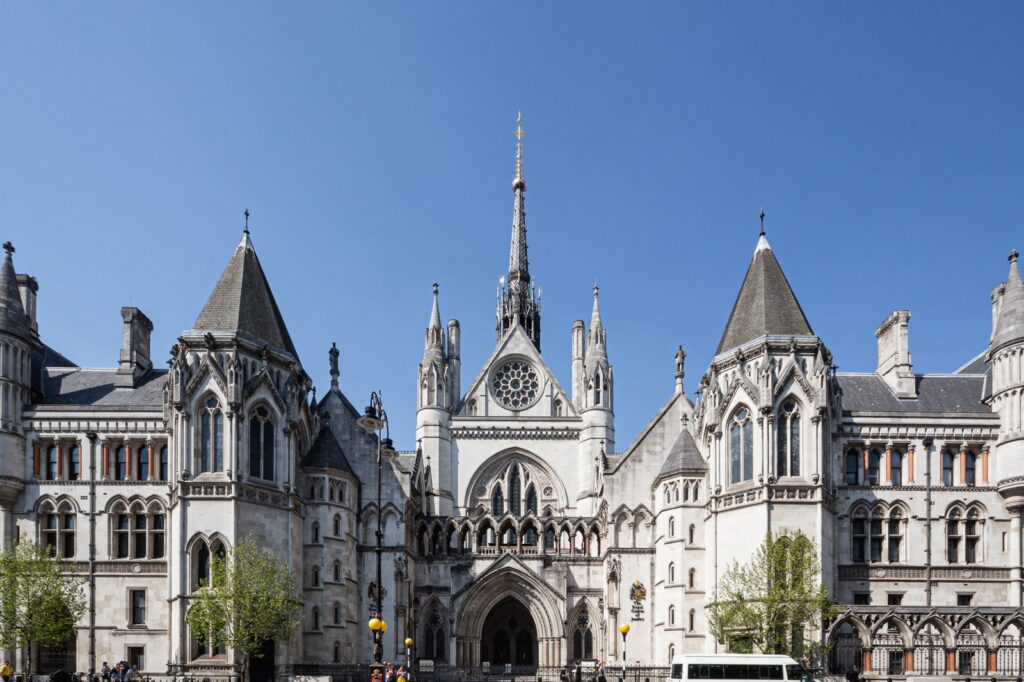
That response now sits at the centre of a High Court application to stop both outlets permanently. Their investigation took four years and drew on more than 30 people with first-hand accounts. It concerns what the outlets describe as “inappropriate and exploitative sexual activity with girls and young women”. The claimant denies the allegations.
His lawyers accept that their argument is “highly exceptional”. They contend that publication and exposure of his identity would “highly likely lead him to commit suicide”.
Evidence of a threat to life
His lawyer told the court that he had attempted suicide twice over the matter, spent months in hospital, been detained involuntarily and seen more than 10 doctors. “This is not a case where an individual has spuriously raised ‘mental health’ concerns in the face of an impending publication that they do not wish to occur,” she said.
Paul Tweed, a Northern Ireland defamation lawyer whose clients have included Harrison Ford, Britney Spears, Jennifer Lopez and Justin Timberlake, considers the argument legally viable. A genuine suicide risk, he said, remains one of the few grounds for such an order. But it would require confirmation from a competent psychiatrist and other medical evidence.
“The court don’t grant that very lightly,” Tweed said. The judge would examine whether the danger was real or, as he put it, “being used just an excuse, basically.”
Lawyers for the outlets struck against that argument with another: the public interest. They cited numerous allegations by women who said the claimant had abused his status over many years. Their counsel said women had suffered trauma, mental health crises and mental illness. Blocking publication, he argued, would make the authorities interfere in lawful journalism to prevent “an autonomous act by the claimant himself”.
Privacy in the age of circulation
Britain’s old super-injunctions, which could conceal even the existence of a court order, have become rare. The wider conflict between private life and press freedom has not.
American law has treated celebrity privacy differently. In the dispute over a stolen sex tape involving Pamela Anderson Lee and Bret Michaels, a court accepted the argument that Lee had voluntarily surrendered some privacy in pursuit of publicity. British discussions more often treat celebrity exposure as “controlled publicity”, with the boundaries negotiated between the individual, the press and the public.
An injunction also cannot erase online speculation. Tweed pointed to Barbra Streisand’s lawsuit over an aerial photograph of her Malibu home, which drove demand for the image rather than suppressing it. “In the era of social media, the injunction is far less effective, as this particular case shows,” he said.
Ian Hislop, editor of Private Eye, told The Times that allowing mental health to end the scrutiny of long-standing accusations would be unfair to accusers. “I know it sounds extremely callous,” he said, “but I think if this was allowed, it would set a very dangerous precedent.” The judge is expected to rule this week.
Sources
- Celebrity privacy
- Can Abuse Allegations Against a Celebrity Be Silenced Over Mental Health Claims? A Defamation Lawyer Explains the Unusual Case Gripping the U.K.
Photo:
This image was produced by me, David Castor (user:dcastor). The pictures I sub (CC0)