
Billboards circling Raymond James Stadium didn’t just advertise. They accused. Their messages, aimed at concertgoers arriving to hear Ye, spelled out the charge: antisemitism.
The rapper performed anyway Friday night. The fallout, though, is just beginning.
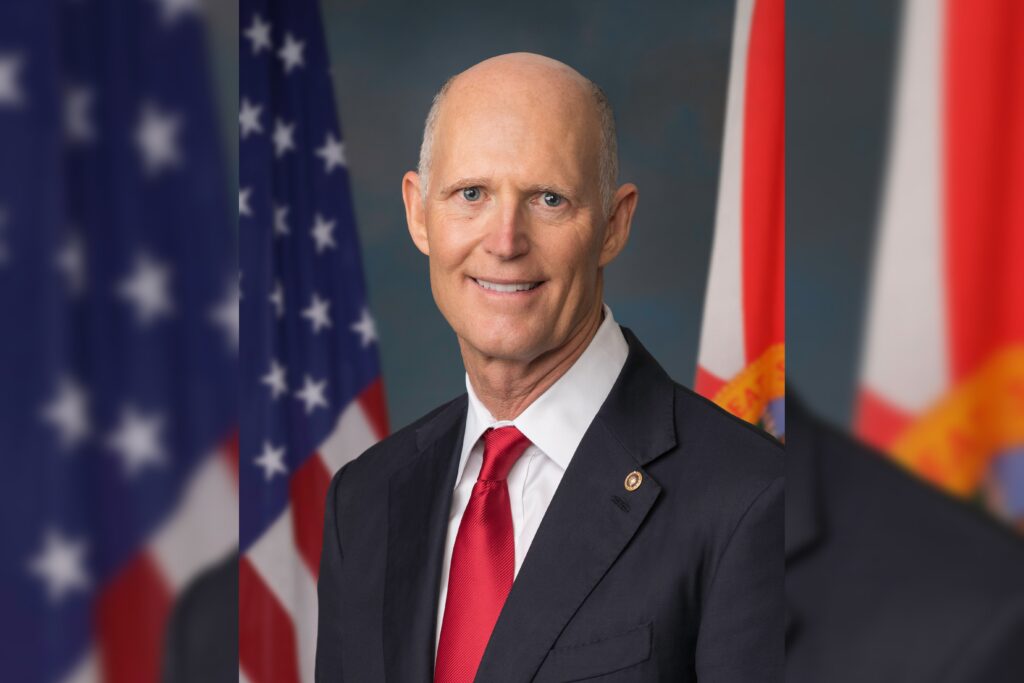
Senator Rick Scott isn’t done. He stood with Holocaust survivors and Jewish leaders earlier this month, demanding the shows stop. He circulated a petition.
His language was blunt: no place for antisemitism in Florida, especially at taxpayer expense. The Tampa Sports Authority pushed back.
It condemned antisemitism but defended Ye’s constitutional right to free speech. It also denied taxpayer money funded the concerts. Scott got some assurances.
On X/Twitter, he wrote that Ye would not sell Nazi merchandise, would not perform “Heil Hitler,” and would not display Nazi imagery. Those are narrow promises. The question now is what happens next.
The protest outside the stadium was charged. It was visible.
The mobile billboards were organized, deliberate. They made a point about past statements. That point didn’t disappear when the music started.
It lingers. Scott’s petition argued public money and resources should not support such events.
The Tampa Sports Authority’s denial of taxpayer funding weakens that argument. But it doesn’t erase the political pressure. Scott is a Republican senator.
He stood with survivors. He demanded action. The concert happened anyway.
Watch the next moves. Scott could push for state-level restrictions on publicly supported venues.
He could target lease agreements or permitting processes. The Authority’s stance — condemning antisemitism but protecting speech — sets up a legal and political tension. That tension is unresolved.
Inside the stadium, thousands heard Ye perform. Outside, protesters and concertgoers passed under the same glow.
The billboards didn’t stop the show. They did frame it. The Tampa Sports Authority made its position clear before the concert.
It condemns antisemitism. It respects free speech. Those two positions can coexist.
But they create a tightrope. Future performers with controversial histories will test it.
Scott’s press conference earlier this month included Holocaust survivors and other politicians. That was a coalition. It was public.
It was forceful. The concert still happened.
That result does not mean the coalition dissolves. It likely hardens. Ye’s past statements are not forgotten.
The billboards ensured that. The senator’s petition ensured that. The protest ensured that.
The music Friday night was loud. So was the opposition.
What to watch next: Scott’s next public move. Potential legislative proposals. The Tampa Sports Authority’s response to renewed pressure.
Other Florida venues watching this play out. The precedent matters.
The concert is over. The consequences are not.




