
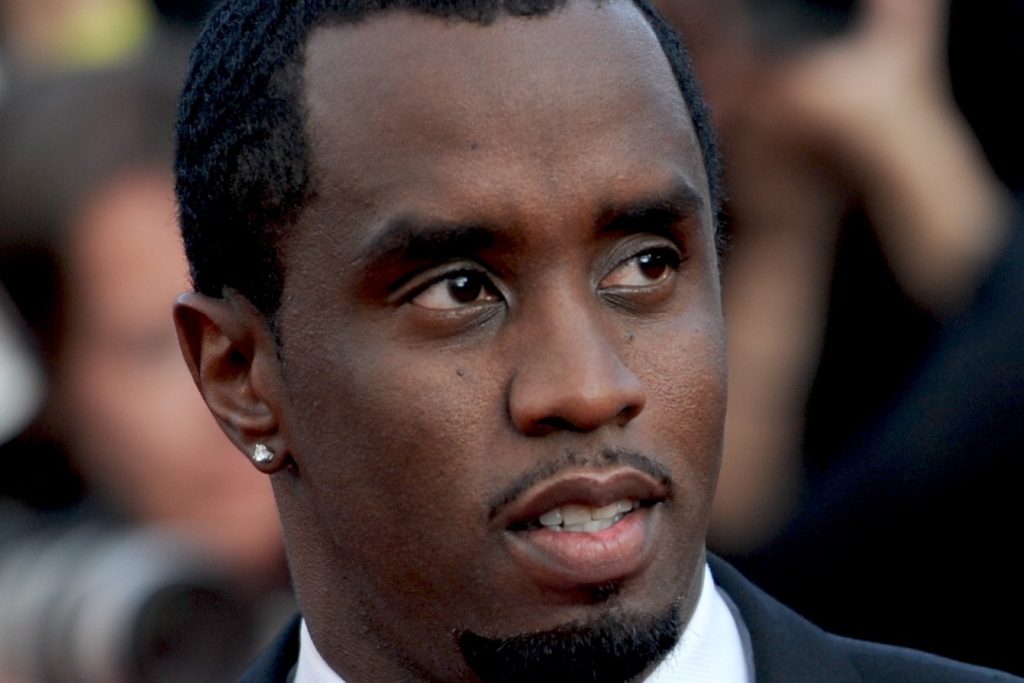
As of September 17, 2024, Sean Combs remains a defining force in the entertainment world. Born on November 4, 1969, and raised in Harlem, Combs built a multifaceted career as a rapper, record producer, record executive, and actor. His influence spans more than 30 years, marked by both commercial achievements and a reputation for discovering and developing new talent.
Before launching his own venture, Combs served as a talent director at Uptown Records. That experience preceded the 1993 founding of Bad Boy Records, the label that became his platform for shaping the careers of major artists including the Notorious B.I.G., Mary J. Blige, and Usher. The label’s establishment signaled a shift in Combs’ professional trajectory, allowing him to apply his skills as a talent scout and executive on a broader scale.
Combs’ debut album, “No Way Out,” arrived in 1997 and achieved significant commercial success. It reached number one on the Billboard 200 and sold more than 7 million copies in the United States. The album produced two chart-topping singles on the Billboard Hot 100: “Can’t Nobody Hold Me Down” and “I’ll Be Missing You.” The latter made history as the first hip-hop song to debut at number one on that chart, demonstrating Combs’ willingness to challenge industry norms.
His subsequent albums, “Forever” (1999) and “The Saga Continues…” (2001), both peaked at number two on the Billboard 200, reflecting consistent commercial appeal. Collaborative singles “Bump, Bump, Bump” (2002) and “Shake Ya Tailfeather” (2003) further extended his reach. With those releases, Combs became the first rapper to achieve five number-one singles in the United States. These accomplishments have earned him widespread recognition and solidified his status as a prominent figure in music.
Beyond his own recordings, Combs has been acknowledged for his innovative approach to the industry and his dedication to nurturing emerging artists. As a record executive, he has provided a platform for numerous performers, helping them reach broader audiences. His work has contributed to the evolution of both hip-hop and R&B genres.
As the entertainment landscape continues to change, Combs’ legacy remains a subject of interest. His track record and commitment to innovation suggest he will continue to influence the industry. Observers and fans will watch how his impact shapes new generations of artists and the sound of contemporary music. Sean Combs’ enduring presence ensures he remains a significant figure to follow.




