
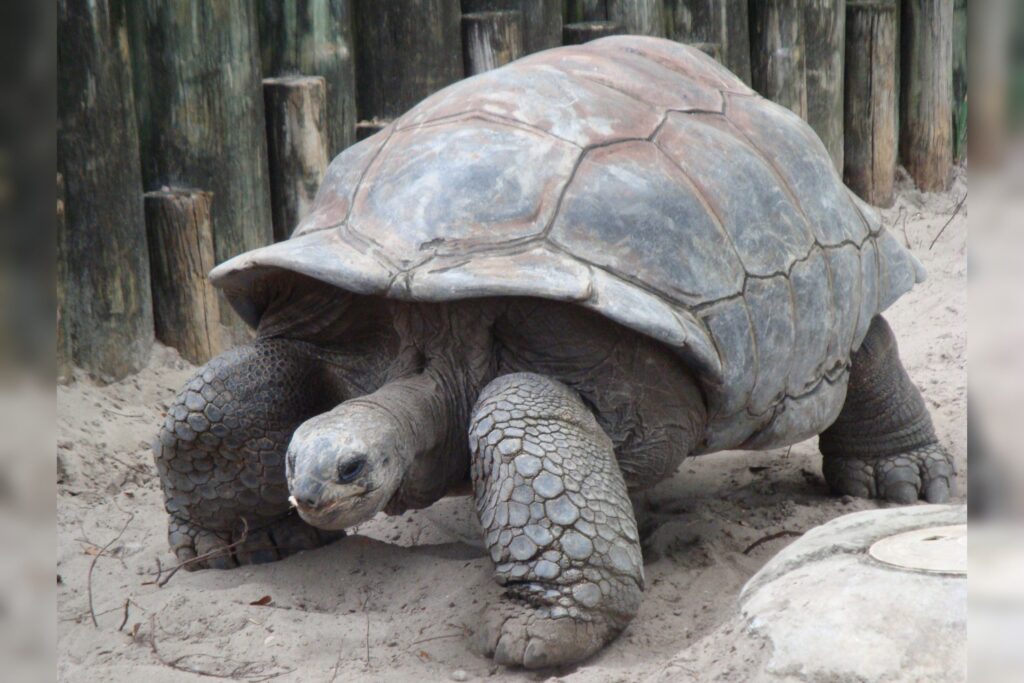
LOS ANGELES — The Mojave desert tortoise doesn’t chase anything. It doesn’t need to. That’s the quiet logic behind PBS’s bet on “The Tortoise that Saved the Rabbit,” a new episode of Wild Critters USA that landed on screens June 24.
Conservation media is a numbers game. Summer viewership for nature content spikes.
Families are the target. PBS announced the special at 3:29 p.m. Eastern on June 24, 2026 — a deliberate slot for parents planning screen time. The episode’s title teases a narrative reversal: a tortoise, not a hare, doing the rescuing.
But the real force here isn’t plot. It’s habitat.
The Mojave desert tortoise is built for one of America’s harshest landscapes. It digs burrows. It hoards water.
It lives for decades. That’s not flashy. That’s not dramatic.
That’s the programming strategy: resilience as entertainment. The show’s producers are betting a slow-and-steady reputation translates into compelling television.
It’s a risk. Wildlife media typically rewards movement — predators hunting, herds migrating. This animal does neither.
What it does is endure. That’s the lesson the episode is selling. Wild Critters USA occupies a specific niche.
Family-oriented. Educational. Focused on North American species.
It’s a steady performer for public media, but it doesn’t chase ratings the way commercial networks do. The audience comes to it. The question is whether that audience will come for a tortoise.
The promotional material shows the animal in its natural habitat. A still image.
Rugged. Ancient. No action.
No drama. Just a creature that looks like it walked out of the Pleistocene.
That image is the hook. It’s not about speed. It’s about survival.
The rabbit in the title is a device. It provides the action. The tortoise provides the anchor.
The episode’s structure likely follows a familiar pattern: a crisis, a rescue, a resolution. But the underlying message is about what lasts.
In desert ecosystems, the tortoise is a keystone species. Its burrows shelter dozens of other animals. Its slow pace is a survival strategy, not a weakness.
PBS is leaning into that. The timing matters.
Summer programming for families means competing with blockbusters and streaming giants. Nature content doesn’t have explosions. It has patience.
The tortoise is a metaphor for the network’s own approach: steady, educational, built for the long haul. Conservation investors will note the spotlight. The Mojave desert tortoise is not a headline animal.
It doesn’t get the fundraising campaigns that pandas or elephants get. This episode changes that, at least for a half-hour.
It puts a non-flashy species in front of millions of viewers. That has real-world implications. Public awareness drives donations.
Donations drive habitat protection. The episode airs now.
Families will watch. Kids will ask questions. That’s the point.
The tortoise doesn’t need to save the rabbit to be worth watching. It just needs to be seen.
{“@context”: “https://schema.org”, “@type”: “NewsArticle”, “headline”: “PBS Airs ‘The Tortoise that Saved the Rabbit’ as Summer Nature Special”, “description”: “LOS ANGELES — The Mojave desert tortoise doesn’t chase anything. It doesn’t need to. That’s the quiet logic behind PBS’s bet on “The Tortoise that…”, “datePublished”: “2026-06-24T16:00:00+00:00T09:30:00+00:00”, “author”: {“@type”: “Person”, “name”: “Noah King”}, “publisher”: {“@type”: “Organization”, “name”: “InfoPulse Today”, “url”: “https://newsfeed.2bme.xyz/”}}




