
The numbers tell a simple story: nonfiction graphic novels are now serious business. They win Pulitzers. They win National Book Awards.
They get turned into streaming shows. The genre sits third in North American book sales, behind only general fiction and romance.
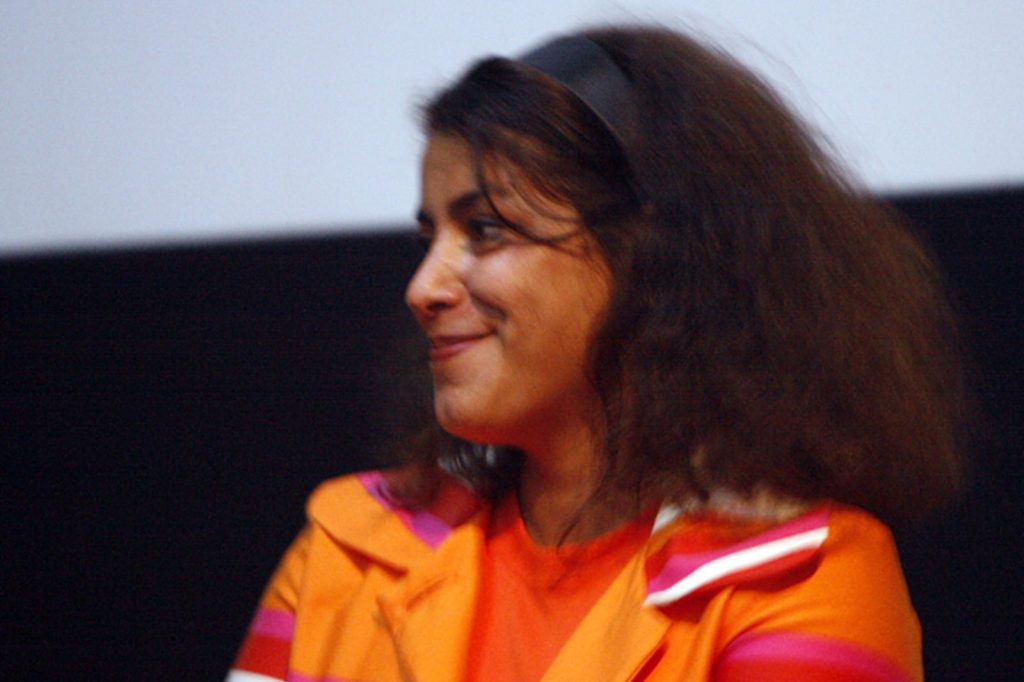
Not bad for a format that, not long ago, many still dismissed as comics. But the death of Marjane Satrapi earlier this month cut through that success. Her 2003 memoir “Persepolis” — about growing up in Iran during and after the 1979 revolution — was a genuine blockbuster.
It was also one of the most challenged books in schools and libraries. Satrapi’s work did not just sell copies.
It proved that a graphic memoir could carry political weight, personal pain, and still find a mass audience. That legacy is still being fought over. Earlier this year, a book called “Wake Now in the Fire” came out.
It recounts a specific battle: an attempt to pull “Persepolis” from Chicago public schools, and the student uprising that stopped it. A graphic memoir about a graphic memoir being banned. The format keeps circling back on itself.
Five graphic memoirs from the first half of 2026 have stayed with one critic. The standout is “Anxietyland” by British comic artist Gemma Correll.
Her work is everywhere — The New Yorker, tote bags that say “Pugs Not Drugs.” But 2018 was brutal for her. Project deadlines shattered into insomnia, panic attacks, and heavy drinking. She ended up checking herself into a hospital.
The book is about that crash. Correll’s story is personal.
The industry story is about money. Elementary-school libraries have become a key battleground for sales. These graphic memoirs are among the most popular titles in those collections.
That creates what publishers call a long tail of demand — kids check them out, parents buy them, adults read them too. The crossover between school-library circulation and adult bookstore sales is durable. Investors are starting to notice.
Satrapi’s death puts a frame around all of this. “Persepolis” was a door opener.
It showed that a drawn memoir could be literary, angry, funny, and devastating all at once. It also showed that the genre could be a target. That is the paradox.
The same format that wins National Book Awards also gets pulled from shelves. “Wake Now in the Fire” is the latest chapter in that fight.
Readers have never had this much choice in graphic nonfiction. That is the bottom line for publishers. But the death of a pioneer hits hard.
Satrapi was not just a name on a spine. She was the reason a lot of people first took the genre seriously. Her work is still being challenged.
It is also still being read. That is the kind of legacy that lasts.
{“@context”: “https://schema.org”, “@type”: “NewsArticle”, “headline”: “Nonfiction graphic novels gain prominence as genre mourns Marjane Satrapi”, “description”: “The numbers tell a simple story: nonfiction graphic novels are now serious business. They win Pulitzers. They win National Book Awards. They get turned into…”, “datePublished”: “2026-06-27T07:14:00+00:00T09:30:00+00:00”, “author”: {“@type”: “Person”, “name”: “Sebastian Smith”}, “publisher”: {“@type”: “Organization”, “name”: “InfoPulse Today”, “url”: “https://newsfeed.infopulsetoday.com/”}}




