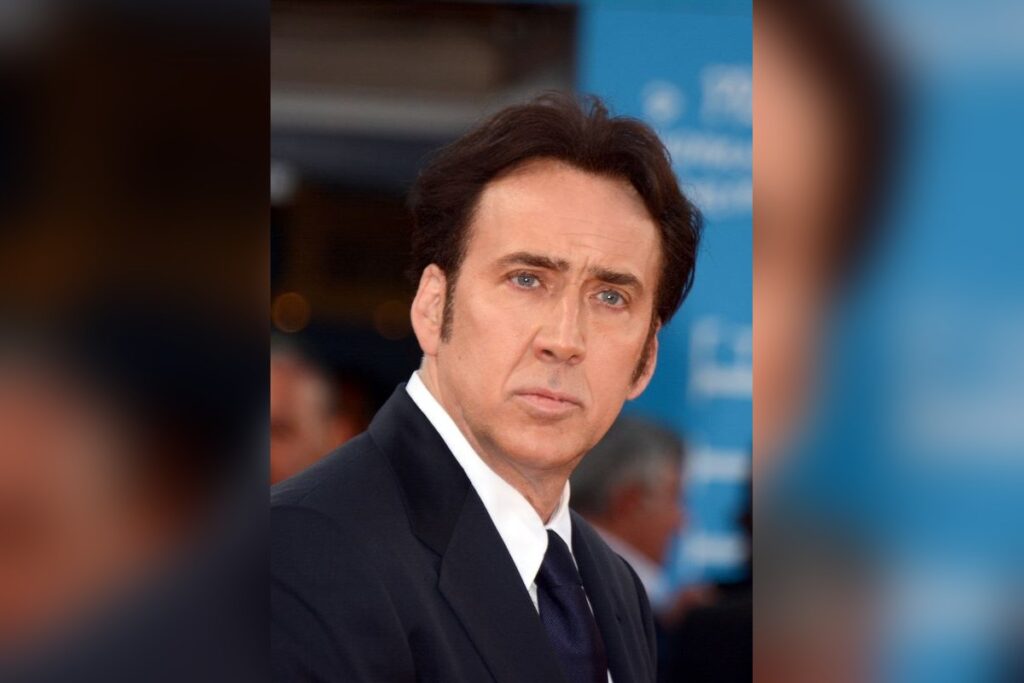
LOS ANGELES, October 10 — Nicolas Cage has declined to sign an AI waiver for Amazon’s upcoming animated series ‘Spider-Noir’, citing concerns about the use of artificial intelligence in voice acting. The actor, known for roles in films like ‘National Treasure’ and ‘Face/Off’, described himself as ‘not an AI-friendly actor’ in response to Amazon’s plan to use AI to generate the voice of the titular character in the series.
Cage’s decision reflects a broader unease among performers about AI’s growing role in creative industries, particularly where human artistry has traditionally been central. While AI has been used by companies like Google and Microsoft to create voices for digital assistants, its application in entertainment projects such as ‘Spider-Noir’ has sparked debate over the implications for actors and the authenticity of creative work.
The series, a noir-style adaptation of the Marvel character Spider-Man, is set to premiere on Amazon Prime Video, though Cage’s involvement — or lack thereof — remains unresolved following his refusal to sign the waiver. Looking ahead, the standoff highlights ongoing negotiations between talent and studios over how AI tools should be governed in production, especially as more companies explore automated voice generation for animated and digital content.
The use of artificial intelligence in voice acting has become a growing point of discussion within the entertainment industry, as studios explore ways to streamline production and reduce costs through automated technologies. While AI-generated voices have been employed in various non-creative applications for years, their integration into narrative-driven projects raises questions about artistic control, consent, and the potential displacement of human performers.
Industry groups and unions have begun to examine how such technologies should be regulated, particularly regarding the use of an actor’s likeness or vocal characteristics without explicit permission. Nicolas Cage’s stance adds to a developing dialogue among actors who are wary of ceding creative authority to algorithmic systems, especially in roles that rely heavily on vocal nuance and emotional expression. His public refusal to sign an AI waiver underscores a preference for traditional voice acting processes, where human interpretation remains central to character portrayal.
This position aligns with broader concerns voiced by some performers about the long-term implications of AI on livelihoods and creative integrity within film, television, and animation. The debate over AI in entertainment extends beyond voice work to include areas such as scriptwriting, visual effects, and digital de-aging, prompting calls for clearer guidelines and contractual safeguards. As streaming platforms and studios continue to experiment with AI tools, the outcome of discussions like the one surrounding ‘Spider-Noir’ may influence future policies on consent, compensation, and creative credit.
Cage’s decision highlights the tension between technological innovation and the preservation of human-driven artistry in evolving media landscapes.