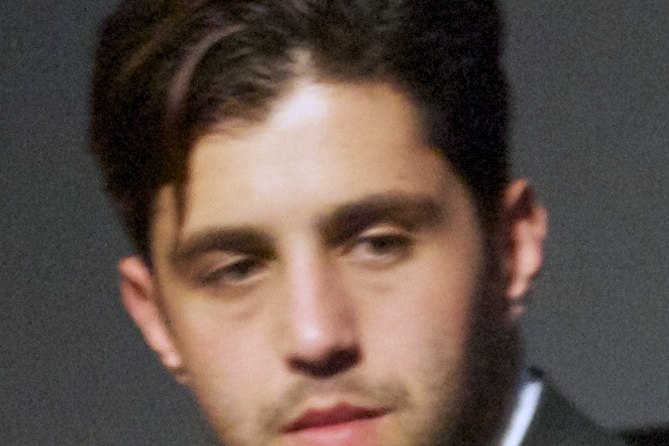
LOS ANGELES — Josh Peck’s disclosure about his pay on Drake & Josh lands at a moment when the entertainment industry is still wrestling with how it compensates young talent. The actor, who played Josh Nichols on the Nickelodeon series, indicated his earnings fell well below what fans might assume for a lead on a hit show. Exact figures remain undisclosed.
Peck’s comments enter a broader conversation. For years, child performers have operated under rules meant to protect them — limits on hours, mandatory education, trust fund requirements under California’s Coogan Law.
But those safeguards do not guarantee equal pay. They do not guarantee fair pay. The gap between what a network earns from a popular show and what a teenage actor takes home can be wide.
The ripple effect matters for families across Asia and the Philippines, where Drake & Josh reruns remain a shared experience. Parents who watched the show as kids now see their own children watching it.
The revelation that one of its stars earned less than expected may shape how those families view the industry. It may also shape how young performers in those regions negotiate their own contracts. Hollywood has seen landmark moments on pay.
Jennifer Lopez earned $1 million for playing Selena Quintanilla in 1997 — the first Latina actress to reach that figure for a film. “I was too young and didn’t know what the hell was going on,” Lopez told Variety in 2019. “It was great they offered me a million dollars.
I feel like everyone was making a statement.” That paycheck set a precedent. It opened doors.
Lopez went on to earn hundreds of millions more. But even Lopez sometimes works for nothing. She told GQ in 2019 that she did Hustlers for free.
“I do things because I love them,” she said. “I didn’t get paid a whole bunch of money for Hustlers.
I did it for free and produced it. I bank on myself, you know? Like Jenny From the Block — I do what I love.” The contrast between Peck’s experience and Lopez’s is instructive.
Both were young. Both were part of major projects. One earned a record sum.
The other earned less than fans expected. The difference is not just about the show or the role.
It is about timing, leverage, and the systems in place. For child actors today, Peck’s story is a warning. The Nickelodeon machine was powerful.
It launched careers. But it also left some performers with questions about what they were owed.
The conversation about fair pay for young performers is not new. It has been simmering for years. Peck’s disclosure adds heat.
What comes next is uncertain. The industry has no single fix. Some states have strengthened Coogan Law protections.
Some unions push for better contract terms. But the fundamental dynamic remains: networks profit, and young actors take what they can get.
Peck’s experience may prompt more families to ask hard questions before signing on the dotted line. For viewers in Asia who grew up watching Josh Nichols stumble through his teenage years, the news lands differently now. The show was comfort.
It was laughter. Behind that laughter was a young actor earning less than the audience assumed.
That reality does not change the show. It changes how people see it.