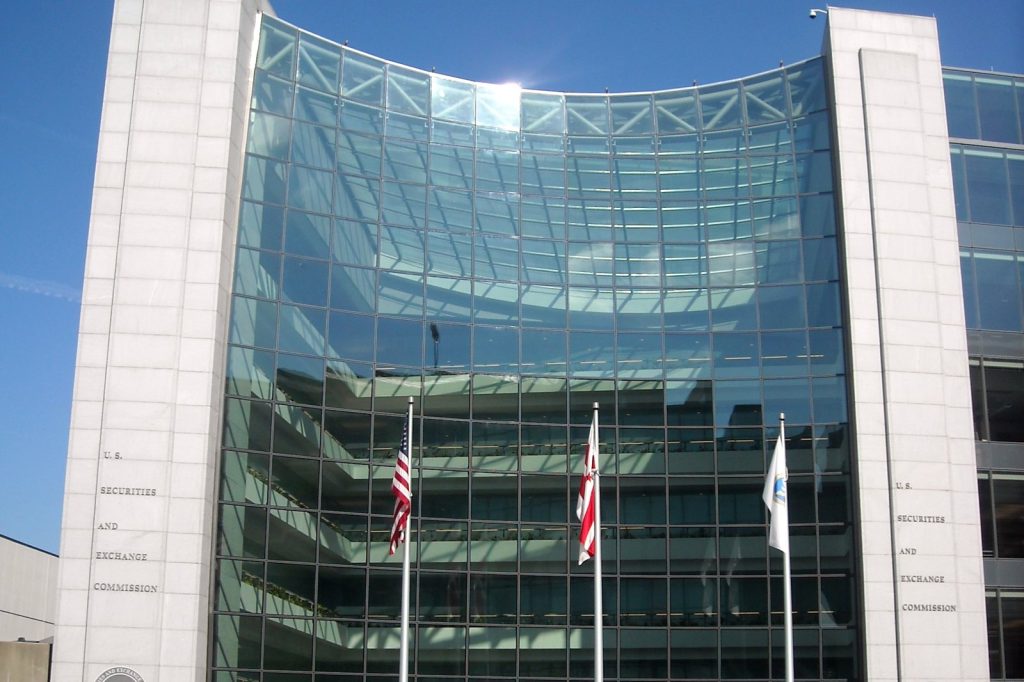
In March 2011, the SEC’s enforcement director told a House committee the agency was “canvassing all hedge funds for aberrational performance.” Robert Khuzami said investigators were looking in particular for funds that beat market indexes by 3 percent on a steady basis.
That canvass became a standing program, the Aberrational Performance Inquiry, or API. Staff from the Enforcement Division, the Office of Compliance, Inspections and Examinations and the Division of Risk, Strategy and Financial Innovation run it together. The target is advisers whose reported results look, in the words of then-Commissioner Elisse Walter, “too good to be true.”
How the screen works
A computer system combs through the returns of thousands of funds and flags the ones that look unusually high or out of line with the market. The SEC later said it sets no fixed threshold. It tests for abnormally high returns in absolute terms, and for returns that stay steady while markets swing.
A flag is only the start. The Enforcement Division’s Asset Management Unit then looks for an innocent explanation. If the numbers turn out to be fraudulent, investigators ask whether the false reporting points to something else, such as stolen fund assets or inflated valuations. Only then does the SEC decide whether to bring a case against the manager or others.
By December 2013, lawyers at Davis Polk & Wardwell wrote in a special report for Financier Worldwide, the inquiry had produced at least seven enforcement actions. The charges covered improper use of fund assets, fraudulent valuations, misstated returns and undisclosed related-party transactions. Walter said the SEC had used the results to alert regulators in 17 countries, and former Commissioner Mary Schapiro said some of them asked for help building similar analytics of their own.
Three cases
The announcement that introduced the program came in late 2011, with actions against three advisory firms and six individuals.
One involved Millennium Global Emerging Credit Fund. The SEC alleged its former portfolio manager schemed with two European-based brokers to inflate monthly returns and net asset values. He allegedly fed the brokers made-up prices for two illiquid holdings, and they passed the numbers to the fund’s outside valuation agent and auditor. The U.S. Attorney’s Office for the Southern District of New York arrested him and filed criminal charges of securities fraud, wire fraud and conspiracy.
Another was ThinkStrategy Capital Management, a New York hedge fund firm, and its sole managing director. High returns drew the SEC in. Investigators then found more: inflated assets under management, an exaggerated track record, and a management team presented as bigger and better credentialed than it was. According to the SEC, the managing director gave investors the false impression that returns were consistently positive with little volatility.
The most recent case then was SEC v. Yorkville Advisors, which charged a former $1 billion hedge fund advisory firm and two of its executives. The SEC said they inflated assets under management and exaggerated returns to collect higher fees and win new investors. The charges also said they ignored negative information during valuation, withheld adverse facts from the auditor and misled investors about liquidity and collateral.
Advice for honest managers
The same report noted a worry among managers who have honestly outperformed. The lawyers’ advice was to document valuation procedures, keep clear records of how marketing performance figures were calculated, and have compliance staff look into any returns that are unusually stable or high. The SEC, they added, intended to widen its use of data analytics to catch fraud before a tip arrives or an exam turns it up. In July 2013 it announced three initiatives aimed at financial reporting and microcap fraud.