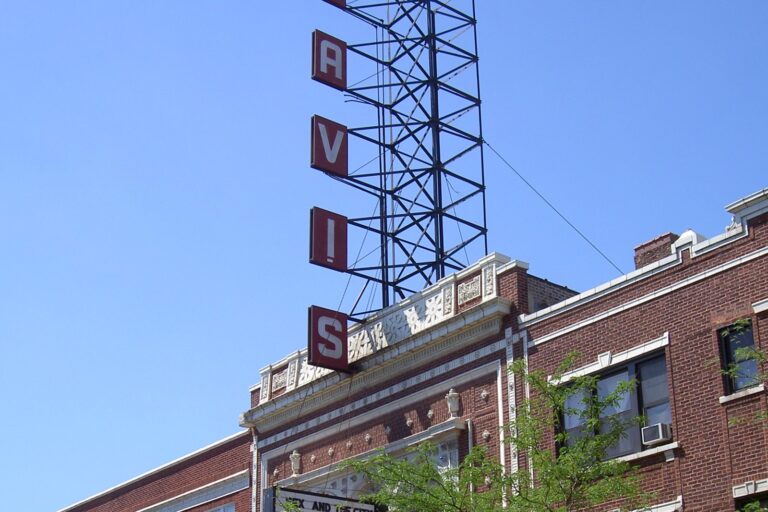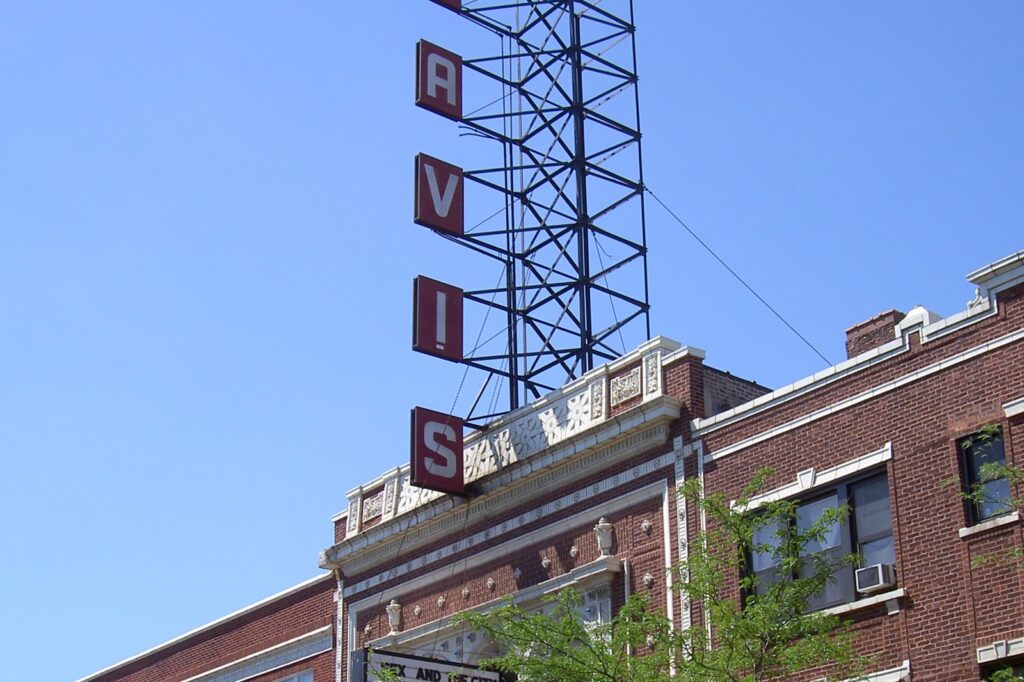
CHICAGO, October 21, 2026 — The inaugural Dare To Dream Film Festival takes over the historic Davis Theater in Lincoln Square this week, bringing 11 short films to the screen while explicitly barring artificial intelligence from its lineup. Founded by queer Chicago filmmaker Bridget Johnson, the event is designed to celebrate human collaboration and protect the craft of independent creators.
Defending Human Creativity at the Davis Theater
On the ground in Lincoln Square, the one-night event opens at the Davis Theater, located at 4614 N. Lincoln Ave, with doors opening at 6 p.m. and screenings starting at 6:30 p.m., according to reports by Hoodline and Block Club Chicago. The festival was created by Johnson after her own disappointing experiences with expensive submission fees, abrupt rejections, and extra costs just to get feedback at other events. According to Block Club Chicago, the organization intentionally creates space for voices too often overlooked by the film industry, including LGBTQ+, BIPOC, neurodivergent, disabled, and women filmmakers.
The festival received more than 80 submissions through FilmFreeway and personal solicitations on social media. Johnson selected 11 shorts based on the strength of the filmmaking rather than a project’s budget or resources, noting that story was always the primary priority. The lineup spans comedy, drama, documentary, and animation, featuring works such as an Italian short about an older lesbian celebrating her first Pride without her ex-wife, and a handmade animated film tracking a queer couple through six years of their relationship, including a gender transition. Additional selections include a documentary about Chicago’s prison-abolition community and incarcerated artists, and another following a young Irish Catholic queer woman in 1940s Chicago who became a nun, according to Hoodline.
Vetting Submissions and Enforcing the AI Ban
As independent festivals grapple with technological shifts, Dare To Dream enforces a strict anti-AI policy to protect human creators. According to Block Club Chicago, Johnson tied this policy directly to the labor and dedication required for physical production. “Filmmaking takes so much creativity, collaboration and perseverance,” Johnson stated, adding that she wants to celebrate that very human process.
To enforce high creative standards and support participants, programmers use submission vetting and provide free, actionable feedback to every submitting filmmaker, regardless of acceptance. Johnson stated that she wanted filmmakers to leave with something useful for their next project, according to Block Club Chicago. Before the screening, attendees can take part in interactive networking, tarot readings, and other activities, with a Q&A and award ceremony following the films. General admission runs $25, with a $50 VIP ticket also available, and award-winning filmmakers will receive professional cameras through a collaboration with Canon, as reported by Hoodline.
A Widening Industry Split on Artificial Intelligence
Dare To Dream’s anti-AI stance lands amid a widening split in the global film world regarding generative technology. According to Hoodline, the 79th Festival de Cannes formally barred generative AI-driven films from its Official Competition and Palme d’Or eligibility in April 2026, with festival leadership arguing that a film is a personal vision rather than an assembly of data. At the same time, the number of global film festivals accepting AI-generated submissions jumped from eight in 2024 to more than 30 in 2026, generating over 12,000 AI film entries across the 2025-2026 cycle, per the same report.
By establishing clear boundaries through submission vetting and community engagement, regional events like Dare To Dream provide a counterweight to automated production trends. Through free mentorship and a commitment to marginalized voices, the festival defends human artistry against algorithmic shortcuts. As the industry navigates this technological divide, independent programmers continue to decide what constitutes a personal vision on screen.
Founding Mission and the Explicit AI Ban
Dare To Dream began as an organization before it became a festival, founded by queer Chicago filmmaker Bridget Johnson to foster opportunities for independent filmmakers who otherwise lack the resources to get their films made and seen, according to Block Club Chicago. The idea grew from Johnson’s own disappointing experiences submitting work to other festivals, including expensive submission fees, abrupt rejections, and extra costs just to receive feedback. “I wanted to create the kind of festival I wish existed as a filmmaker,” she said. The organization’s mission, per a press release cited by Block Club Chicago, is to “intentionally create space for voices too often overlooked by the film industry, including LGBTQ+, BIPOC, neurodivergent, disabled, and women filmmakers.”
Johnson also wanted to address the complicated experiences queer filmmakers face in festival spaces, where marginalized creators can struggle to feel a sense of belonging or wonder whether their presence is merely “check[ing] an LGBTQ+ inclusion box,” according to Block Club Chicago. Another key concern driving the festival’s formation was the need to explicitly bar AI-generated art, as the technology is being adopted with increasing frequency. “Filmmaking takes so much creativity, collaboration and perseverance,” Johnson stated. “I want to celebrate that very human process.” This foundational stance frames the ban not merely as a technical restriction but as a defense of the labor and community the festival was built to serve.
Submission Feedback As A Tool For Growth
According to Block Club Chicago, Dare to Dream programmers offer free, actionable feedback to every submitting filmmaker, regardless of acceptance into the festival. Johnson stated, “I wanted filmmakers to leave with something useful for their next project,” highlighting the importance of feedback in the growth and development of independent filmmakers.
This approach not only supports the filmmakers but also reinforces the festival’s mission to foster a community that values human creativity and collaboration. By providing constructive feedback, the festival encourages filmmakers to refine their craft and continue pushing the boundaries of storytelling.
Sources
- Chicago's Queer-Led Dare To Dream Film Festival Says No To AI 'Art'
- Dare To Dream Film Festival Bans AI Art in Chicago
- Josephine: Channing Tatum & Gemma Chan Shine in Harrowing New Drama
Photo: ejojola (CC BY 2.0)