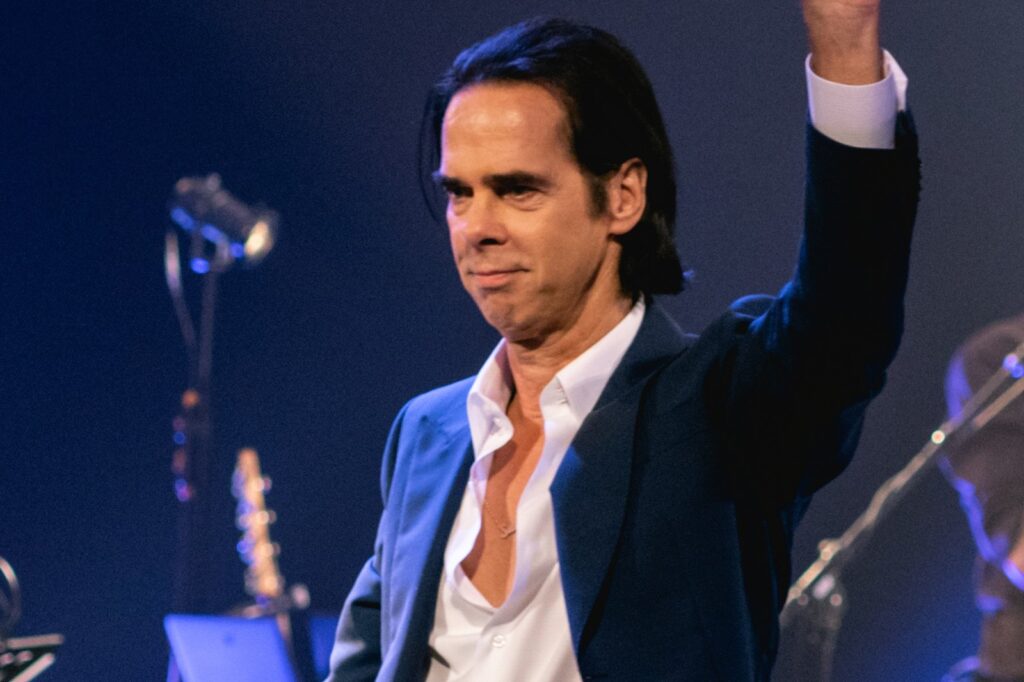
SYDNEY, October 20, 2026 — Musicians like Nick Cave and Kylie Minogue are relying on contract clauses rather than statutory law to stop unauthorized AI training of their catalogs. This strategy emerges as Australia stands alone among 62 nations reviewed for introducing a text-and-data-mining exception that does not strengthen copyright holders’ exclusive rights.
The Legal Outlier Status
Australia is something of an international outlier when it comes to copyright protections for commercial AI training. While 62 countries have considered potential changes to copyright protections, only Australia has introduced a new text-and-data-mining exception without agreeing to improve the exclusive rights of copyright holders.
This legal framework essentially means that an artist’s back catalogue cannot be mass-analysed and pilfered from under current statutory schemes. However, the industry body representing major labels argues that this protection is fragile because it depends on individual contracts rather than broad legislative immunity.
Allegations of Unauthorized Scraping
The International Confederation of Music Publishers has alleged that works by Kylie Minogue and Nick Cave have been used to train AI without the permission of the artists. Speaking to Guardian Australia, John Phelan, the managing director of ICMP, highlighted his concerns that tech companies were piling pressure on the Australian government to weaken their copyright laws.
Phelan stated that these entities are trying to strong-arm Australian policymakers into a position where they claim if the government does not act, investment will not occur. He warned that the global music industry and all creative industries worldwide are appalled by the idea of a statutory scheme or a government deal which would interfere with how Australian industries work and contract around the world.
Demonstrable AI Reproduction
While the AI industry states that its models are not able to be trained on Australian content due to copyright rules, the ICMP showed Guardian Australia that Google’s Gemini was able to reproduce lyrics from Minogue and Cave. The demonstration also included works by fellow Australian group G-Flip.
The organization also highlighted a dataset published by The Atlantic in June containing songs from more than 12 million YouTube videos that had been used to allegedly train AI, which again featured tracks by Minogue and Cave. These findings suggest that the statutory exception alone may not be sufficient to prevent scraping when contractual opt-outs are not enforced.
Contractual Defense and Political Pressure
In many cases, artists can and do opt out of AI training clauses as part of their contracts with labels and publishers. This serves as a current legal shield for those who negotiate specific terms regarding the use of their master recordings and songwriting credits.
The ICMP accused AI companies of pushing Australian policymakers towards a system that allows training on copyrighted material without asking for licenses. Phelan argued that the cost of developing AI models, pressure to generate returns, and US copyright litigation is likely panicking companies and forcing them to seek easier solutions elsewhere, namely Australia.
Political Response and Future Review
In July, Prime Minister Anthony Albanese said it would be theft if artists could not retain control over whether their work was used to train AI and what they were paid for that use. A cross-party parliamentary committee examining AI policy has since called for a review of the current copyright settings.
A joint letter to Albanese from Labour chair Jo Briskey and deputy chair Liberal senator Jonathon Duniam recommended that the government examine current copyright settings while ensuring creators retain control over their work and receive payment. This political momentum follows industry pressure regarding the unique position Australia holds in global copyright law.
Creative Criticism of AI Tools
Nick Cave has been an outspoken critic of AI, stating in 2024 that its intent is to completely sidestep the sort of inconvenience of the artistic struggle. He argued that going straight to the commodity reflects on us as human beings and suggests we just consume stuff rather than make things.
Cave added that he is an enormously optimistic person about the world in general, but he thinks the demoralising effect or the humiliating effect that AI will have on us as a species will stop us caring about something like the artistic struggle. He stated that we will just accept what is fed to us through these things.
Personal Experimentation with Algorithms
Cave’s even used ChatGPT to write a song as an experiment in 2023, concluding that the apocalypse is well on its way. He described the resulting song as sucking after testing the tool against his own creative standards.
This personal trial reinforced his public stance that AI threatens the fundamental nature of artistic struggle. The demoralising effect he describes suggests a broader concern among creators about how these tools alter the relationship between human effort and commercial output.
Global Watch on Australian Policy
Phelan warned that the world is very much watching what Australia does regarding its copyright settings. He stressed that it is fair to say the global music industry, as well as all creative industries worldwide we work with, are appalled by the idea of a statutory scheme or a government deal which would interfere with how Australian industries work and contract around the world.
The issue was recently discussed at a parliamentary committee in the Australian government, which saw the cross-party group recommend that the government examine current copyright settings. This scrutiny places Australia’s unique legal position under intense international observation as tech giants expand their training datasets across borders.
Sources
- Nick Cave and Kylie Minogue's music allegedly used to train AI
- Kylie Minogue (album)
- Kylie Minogue and Nick Cave music allegedly used in AI training, according to publishers
Photo: Raph_PH (CC BY 2.0)