DENVER, October 21, 2026 — The 49th Denver Film Festival launches with a slate of major awards contenders while prioritizing regional talent through a dedicated showcase. According to CBS News, the event runs from October 22 to November 1, 2026, and brings independent features together with high-profile Hollywood projects across various local venues.
The Mechanics of Selection and Regional Representation
Strategically, the calculus of regional programming requires balancing high-budget studio products against modest home-grown productions. According to the Colorado Sun, the festival features a ‘Colorado Spotlight’ showcasing nearly 100 films, including 19 regional productions. Artistic Director Matt Campbell sifted through 1,400 submissions this year to select about 500 films for review, according to the same report. Campbell estimates he has watched years of bad independent films to hone his ability to recognize quality over Hollywood products, having worked with Denver Film since 2009. The broader stakes involve introducing local audiences to movies they would not otherwise see outside of major studio releases, according to the Colorado Sun.
For independent directors, navigating the circuit involves overcoming specific industry preferences. Filmmaker Sheryl Glubok noted a ‘seriousness bias’ at festivals, preferring heavy topics over crowd-pleasing comedies like her film ‘Welcome to the Fishbowl’, according to the Colorado Sun. Her feature debuts during the event as part of the regional showcase. The event is managed by Denver Film and held primarily at the Anna and John J. Sie FilmCenter, with premiere events taking place at the Buell Theatre and Ellie Caulkins Opera House, as detailed by Wikipedia.
Historically, the festival has grown from modest roots into a fixture of independent cinema. The first festival was held on May 4, 1978, and was originally conceived and founded by Peter Warren, then a professor of mathematics at the University of Denver, and Irene Clurman, then the art critic for the Rocky Mountain News, according to historical archives on Wikipedia. Early organizers noted the unpredictable Colorado weather during that inaugural run, which eventually led to formal incorporation as a nonprofit after three years.
Accessibility Initiatives and the Future of Independent Cinema
To sustain the independent cinema ecosystem, organizers deploy targeted outreach to younger demographics. According to CBS News, Denver Film partners with Amazon to provide free screenings for high school students at the Denver Museum of Nature and Science. Approximately 1,600 kids are expected to attend these free screenings for their first film festival experience, according to the same report. Additionally, pay what you can screenings are offered for all Ellie Caulkins Red Carpet presentations to ensure accessibility, as noted by CBS News.
What this signals for regional showcases is a deliberate push to cultivate future audiences outside the traditional commercial pipeline. The current 11-day schedule features 143 films, including world premieres and Oscar buzz contenders like ‘Ink’ and ‘Behemoth’, alongside special tributes and awards, according to CBS News. By maintaining a dual focus on international prestige pictures and nearly 100 regional selections, the festival reinforces the viability of independent production outside coastal industry hubs.
Special Tributes And International Focus
The Denver Film Festival has a history of honoring notable filmmakers and showcasing international cinema. According to Wikipedia, the 28th Starz Denver Film Festival featured special tributes to Claude Lelouch and Ryuichi Hiroki, and included a focus on Japanese Cinema.
In addition to its regional spotlight, the festival also highlights international films and talent. This year’s lineup includes world premieres and Oscar buzz contenders like ‘Ink’ and ‘Behemoth’, as reported by CBS News. The festival’s ability to attract high-profile films and industry professionals is a testament to its growing reputation as a major player in the film festival circuit.
The festival’s international focus is also reflected in its venue selection, with premiere events held at the Buell Theatre and Ellie Caulkins Opera House at the Denver Performing Arts Complex, according to Wikipedia. This allows the festival to showcase a diverse range of films to a broad audience, from independent features to commercial releases.
Historical Venue Evolution and Programming Scope
The festival’s physical footprint has shifted significantly over its nearly fifty-year history. Before 2012, events were held at the Tivoli Union on the Auraria Campus, according to Wikipedia. The inaugural event in May 1978 utilized the Old Centre theater, which seated 1,200 people before being demolished after the first year, as recalled by marketing director Ron Henderson. This venue was replaced by the Anna and John J. Sie FilmCenter, now serving as the primary location for screenings managed by Denver Film.
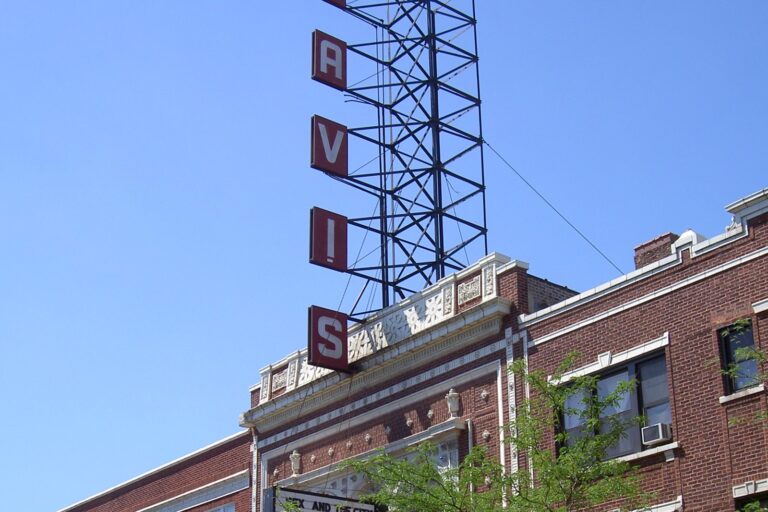
Programming diversity has always been a hallmark of the event, even in its earliest decades. The first festival featured major releases including ‘Annie Hall’, ‘The Fury’, ‘Close Encounters of the Third Kind’, ‘The Hills Have Eyes’, and ‘Pretty Baby’. Additionally, the opening night included a 90-minute clip compilation from Warner Bros. titled ‘The Movies That Made Us.’ Over time, the venue roster expanded to include the Ogden, the Vogue, the Esquire Theatre, the Aladdin, and the Denver Center Cinema, with the Esquire often hosting closing-night screenings.
The festival’s ability to balance local focus with international prestige has remained consistent. While recent years highlight Colorado productions like ‘Welcome to the Fishbowl’, historical records show a dedication to global cinema as well. The 28th Starz Denver Film Festival in 2005 specifically included a focus on Japanese Cinema and honored Ryuichi Hiroki. This dual approach allows the festival to introduce local audiences to movies they would not otherwise see, fulfilling its mission of presenting a diverse selection of independent and commercial films from around the world.
Sources
- Denver Film Festival
- The 49th Denver Film Festival shines a spotlight on Colorado filmmakers
- 49th Denver Film Festival brings all the buzz of Hollywood to the Mile High City
Photo: Jennifer 8. Lee (CC BY-SA 4.0)