
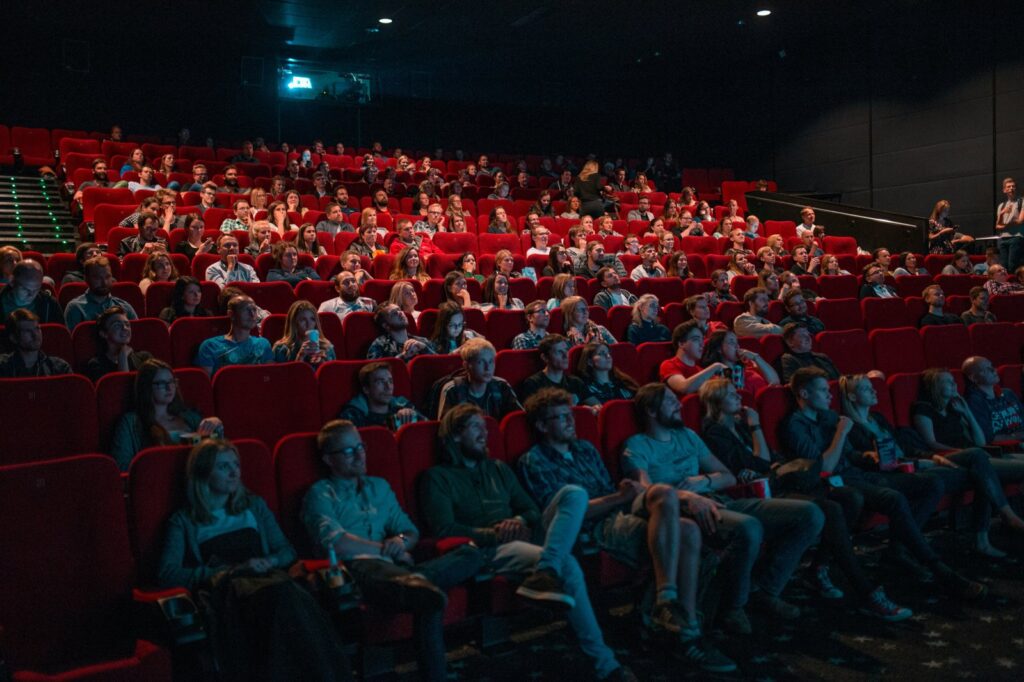
BUSAN, October 17, 2026 — Iranian drama ‘Midday Meal’ won the top prize at the Busan International Film Festival, securing qualification for Oscars consideration under the festival’s unique pathway for Asian cinema.
The festival’s role as the only Asian qualifying event for the International Feature Film category at the Academy Awards has become a defining feature of its global influence since the pathway was introduced for the 99th Oscars. According to the festival’s official history, BIFF was included among six designated international festivals — alongside Cannes, Berlin, Venice, Sundance, and Toronto — that grant automatic Oscar eligibility to their award-winning films. This distinction makes BIFF the sole Asian festival with such status, a point highlighted in its long-standing mission to spotlight first-time directors from Asia.
Founded in 1996 as Korea’s first international film festival, BIFF has grown steadily over three decades. The inaugural edition screened 173 films from 31 countries and drew 184,071 attendees. By the early 2000s, the festival had expanded its reach, with the 5th edition in 2000 showing 207 films from 55 countries and attracting 181,708 viewers. A key development came in 1999 with the launch of the Pusan Promotion Plan, later renamed the Asian Project Market in 2011, which was created to connect emerging directors with funding and production resources. This initiative has helped launch careers by providing access to co-producers, distributors, and grants.
BIFF’s standing in the global festival circuit was further affirmed when it was recognized as an ‘A Festival’ by the International Federation of Film Producers Associations (FIAPF), a designation held by only 17 festivals worldwide. This accreditation reflects the festival’s adherence to high standards in programming, industry access, and filmmaker support. Over the years, BIFF has maintained a strong focus on youth engagement, both through its large student and young adult audiences and its awards that champion new voices.
The 2026 edition reinforced this mission, with Mongolian-German feature *Zogsool* winning four major prizes, including the Vision of Jiseok Award, NETPAC Award, FIPRESCI Award, and one of two Hylife Vision Awards. Directed by Sakhya Byamba, the film portrays life on the Mongolian grasslands during the early Covid pandemic. Another top winner, *Full Moon* by South Korean director Jeong Jihye, took the CGV Award, K-Movie Award, and Songwon Vision Audience Award for Korean cinema. These results illustrate BIFF’s continued ability to identify and elevate films that resonate both regionally and internationally.
Through its Oscar qualification pathway, industry markets, and awards that attract global attention, BIFF has become a critical launchpad for filmmakers seeking wider recognition. Its combination of historical legacy, targeted support for new talent, and institutional credibility ensures its ongoing influence on global cinema trends and careers.
Festival Milestones and Institutional Recognition
BIFF’s institutional credibility was reinforced when it received the ‘A Festival’ designation from the International Federation of Film Producers Associations (FIAPF), a status held by only 17 festivals worldwide. This accreditation reflects the festival’s adherence to high standards in programming, industry access, and filmmaker support. The recognition came under FIAPF’s revised accreditation framework, affirming BIFF’s standing in the global festival circuit.
A pivotal moment in BIFF’s history occurred in 2011 when the festival moved to a new permanent home, the Busan Cinema Center in Centum City. This transition marked the 16th edition of the festival and provided a state-of-the-art venue for screenings, industry events, and audience engagement. The move underscored BIFF’s growth and institutional stability over its first decade and a half.
The festival’s commitment to nurturing emerging talent was institutionalized through the Pusan Promotion Plan, launched in 1999. This initiative was later renamed the Asian Project Market in 2011 and was created to connect emerging directors with funding and production resources. By facilitating access to co-producers, distributors, and grants, the program has played a key role in launching careers and supporting first-time filmmakers from Asia.
Spotlight on First-Time Directors
BIFF’s core mission has consistently centered on discovering and promoting first-time directors, particularly from Asian countries. This focus is embedded in the festival’s founding principles and has guided its programming and industry initiatives since its inception in 1996.
The festival’s efforts to develop young talent are reflected in its appeal to youthful audiences and its structured support for emerging filmmakers. By prioritizing debut features, BIFF has created a platform where new voices gain visibility and critical attention on an international stage.
This commitment was institutionalized through the Pusan Promotion Plan, launched in 1999, which was specifically designed to connect new directors with funding and production resources. The initiative was later renamed the Asian Project Market in 2011 but retained its original purpose of supporting first-time filmmakers from Asia.
Impact on Careers Through Awards and Markets
BIFF’s Oscar qualification pathway has directly influenced filmmakers’ careers by granting automatic eligibility for the International Feature Film category at the Academy Awards, a status unique among Asian festivals since its introduction for the 99th Oscars. This distinction allows award-winning films from BIFF to advance in the Oscars consideration process without requiring a separate theatrical run in Los Angeles, significantly increasing their visibility and distribution potential.
The festival’s industry markets, particularly the Asian Project Market (formerly the Pusan Promotion Plan), have facilitated career advancement by connecting emerging directors with co-producers, distributors, and grants. Since its launch in 1999, this initiative has supported first-time filmmakers from Asia in securing funding and production resources, contributing to their long-term professional development.
Awards presented at BIFF, such as the Vision of Jiseok Award, NETPAC Award, and FIPRESCI Award, have elevated filmmakers’ profiles on the global stage. Recognition from these juries often leads to increased interest from international sales agents and festival programmers, expanding opportunities for theatrical release and further festival participation.
Sources
- Before you continue to Google
- Busan International Film Festival
- Mongolian-German Feature ‘Zogsool’ Wins Big At Busan’s Vision Awards
Photo: Krists Luhaers / Unsplash (Unsplash License)




