Brazil’s flagship network TV Globo wrapped up its latest telenovela, Pantanal, on 7 October 2022. The series debuted on 28 March 2022 and spanned just over half a year, concluding after a tightly scripted arc that revisited the celebrated 1990 drama created by Benedito Ruy Barbosa.
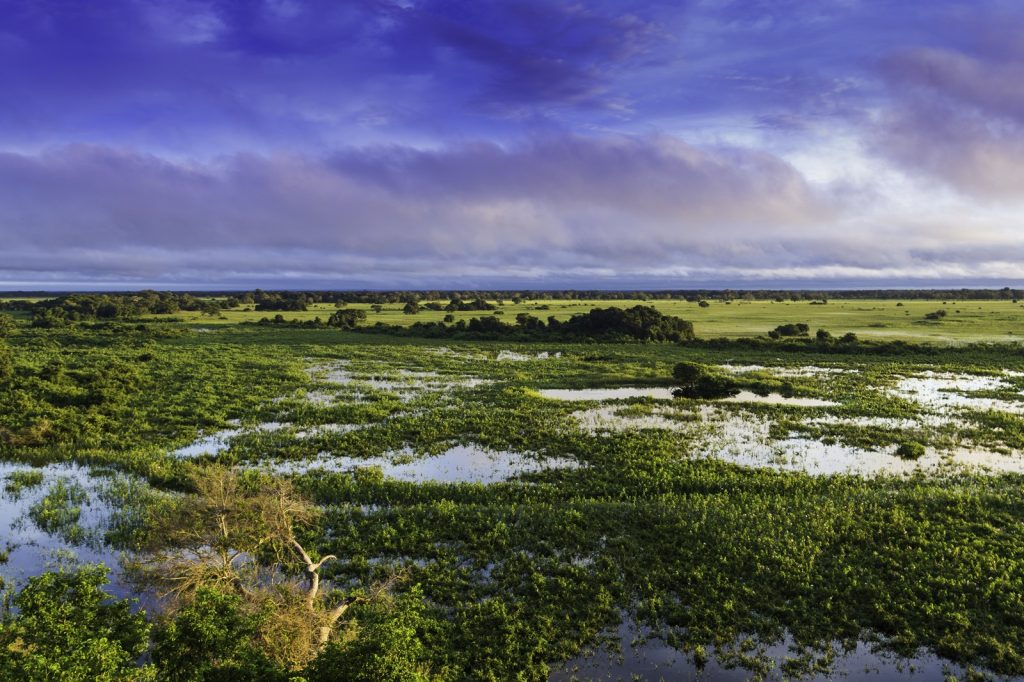
This modern version was penned by screenwriter Bruno Luperi. The ensemble cast – featuring Marcos Palmeira, Dira Paes, Jesuíta Barbosa, Irandhir Santos and Alanis Guillen – brings to life the everyday struggles and aspirations of people living in the Pantanal, the world’s largest tropical wetland. While the narrative follows familiar romantic and familial threads, it also foregrounds the region’s booming cattle‑ranching sector and the environmental pressures that accompany it.
Production took place on location throughout the Pantanal basin, capturing the area’s renowned biodiversity and striking scenery. Filming began shortly after the wetland suffered its most severe forest fire on record, a backdrop that informs several plotlines.
By embedding the aftermath of the blaze into the story, the creators highlight the tangible consequences of climate‑related disasters for both ecosystems and the communities that depend on them. Throughout its episodes, Pantanal examines the delicate equilibrium between economic activity and ecological stewardship. Characters grapple with the push‑and‑pull of expanding cattle operations, the threat of deforestation, and the need for sustainable practices.
The series does not shy away from portraying the friction between local landowners and indigenous groups, a conflict that mirrors real‑world debates over land use and conservation in the region. Critics and viewers alike have noted how the show blends entertainment with a clear environmental message.
By weaving issues such as climate change, habitat loss and the importance of protecting the wetland into its storyline, the telenovela aims to raise public awareness and encourage dialogue about the future of the Pantanal. As the final episode aired, industry observers pointed to the program’s impact on Brazilian television. Its ability to marry popular storytelling with social responsibility resonated with audiences, suggesting a growing appetite for content that tackles complex, real‑world topics.
The success of Pantanal may signal a shift toward more environmentally conscious productions in the country’s media landscape. Looking ahead, the cast and production team are expected to pursue new projects, while the show’s legacy could influence how future telenovelas address sustainability and cultural heritage.
The positive reception indicates that viewers are ready for narratives that not only entertain but also inform and inspire action on pressing ecological challenges.