
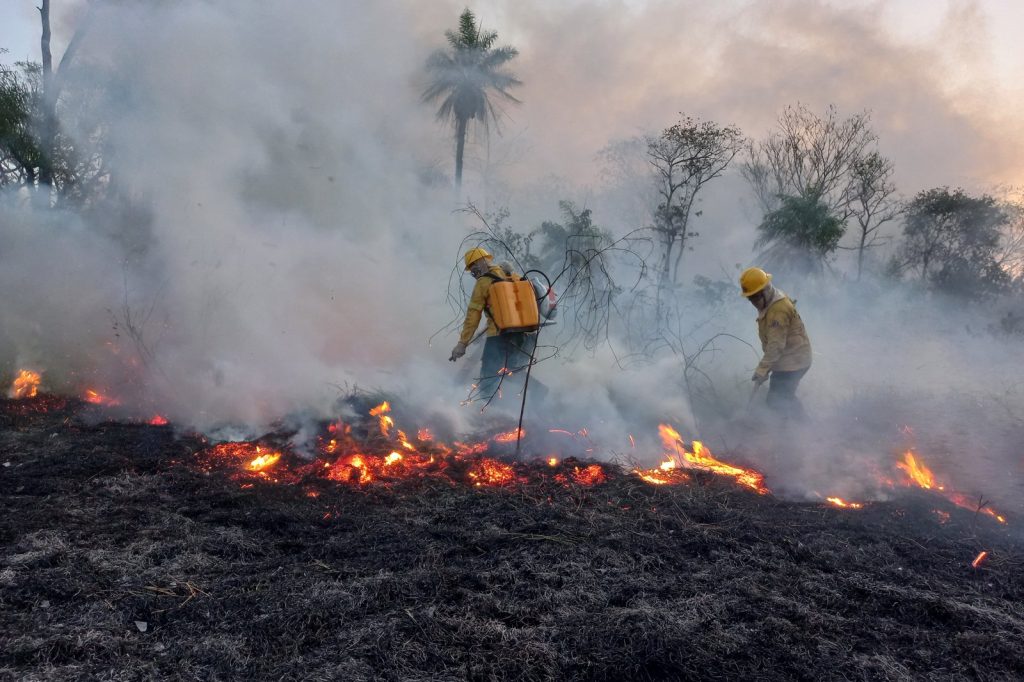
When the Brazilian network TV Globo launched its remake of the classic 1990 telenovela Pantanal on March 28, 2022, the production team faced an unusual backdrop: the world’s largest tropical wetland had just experienced its most severe forest fire on record. The series, which concluded on October 7, 2022 after a six‑month run, was filmed on location in the Pantanal region rather than on a studio lot in Rio de Janeiro, a decision that shaped both its visual style and its narrative focus.
Writer Bruno Luperi updated Benedito Ruy Barbosa’s original script for a contemporary audience, and a cast that included Marcos Palmeira, Dira Paes, Jesuíta Barbosa, Irandhir Santos and Alanis Guillen brought the story to life against the scarred landscape. By placing cameras amid the burned wetlands, the production injected the reality of recent devastation directly into the drama.
The Pantanal is not merely a scenic setting; it is a fragile ecosystem renowned for its biodiversity and for the cattle‑ranching traditions that have driven the local economy for generations. The telenovela’s plot mirrors this tension, pitting ranchers, indigenous communities and other residents against one another in a struggle over deforestation and land use. Rather than treating environmental concerns as a peripheral subplot, the series positions sustainable practices at the core of its storytelling, using the characters’ conflicts to illustrate the delicate balance between economic survival and ecological stewardship.
Unlike many prime‑time soaps that are dismissed as escapist fare, this remake deliberately foregrounded the climate crisis unfolding beyond the screen. The recent fires were woven into the narrative not as didactic commentary but as an lived experience for the characters, highlighting how climate change and deforestation directly affect everyday life in the region.
Filming on location also had a tangible economic impact on the Pantanal. The production hired local workers, many of whom had endured the fires, and injected funds into a community still recovering from the disaster. The result was a portrayal of the wetland that avoided glossy postcard imagery, opting instead for a realistic depiction of people striving to preserve their way of life amid mounting environmental pressure.
The remake arrived at a moment when Brazil was engaged in intense public debate over environmental policy. The Pantanal, long regarded as a symbol of the nation’s natural wealth, had become a focal point for discussions about the country’s vulnerability to climate threats.
While the series did not claim to resolve these debates, it succeeded in keeping the conversation visible by repeatedly showcasing the stakes—ranching interests, biodiversity, fire damage and land disputes—on a weekly basis. In a genre where storylines are often simplified, Pantanal resisted the urge to flatten its complex themes. Its six‑month run, short by telenovela standards, nonetheless left a lasting impression by presenting a nuanced view of the conflict between conservation and commerce.
The series’ commitment to authenticity—both in its on‑location filming and its thematic focus—has been noted as a factor that elevates its significance beyond mere ratings.




