
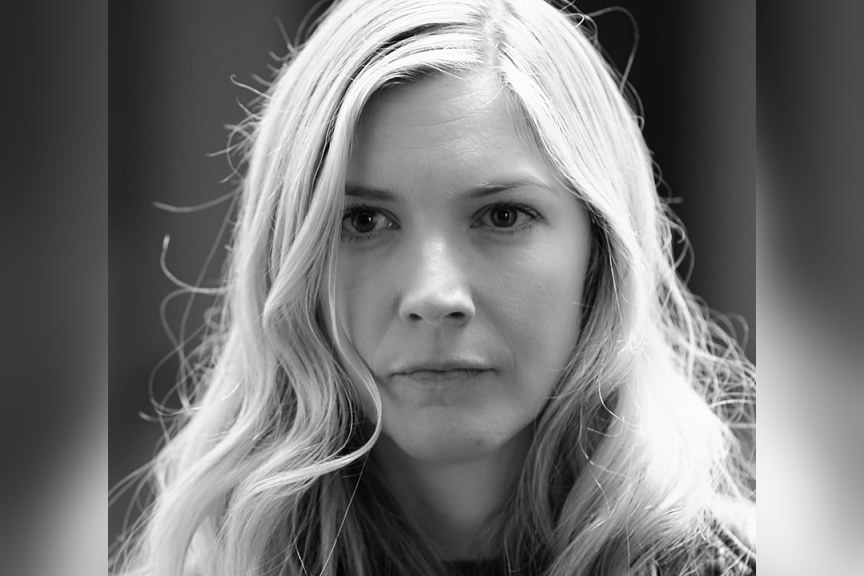
Lisa Faulkner will begin radiotherapy in the coming weeks. The 54-year-old actress and presenter had surgery two weeks ago. Doctors told her they got everything out.
The all-clear came back. But the follow-up treatment is still scheduled.
Faulkner married TV chef John Torode in 2019. She has four children. She posted a video to her 372,000 Instagram followers.
She called the operation “quite a big op.” Then she said: “it’s all good.” She thanked the “wonderful NHS” for the scan and early treatment. Her case has shifted a wider conversation.
Oncologists are now pointing out that breast cancer signs go beyond a lump. One specialist listed several red-flag indicators. The message is blunt: do not wait for a mass.
The timing is stark. Faulkner caught her cancer through a routine mammogram. She urged others not to delay screenings.
“Don’t put them off, go,” she said. “Without that mammogram it wouldn’t have been picked up.” Numbers from the report underline the stakes.
Research in The Lancet Oncology projects global breast cancer cases will exceed 3.5 million by 2050. In the UK, one woman receives a diagnosis every ten minutes, according to Breast Cancer Now. Early detection remains the single largest factor for successful treatment, officials confirmed.
Faulkner’s next steps are concrete. Radiotherapy will happen in the weeks ahead.
She has not specified a start date. She has not said where she will receive treatment. She has not stated how long the course will last.
Those details may come as she updates followers. The actress formerly appeared on EastEnders and Holby City. She has a public profile.
That profile is now attached to a direct medical warning. She is using it to push a single message: go to the appointment.
For the wider public, the takeaway is clinical. A lump is not the only sign. Doctors want women to watch for changes in skin texture, nipple discharge, dimpling, swelling, or persistent pain.
Faulkner’s own case was caught on a scan, not by self-examination. That fact reinforces the argument for routine screening.
The NHS offers mammograms to women aged 50 to 71 every three years. Faulkner is 54. She attended her scheduled appointment.
That decision, she said, made the difference. Her disclosure lands against a projected rise in cases. By 2050, the global figure could hit 3.5 million.
That is not a distant forecast. It is a number that oncologists are already citing in consultations.
Faulkner’s story gives them a real-world example to point to. She did not say whether she will speak publicly again about the treatment. She did not announce any charity partnerships.
She did not call for policy changes. Her statement was personal and direct.
She had surgery. She is clear. She needs radiotherapy.
She is grateful. The radiotherapy itself carries its own timeline. Standard courses for early-stage breast cancer typically run three to six weeks.
Faulkner has not confirmed her schedule. Patients often receive treatment five days a week with weekends off.
Side effects vary. Fatigue is common. Skin irritation can occur.
Faulkner has not discussed those details. What is known is that she is moving forward.
The surgery is done. The results are back. The next phase is set.
She will go to the hospital. She will receive radiation. She will wait for the next checkup.
For other women, the message is the same one she delivered on Instagram. Go for the mammogram.
Do not put it off. The scan found what her hands could not.
{“@context”: “https://schema.org”, “@type”: “NewsArticle”, “headline”: “Actress Lisa Faulkner to begin radiotherapy after successful breast cancer surgery”, “description”: “Lisa Faulkner will begin radiotherapy in the coming weeks. The 54-year-old actress and presenter had surgery two weeks ago. Doctors told her they got everything…”, “datePublished”: “2026-07-03T06:13:13+00:00T09:30:00+00:00”, “author”: {“@type”: “Person”, “name”: “Beatrice Ferrari”}, “publisher”: {“@type”: “Organization”, “name”: “InfoPulse Today”, “url”: “https://newsfeed.2bme.xyz/”}}




