Geneva, October 15
The United Nations Development Programme (UNDP) and Oxford University have released the 2026 update of the global Multidimensional Poverty Index (MPI), revealing a troubling rise in the number of people living in multidimensional poverty. The report shows that 1.2 billion people — a 51.5 million increase from the previous year — now face overlapping deprivations in health, education, and living standards. This increase is attributed to population growth outpacing progress in improving living conditions, with the most significant impact felt in Sub-Saharan Africa and South Asia.
Of the 1.2 billion people living in multidimensional poverty, 617 million are children, and 83% reside in rural areas. The MPI measures deprivation across 10 key indicators, including nutrition, child mortality, years of schooling, and access to electricity, clean water, and sanitation.
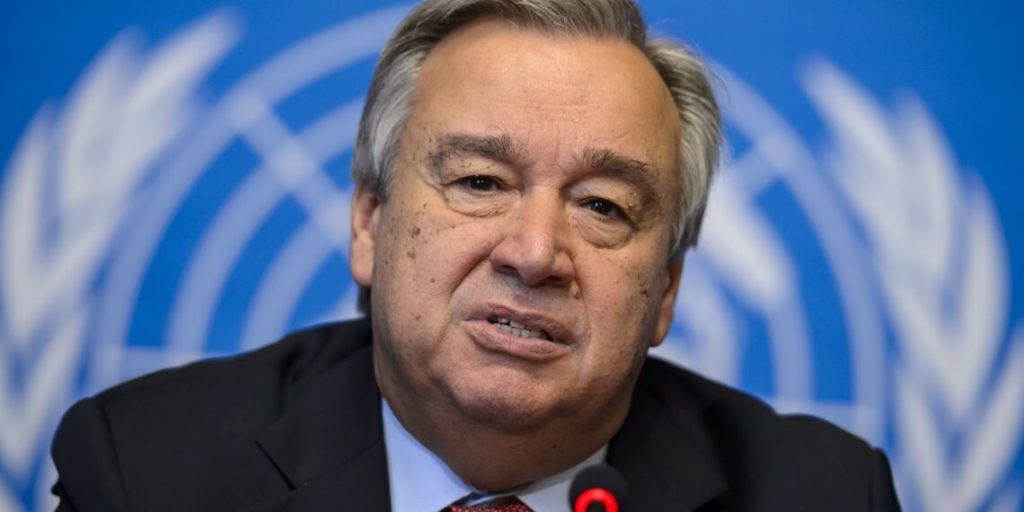
A person is considered multidimensionally poor if they are deprived in one-third or more of these indicators, highlighting the complex and interrelated nature of poverty. The UNDP Administrator, Alexander De Croo, has called the increase a ‘wake-up call for the world’. His remarks underscore the urgency of addressing the root causes of poverty and the need for more inclusive and targeted interventions, particularly in regions where progress has been slow or reversed.
The report serves as a stark reminder that despite global efforts, millions remain trapped in a cycle of deprivation that affects their health, education, and overall quality of life. The international community has pledged to reduce the proportion of people living in poverty by at least half before the end of this decade, in line with the Sustainable Development Goals (SDGs).
However, the 2026 MPI data suggests that current efforts may not be sufficient to meet this target. The findings highlight the need for renewed commitment, stronger policies, and increased investment in programs that address the multidimensional nature of poverty. As the global community grapples with these challenges, the focus remains on ensuring that no one is left behind.
The coming months will be critical in shaping the response to this growing crisis, with an emphasis on policies that prioritize the most vulnerable and support long-term, sustainable development across the world.