
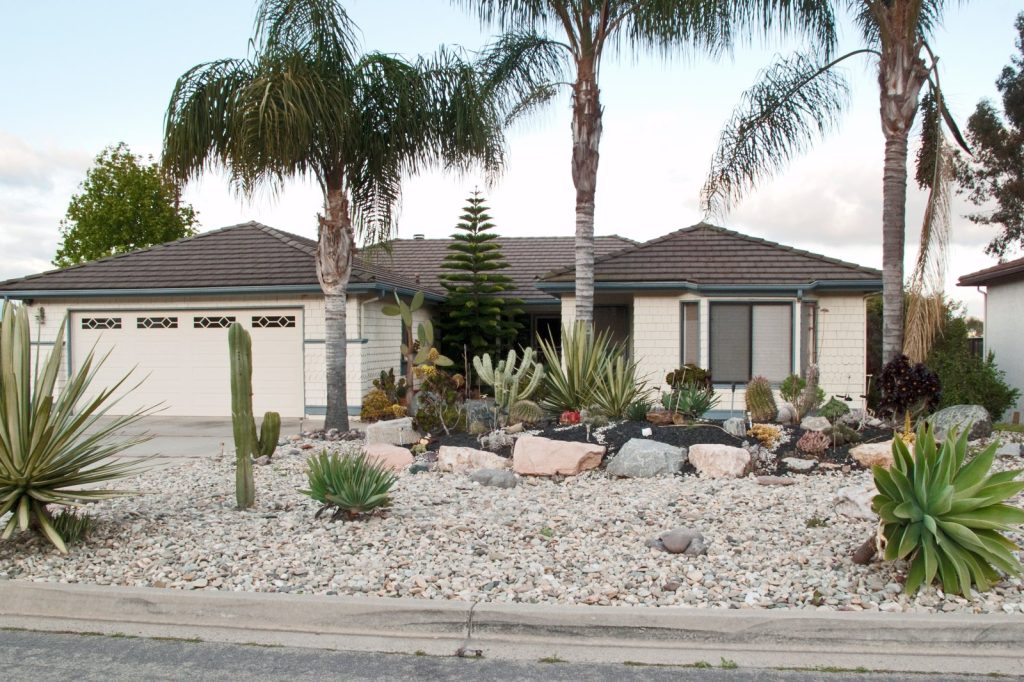
PHOENIX, October 3 — What began as a simple quest for water conservation has blossomed into a movement reshaping American landscapes. Homeowners across drought-prone states are embracing xeriscaping—creating low-maintenance, drought-tolerant gardens using native plants—as water scarcity concerns grow and financial incentives multiply. The story begins with a striking statistic: such gardens can reduce outdoor water use by up to 60% compared to traditional lawns, according to horticultural experts and water conservation studies.
This practical approach is gaining traction not just among environmental enthusiasts but among ordinary homeowners seeking both sustainability and savings. At its heart, the movement represents a fundamental shift in how Americans approach their outdoor spaces.
The guide emphasizes selecting regionally appropriate native species such as purple coneflower, black-eyed Susan, and little bluestem grass—plants adapted to local rainfall patterns and soil conditions that minimize the need for irrigation, fertilizers, and pesticides. Financial considerations weigh heavily in this transition. Initial installation costs for a 500-square-foot native plant garden range from $1,500 to $3,000, depending on plant density and soil preparation.
Yet homeowners typically recoup these expenses within 3 to 5 years through reduced water bills and lower maintenance costs. The long-term savings are compelling: annual maintenance costs drop from an average of $700 for a traditional lawn to under $200 for a mature native garden.
Water utilities in drought-prone regions like Arizona and California offer rebates of $0.50 to $2.00 per square foot for turf removal and native plant installation, potentially offsetting up to 50% of initial costs. These incentives have proven crucial in accelerating adoption among cost-conscious homeowners.
Beyond Water Conservation
The benefits extend beyond mere water savings. Native gardens support local biodiversity, providing habitat for pollinators such as bees and butterflies. Studies show a 50% increase in insect diversity in yards featuring native plants versus conventional landscapes—a significant ecological impact achievable at the residential level.
Practical implementation requires thoughtful planning. The guide recommends replacing thirsty turf grass with native groundcovers and grouping plants by water needs in hydrozones to optimize irrigation efficiency.
Mulching with organic materials like shredded bark helps retain soil moisture and suppress weeds, cutting water evaporation by up to 70%.
The Implementation Process
Success begins with preparation. Experts advise conducting a soil test before planting, amending soil with compost if needed, and planting in early fall or spring to allow root establishment before summer heat. This attention to timing and soil conditions significantly improves plant survival rates and garden resilience.
The guide stresses avoiding invasive non-native species and recommends consulting local extension offices or native plant societies for region-specific plant lists and planting calendars. This localized approach ensures each garden thrives within its unique environmental context.
Looking Forward
As climate patterns continue to shift, xeriscaping represents not just a trend but a practical adaptation strategy. The movement’s growth suggests a lasting transformation in American landscaping—one that balances ecological responsibility with economic practicality. Water conservation officials note that residential outdoor water use accounts for a significant portion of total consumption in many communities. As more homeowners adopt xeriscaping practices, the collective impact on water resources could substantial, particularly in regions facing increasing drought conditions.




