NEW YORK, June 27 — By the numbers, the graphic novel is no longer a niche format. It is now the third best-selling genre in North America, trailing only general fiction and romance. The figure that matters for publishers and investors: nonfiction graphic novels have achieved mainstream literary legitimacy, winning Pulitzer Prizes and National Book Awards, and generating film and streaming adaptations.
The bottom line: readers have never had this much choice. But the recent death of “Persepolis” creator Marjane Satrapi earlier this month hit the industry hard.
Her 2003 memoir of growing up in Iran during and after the 1979 revolution became one of the genre’s first blockbusters — and one of its most widely read and widely challenged titles. Earlier this year, “Persepolis” itself became the subject of a metanarrative. The book “Wake Now in the Fire” recounts an attempt to pull “Persepolis” from Chicago public schools and the student uprising that followed.
Five graphic memoirs from the first half of 2026 have stayed with this writer. One that stands out: “Anxietyland” by British comic artist Gemma Correll.
Correll’s work has appeared everywhere from The New Yorker to tote bags bearing the legend “Pugs Not Drugs.” Her 2018 was very rough. Days normally full of project deadlines splintered into insomnia, panic attacks and alcohol-intensive self-medication. She eventually checks herself into a hospital.
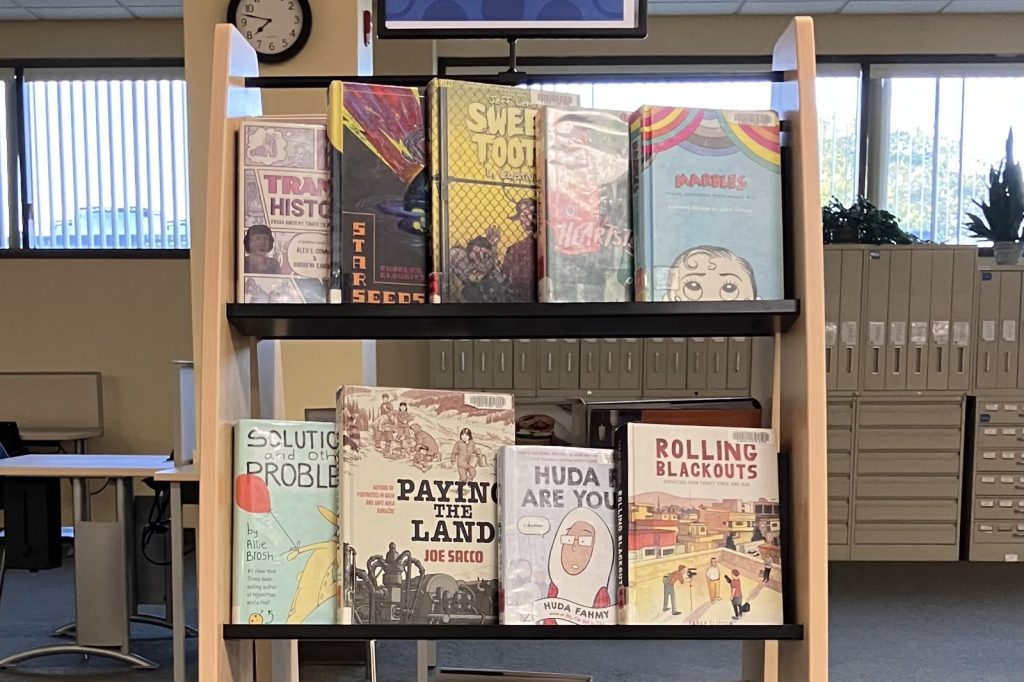
The genre’s expansion into elementary-school libraries has been a key driver of sales. These books are among the most popular titles in those collections, which suggests a long tail of demand that traditional publishers are only beginning to fully monetize. Investors will note that the crossover between school-library circulation and adult bookstore sales creates a durable revenue stream that pure prose memoirs often lack.
One downside to this abundance: there are only so many hours to read. The five titles that made the strongest impression this year share a thread of hope and humanity, even when their subject matter is dark.
Correll’s “Anxietyland” fits that pattern — a deeply personal account of mental health struggles that avoids self-pity. The legitimization of the nonfiction graphic novel as a literary form is relatively new, but the sales data suggests it is here to stay. Beyond the brisk numbers, these books win major literary awards and get adapted for the screen.
That combination — critical respect plus commercial viability — is rare in publishing. What to watch next: the continued fallout from the Chicago schools controversy, which has turned “Persepolis” into a symbol of free expression.
The publication of “Wake Now in the Fire” earlier this year suggests that the genre’s ability to document real-world conflict — and the battles over what gets taught — is only growing. For readers and investors alike, the graphic memoir has become a category worth watching closely.