
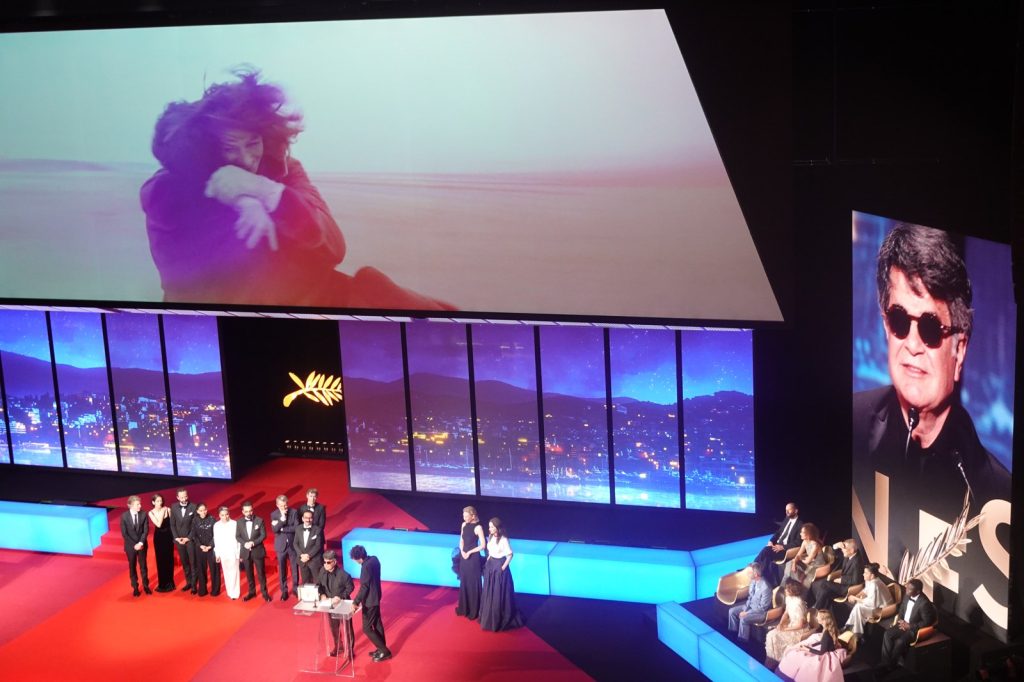
The 77th Cannes Film Festival, which ran from May 14 to 25, 2024, unfolded under the dual influence of labor tensions and cinematic prestige. While Sean Baker’s “Anora” claimed the Palme d’Or and Greta Gerwig led the jury, the event’s most notable undercurrent emerged before the first red carpet was laid.
The Broke Behind the Screens collective issued a public complaint regarding working conditions and compensation for festival staff, calling for a general strike. The group highlighted what it described as the precarious nature of employment in film festivals. This action served as a pointed reminder that the staff handling tickets, security, and logistics operate on a different economic level than the celebrities on the Croisette.
Although the strike threat did not halt the festival, it framed the entire two-week program in a specific context. The industry celebrated its highest artistic achievements while a portion of its workforce argued it was being treated poorly, a contrast that did not escape attendees or the press.
The opening ceremony proceeded with French actress Camille Cottin as host. The competition jury, chaired by Gerwig, awarded the Palme d’Or to Baker for “Anora,” a comedy-drama. This choice was viewed as a victory for independent American filmmaking, a genre that has historically found a strong international platform at Cannes.
The festival also presented three Honorary Palme d’Or awards in a single year, a rare concentration of lifetime-achievement honors. Meryl Streep received the first during the opening ceremony.
The second went to Studio Ghibli, the Japanese animation studio. The third was given to George Lucas at the closing ceremony, recognizing his innovative work in film. The official poster for the 77th edition, designed by Hartland Villa, featured a still from Akira Kurosawa’s “Rhapsody in August,” a film originally selected for the 44th Cannes festival.
This choice tied the event to the festival’s history, a visual reference to cinema’s past even as the present festival faced internal tensions. The lineup included films from both established and emerging filmmakers, a standard mix for Cannes that carried extra weight this year.
The festival aimed to demonstrate the diversity and creativity of the film industry even as some workers argued that the industry’s creative energy was not matched by fair labor practices. The strike call did not escalate into a full walkout. The ceremonies proceeded, films screened, and awards were given. However, the complaint from the Broke Behind the Screens collective did not fade.
It remained as a subtext, a question about the economics of cultural prestige. For a festival that prides itself on being the world’s most important cinematic event, the labor dispute presented an uncomfortable mirror.
It asked a straightforward question: If the art is celebrated, why is the work that makes the celebration possible treated as precarious? The festival offered no official answer. The strike threat simply existed, a fact alongside the films and awards, unresolved but undeniable.
The 77th Cannes Film Festival will be remembered for its winners and hosts, but also as the year workers spoke up before the stars walked in.




