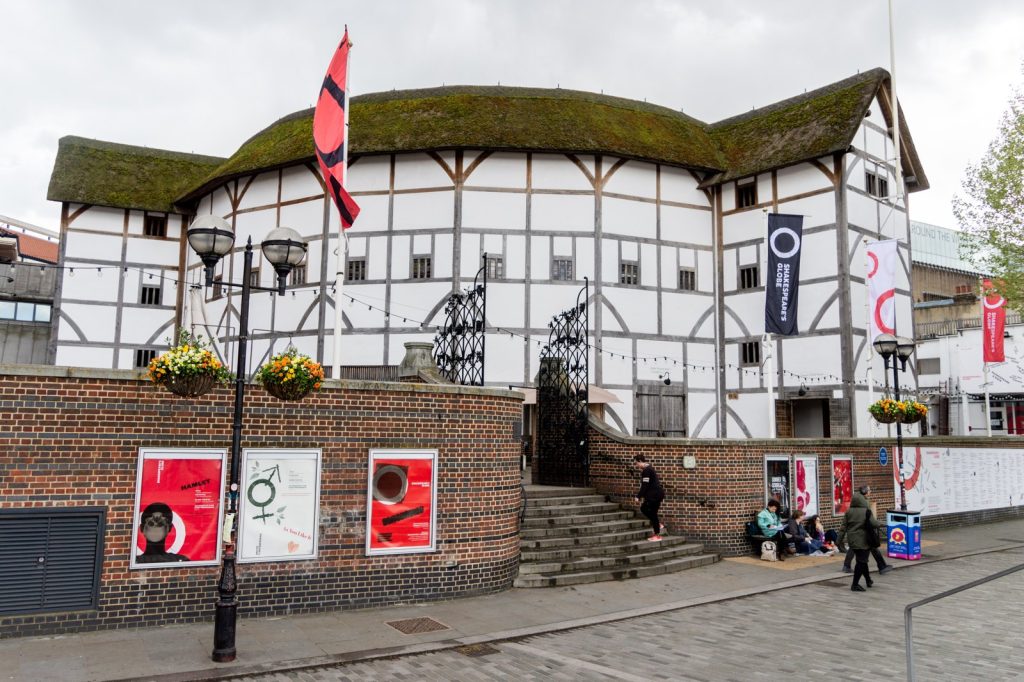
LONDON, July 21 — The phrase ‘box office’ has long ceased to denote merely the wooden counter where tickets are sold; it has become the metonym for a film’s commercial fate. Against this backdrop, the history of the term reveals a surprisingly tangible origin. Archaeological excavations at the sixteenth-century Globe Theatre and Rose Theatre in London have uncovered ceramic money boxes.
These were probably used by a ‘gatherer’ at the entrance to collect admission fees, though some scholars argue the boxes may have been carried by snack-sellers. The Oxford English Dictionary dates the first recorded use of ‘box office’ to 1741, when it derived from the office where tickets for theatre boxes were sold.
The architectural origins
For the theatre-goers of Shakespeare’s London, the ceramic box was the first point of transaction before entering the wooden O of the Globe or the rival Rose. The physical object—a simple clay container with a slit—embodied the commercial transaction that made live performance possible. That the same pottery vessels may have been used by itinerant food vendors rather than ticket collectors only adds an early layer of ambiguity to a term that now defines the fortunes of a global industry.
By at least 1904, the phrase was being used to describe total movie ticket sales, linking it directly to the modern film industry. What began as a specific office where patrons purchased access to reserved seating in a theatre box became, over two centuries, the universal shorthand for a motion picture’s commercial performance.
From theatre to cinema
The shift from theatre to cinema was not a sudden break but a gradual transfer of vocabulary. The same institutional framework—a physical box selling admission, a nightly tally of receipts, a standard of success measured by coin—migrated from the playhouse to the nickelodeon and then to the multiplex. The wider picture is one of continuity beneath transformation.
The box office remains what it has always been: a count of paid admissions, the most direct measure of what audiences choose to spend their money on. The ceramic money boxes of the Globe and Rose theatres, whether they collected ticket fees or snack money, were the earliest ancestors of today’s digital ticket systems—a line of descent that stretches from Elizabethan London to the global cinema screen.
What is at stake in this history is not merely etymology but an understanding of how commercial success in the arts has been quantified, recorded, and contested. The box office, whether as a physical counter or a headline figure, remains the blunt instrument by which the market judges performance. As new films prepare to test that benchmark, the old ceramic boxes remind us that the business of entertainment has always depended on the humble act of handing over a coin.
Sources
{“@context”: “https://schema.org”, “@type”: “NewsArticle”, “headline”: “16th-Century Money Box Sets $124.5 Million Hollywood Benchmark”, “description”: “LONDON, July 21 — The phrase ‘box office’ has long ceased to denote merely the wooden counter where tickets are sold; it has become the…”, “datePublished”: “2026-07-21T09:30:00+00:00”, “author”: {“@type”: “Person”, “name”: “Beatrice Bianchi”}, “publisher”: {“@type”: “Organization”, “name”: “InfoPulse Today”, “url”: “https://newsfeed.infopulsetoday.com/”}, “citation”: [{“@type”: “CreativeWork”, “url”: “https://en.wikipedia.org/wiki/Box_office”}]}