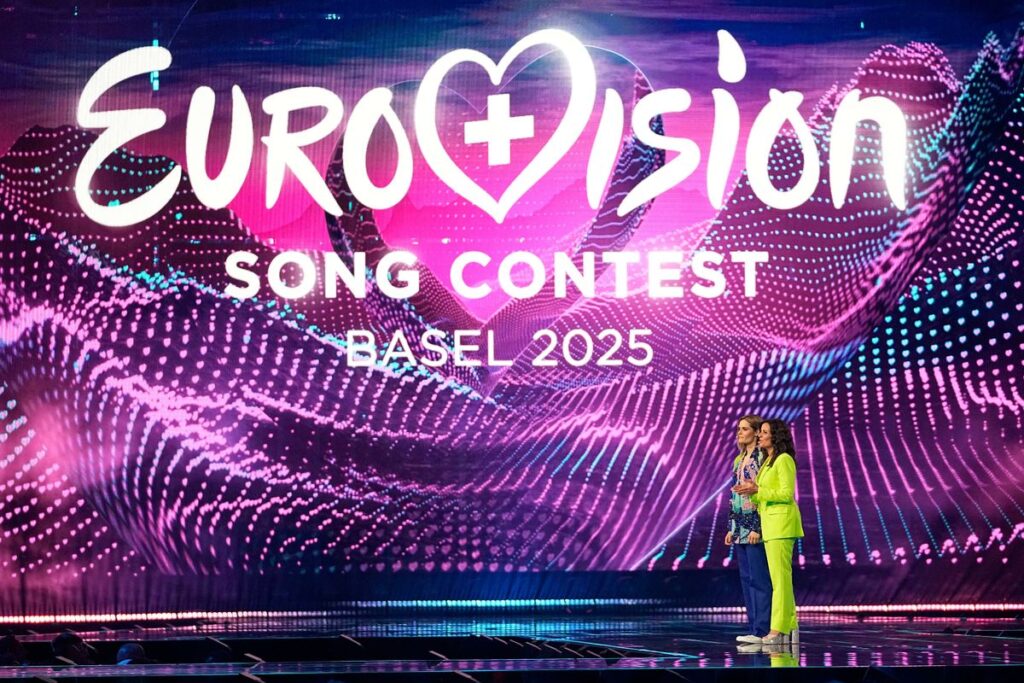
The 69th edition of the Eurovision Song Contest concluded on May 17, 2025, with Austria emerging as the winner. The event, held at St. Jakobshalle in Basel, Switzerland, ran from May 13 to 17, featuring two semi-finals and a grand final. Presenters Hazel Brugger and Sandra Studer hosted the semi-finals, with Michelle Hunziker joining them for the final broadcast.
The European Broadcasting Union (EBU) organized the contest alongside host broadcaster Swiss Broadcasting Corporation (SRG SSR). Switzerland earned the right to host after winning the 2024 contest with Nemo’s song “The Code.” Austria’s winning entry, “Wasted Love,” was performed by JJ and co-written by the artist with Teodora Špirić and Thomas Thurner.
The song secured victory by winning both the combined vote and the jury vote, reflecting broad appeal among professional jurors and the public alike. Thirty-seven countries participated in the 2025 contest, matching the number from the previous two editions. Montenegro returned after a two-year absence.
Moldova, which had initially planned to compete, withdrew citing economic reasons and concerns about the quality of songs in its national selection process. This withdrawal underscores the financial and logistical challenges some nations face in participating.
Israel’s participation continued to generate debate, particularly in light of the ongoing Gaza war. Several participating broadcasters called for discussions on the matter, highlighting the contest’s intersection with geopolitical issues. The Eurovision Song Contest has traditionally promoted unity through music, but it also reflects broader global tensions.
The choice of St. Jakobshalle as the venue contributed to the event’s energy and atmosphere, providing a distinctive setting for performers and audiences. SRG SSR’s role in staging the contest was central to its execution, and the successful hosting is expected to have a lasting impact on Switzerland’s music scene and its reputation for organizing major international events.
As the 2025 contest concludes, attention turns to future editions. The event continues to draw audiences worldwide and inspire new generations of music enthusiasts. With a history of bringing together diverse countries and cultures, the Eurovision Song Contest remains a significant fixture in the annual music calendar, celebrating the power of music to unite people across borders.