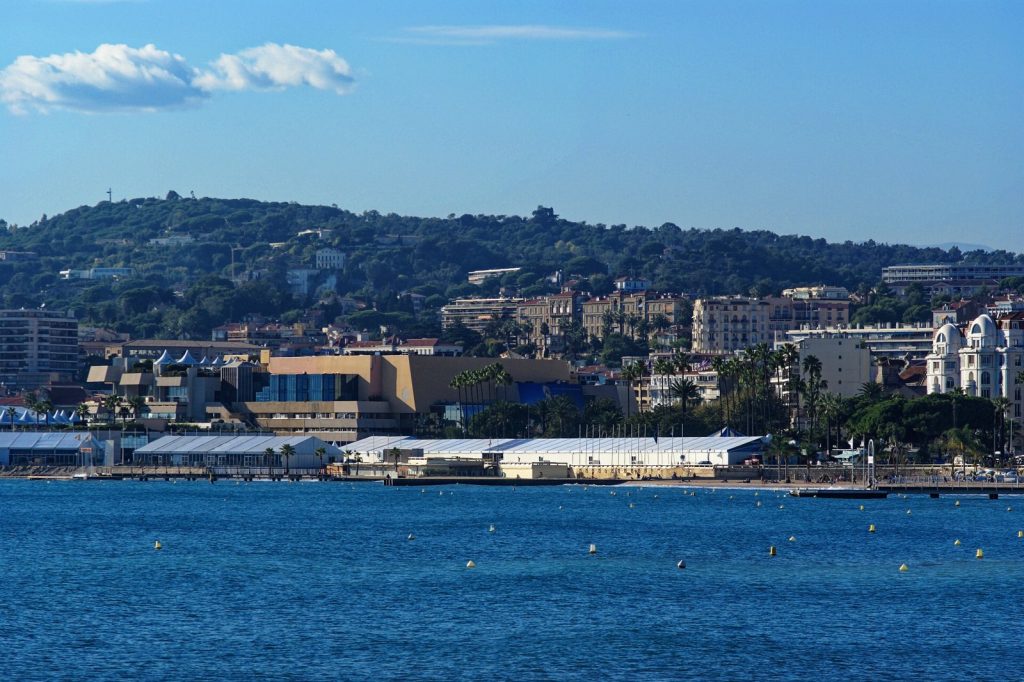
The 77th Cannes Film Festival ran from May 14 to May 25, 2024, unfolding against a backdrop of labor unrest that preceded the glamour of the red carpet. Days before the opening ceremony, the Broke Behind the Screens collective issued a public complaint about working conditions and compensation for festival employees, describing the nature of festival work as precarious. The group’s call for a general strike served as a reminder that the staff who handle ticketing, security, and logistics operate under different economic realities than the celebrities promenading along the Croisette.
Although the strike threat did not materialize into a full walkout, it framed the entire two‑week event. The opening ceremony proceeded as scheduled, hosted by French actress Camille Cottin, while the labor dispute lingered in conversations among attendees and journalists.
The contrast between the festival’s celebration of cinematic art and the workforce’s allegations of unfair treatment was evident, highlighting a tension that many observed throughout the proceedings. Despite the unrest, the festival’s official program continued. Greta Gerwig presided over the competition jury, which awarded the Palme d’Or to Sean Baker’s comedy‑drama “Anora.” The decision was noted as a victory for independent American filmmaking, a sector that frequently finds its most prominent international showcase at Cannes.
In addition to the main prize, the festival conferred three Honorary Palme d’Or awards—a rare concentration of lifetime‑achievement honors in a single year. Meryl Streep received the first during the opening ceremony, the second was presented to Studio Ghibli in recognition of its imaginative storytelling, and the third was given to George Lucas at the closing ceremony for his innovative contributions to film.
The visual identity of the 77th edition was crafted by Hartland Villa, whose official poster featured a still from Akira Kurosawa’s “Rhapsody in August.” That image, originally selected for the 44th Cannes festival, linked the current event to the festival’s long history, offering a retrospective nod even as contemporary issues surfaced. The selection of films spanned both established and emerging directors, a customary blend at Cannes that this year carried added significance.
Organizers aimed to underscore the diversity and creativity of the global film industry while the Broke Behind the Screens collective maintained that the industry’s creative energy was not being matched by equitable labor practices. The strike threat never escalated to a work stoppage; screenings proceeded, ceremonies took place, and awards were distributed.
Nevertheless, the collective’s concerns persisted as an undercurrent, posing a fundamental question about the economics underpinning cultural prestige: if the art is lauded, why is the labor that enables it often treated as insecure? Festival officials did not provide an official response to the labor complaint, leaving the issue unresolved yet undeniable. In retrospect, the 77th Cannes Film Festival will be remembered not only for its winners—Sean Baker’s “Anora,” the three honorary laureates, and host Camille Cottin—but also for the moment when festival workers voiced their grievances before the stars arrived.