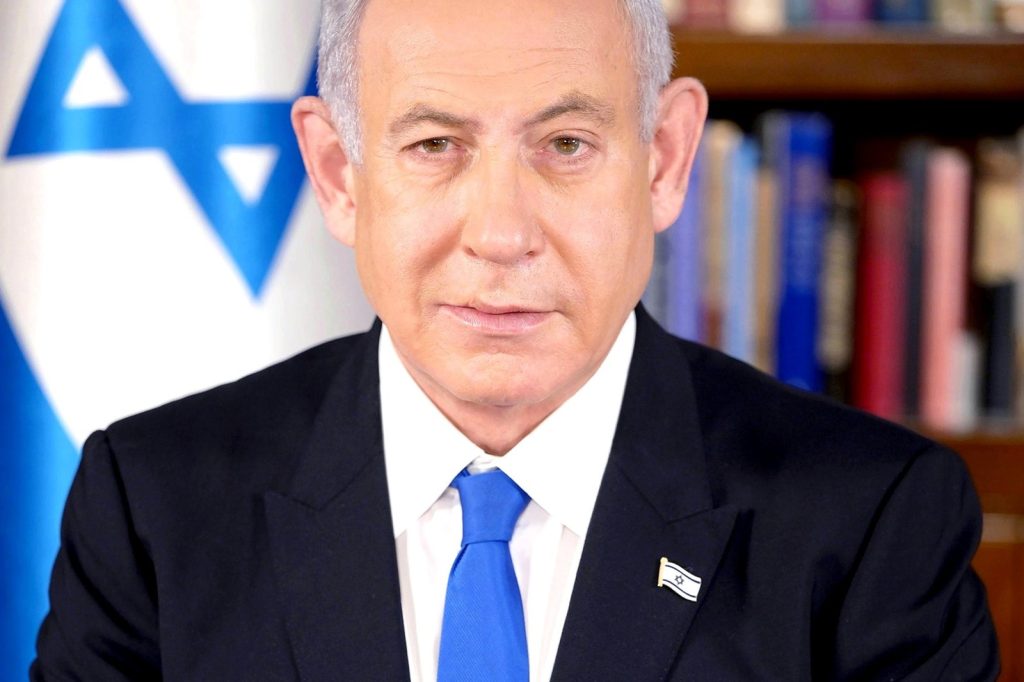
August 21, 2026 — Ankara, Turkey The arrest warrant issued by Turkey for Israeli Prime Minister Benjamin Netanyahu has become a dominant story on streaming news platforms, capturing global attention in a way few diplomatic disputes do. The warrant, framed in headlines as a “genocide” arrest warrant, was announced on August 21 and quickly spread across outlets from opposite ends of the political spectrum.
Firstpost’s Vantage program led with the headline “Turkey Issues Arrest Warrant for Israel’s Netanyahu Over ‘Gaza Genocide,’” while The New Arab used nearly identical language to emphasize the same charge. Both outlets focused on the legal action itself, but their framing differed in tone and context.
The Times of Israel added nuance by describing the warrant as “fresh” and linking it to broader regional tensions, particularly the “growing Syria tensions” between Turkey and Israel. This connection positioned the legal move as part of a larger strategic rivalry, rather than an isolated incident. Meanwhile, L’Orient Today kept its reporting straightforward, simply reporting the fact of the warrant’s issuance.
France 24 provided a critical detail: the warrant is tied to the detention of a Gaza flotilla, a specific incident from 2010 that involved activists attempting to deliver aid to Gaza. This adds a layer of historical context, suggesting Turkey is using past events to justify its current legal action.
Le Monde highlighted the immediate political fallout, noting that Netanyahu responded by calling Turkish President Recep Tayyip Erdogan an “antisemitic dictator.” This exchange became a central part of the narrative, blending legal proceedings with sharp rhetoric. The personal attack from Netanyahu, combined with Turkey’s legal move, has amplified the story’s visibility. Streaming platforms have prioritized this dual dynamic—legal action and public condemnation—making it a fixture in live news feeds.
The rarity of a NATO member state pursuing an international arrest warrant against a foreign leader has also drawn attention, raising questions about jurisdictional authority and the implications for international law. What makes this story stick, beyond the dramatic headlines, is the interplay of competing narratives. Some outlets focus on the genocide allegation, framing Turkey’s action as a moral stance against Israeli policies in Gaza.
Others emphasize the flotilla detention case, which involves a specific historical event that could implicate Netanyahu in past actions. The Syria context, meanwhile, ties the dispute to regional power struggles, suggesting that Turkey may be using this legal tool to assert influence in a volatile area.
These angles aren’t mutually exclusive; they overlap, creating a complex web of motivations and consequences. For ordinary viewers, the practical upshot is a story that refuses to fade. Unlike typical diplomatic protests that settle into background noise, this one has sustained engagement because of its combination of legal rarity, personal conflict, and regional stakes.
Streaming platforms, which often prioritize real-time drama, have kept it visible. The arrest warrant’s longevity also reflects how a single legal action, when paired with a public rebuke, can dominate media cycles.
It’s a reminder of how quickly a localized event can become a global talking point, especially when it involves high-profile leaders and contentious accusations. Underlying all this is a broader question about the role of international law in modern diplomacy. An international arrest warrant is not a routine tool; it requires cooperation from other nations and carries significant political weight.
Turkey’s move challenges norms about when and how such warrants are issued, particularly against sitting leaders. The jurisdictional questions—can Turkey legally pursue this against Israel, a country it has complex but not entirely hostile relations with?—are part of the ongoing debate. The story’s dominance also underscores how streaming media amplifies certain narratives, turning legal documents into viral content.
As of now, the warrant remains active, and Netanyahu’s response has not been resolved. What’s next?
Observers will likely watch for reactions from other countries, particularly within NATO or the Arab League. Will other nations support Turkey’s request for an international warrant? How will Israel respond legally or politically?
The Syria tensions may also evolve, potentially linking this dispute to broader regional instability. For now, the story’s persistence shows how a single legal action, when framed in multiple ways, can create a lasting impact on global media and public discourse.