
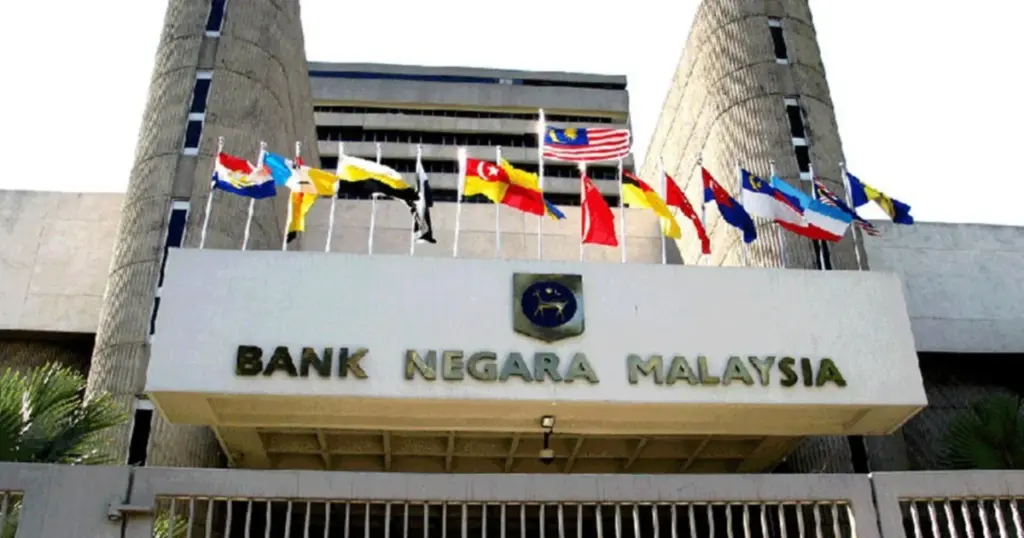
Following the release of the discussion paper earlier this year. Bank Negara Malaysia (BNM) today released the exposure draft on the licensing and regulatory framework. For digital insurers and takaful operators (DITOs) for written feedback.
The central bank stated in a statement that the proposed framework for facilitating the entry of DITOs in Malaysia. That can provide compelling value propositions to realize inclusiveness, competition, and efficiency was highlighted in the exposure draft.” The exposure document contains precise rules on the acceptable business models and distribution methods for DITOs.
As well as licensing and application processes. This aims to benefit policyholders while promoting sustainable business practices. The Financial Services Act of 2013 or the Islamic Financial Services Act of 2013 will have rules that DITOs must abide by.
According to Bank Negara Malaysia, DITOs will conduct their insurance or takaful business entirely through digital or electronic means. As a result, new types of businesses and operational models are anticipated to emerge in order to better serve the demands of a wide range of consumers.
The central bank keeps focus on good risk management and consumer protection while promoting these technologies. Up to five licenses may be granted to applicants who meet all standards, according to Bank Negara Malaysia, which stated that it intended to finalize the policy paper and invite license applications in 2023. Alternative suggestions as well as clarifications or elaborations can be provided in response to the exposure draft.
The development of digital insurers and takaful operators (DITOs) is part of a broader trend in the financial services sector, where technology is increasingly being leveraged to enhance efficiency, accessibility, and innovation. This shift is driven by advancements in digital technologies, changing consumer behaviors, and the need for financial institutions to adapt and remain competitive. As a result, regulatory bodies around the world are having to reassess and update their frameworks to accommodate these new business models and ensure that they operate in a safe and sound manner.
In the context of Malaysia, the introduction of DITOs is expected to promote greater inclusiveness and competition in the insurance and takaful markets. By providing an alternative to traditional insurance and takaful products, DITOs can help to increase penetration rates and provide more affordable and convenient options for consumers.
Furthermore, the use of digital channels can help to reduce costs and improve the overall customer experience, making insurance and takaful products more appealing to a wider range of consumers. The regulatory framework for DITOs is critical in ensuring that these new business models operate in a manner that is consistent with the overall objectives of promoting financial stability, protecting consumers, and maintaining public trust and confidence in the financial system.
As such, the exposure draft released by Bank Negara Malaysia provides an important opportunity for stakeholders to provide feedback and input on the proposed framework, helping to ensure that it is robust, effective, and aligned with international best practices. The central bank’s focus on risk management and consumer protection is particularly noteworthy, as these are essential components of a well-functioning financial system.
The potential impact of DITOs on the Malaysian financial services sector is significant, with the possibility of new business models and operational approaches emerging to meet the evolving needs of consumers. As the sector continues to evolve, it is likely that regulatory bodies will need to remain agile and responsive, updating their frameworks and guidelines as necessary to accommodate new developments and innovations.
By providing a clear and comprehensive regulatory framework, Bank Negara Malaysia can help to foster a supportive environment for the growth and development of DITOs, ultimately contributing to a more vibrant, competitive, and inclusive financial services sector.




