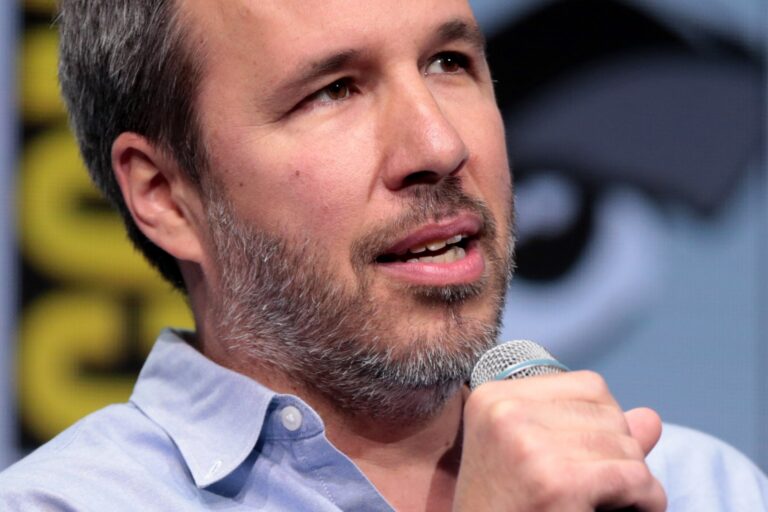
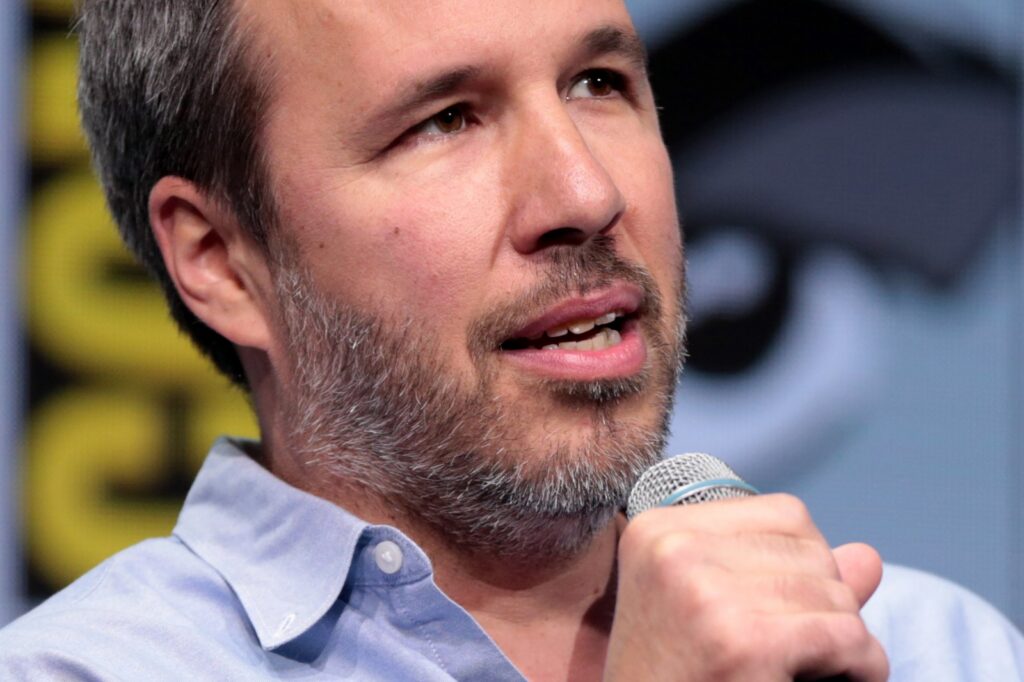
Denis Villeneuve has spent nearly a decade adapting Frank Herbert’s Dune and Dune Messiah, a saga centered on Paul Atreides (Timothée Chalamet) and the desert planet Arrakis. The trilogy concludes with Dune: Part Three, which opens December 18, by which point billions have died in Paul’s name and he faces a conspiracy that includes his wife, Princess Irulan (Florence Pugh), and Chani (Zendaya), the estranged Fremen mother of his children.
The Unadaptable Chamber Piece
Villeneuve described Herbert’s Dune Messiah as a complex, paranoid, and depressing chamber piece that was not welcomed by original readers. “The book is a chamber piece. People are meeting in rooms talking,” Villeneuve told TIME. He noted that Herbert felt the first novel read as an elegy of a hero, missing the mark on his intent to create a warning against messianic figures. That structural challenge — a novel driven by interior dialogue rather than action — defined the adaptation’s calculus.
Expanding a Single Sentence
The most visible departure arrives in the opening minutes. The film’s opening battle runs approximately 15 minutes on screen but occupies only a single sentence in the novel. Villeneuve said the adaptation is so free that he felt it would have been dishonest to title the movie Dune Messiah. “That’s why it’s called Dune: Part Three,” he said.
Rewriting Chani’s Trajectory
The deepest strategic shift concerns Chani. In Herbert’s text, she remains loyal to Paul even after he marries the emperor’s daughter and assumes the mantle of messiah. In Villeneuve’s films, Paul and Chani have children together, but she ultimately turns against his regime. The director traced the change to Dune: Part Two, where he sought to embrace Herbert’s warning rather than celebrate the hero’s rise. He made Chani a critic of religious colonization, representing a new Fremen generation that rejects Bene Gesserit manipulation and seeks freedom on its own terms. “In the third movie, Chani is still a critic of the choices Paul has made. She believes the Fremen should free themselves. She doesn’t want to harm Paul, but she does want to harm his regime,” Villeneuve said. He added that in the book, Chani “is there to give Paul foot massages. It’s a character that has not a lot of firepower.”
When You Adapt, You Kill
Asked about book purists, Villeneuve was direct. “When you adapt, you kill. It is not the book. It is my movie inspired by the book, with tremendous respect.” He framed the trilogy’s focus on the Bene Gesserit as a deliberate choice, noting that other threads — such as the Butlerian Jihad and the ban on thinking machines — were excluded because the canvas was already too crowded. “You have to make choices. That’s the beauty of adaptation.”
Back to the Desert, Then to London
Villeneuve shot Dune: Part One and Dune: Part Two back to back without a single day break. He originally planned a long pause before the third chapter but ultimately moved forward to complete the trilogy. Following the December 18 release of Dune: Part Three, Villeneuve plans to return to his crime drama roots with the 26th James Bond film, which will star Robert Pattinson.
Sources
- Denis Villeneuve on Drastic Changes in His Dune: Part 3 Movie: ‘When You Adapt, You Kill’
- Denis Villeneuve on Drastic Changes in His 'Dune: Part 3' Movie: ‘When You Adapt, You Kill’
- Every Denis Villeneuve Movie Ranked From Worst to Best | Man of Many
- Dune Director Denis Villeneuve Thinks David Lynch's 1984 Movie Was Missing Something
Photo: Gage Skidmore (CC BY-SA 3.0)