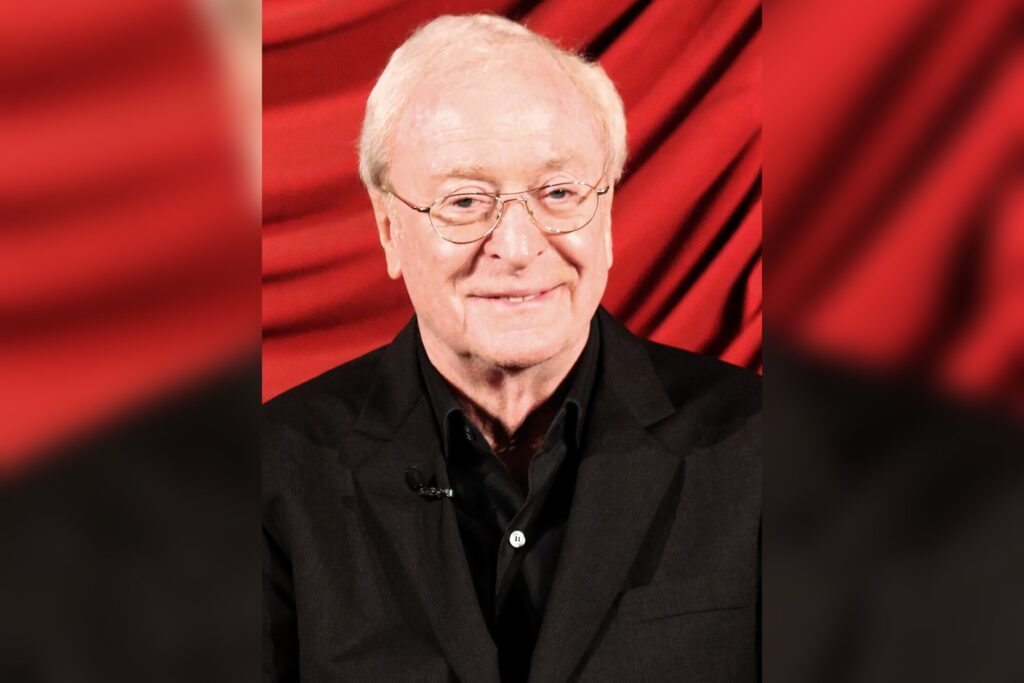
Michael Caine never set foot in a recording booth for his latest role. The actor, 91, is the narrator of a new 13-hour audiobook of Homer’s The Odyssey, produced by ElevenLabs. His voice was recreated by artificial intelligence.
The project lands at a curious moment. Christopher Nolan is filming his own big-screen adaptation of the ancient epic.
Audiences hungry for that movie now have a digital alternative — one built in a lab, not on a soundstage. This is not the first time a deceased or retired actor has been digitally resurrected. James Earl Jones agreed to let AI preserve his voice as Darth Vader.
Disney has used CGI to bring back Peter Cushing and Carrie Fisher. But Caine is still alive.
He consented to this. ElevenLabs partnered with him directly. Dustin Blank, ElevenLabs’ Head of Partnerships, said the company wanted a narrator who felt right for the material.
“Michael Caine is a legend. He is a national treasure, and his voice means so much to so many people,” Blank said. “We thought he would be the perfect person to help tell this story for his part in it, and I think he does.” The production uses a cast of 20 AI-generated voices from ElevenLabs’ library.
Sound design and music were also built with the company’s own tools. The result is a 13-hour audio experience available through the ElevenReader app.
No film crew. No catering trucks. No union negotiations for background actors.
Comparisons to past synthetic voice projects reveal a pattern. In 2020, the podcast Archive 81 used AI to mimic a dead woman’s voice for a documentary.
Listeners called it unsettling. In 2023, an AI-generated song featuring cloned voices of Drake and The Weeknd went viral — then got pulled for copyright violations. The public has been wary.
ElevenLabs is betting on a different reception. They frame this as homage, not replacement. The company is not trying to put voice actors out of work.
They are trying to let a beloved voice reach a new audience through an ancient story. The choice of The Odyssey matters.
It is a story about endurance, memory, and the long journey home. Caine’s voice, aged and familiar, suits a narrator who has seen things. The AI does not mimic a young Michael Caine.
It reproduces the voice people know now — the one from The Dark Knight, Inception, and countless interviews. Nolan’s film will likely dominate headlines when it arrives.
Twelve hundred people on a set. A budget north of $150 million. IMAX cameras.
Practical effects. The ElevenLabs version cost a fraction of that. It required no actors on set, no lighting rigs, no costume fittings.
Just a voice library and a licensing deal. Blank acknowledged the weight of the story itself.
“Our version of it is another retelling of it that we think is really strong — it does justice,” he said. Whether audiences agree will depend on how they feel about hearing a legend speak without being in the room. The technology is here.
The question is whether people will embrace it, tolerate it, or reject it. For now, the app is live.
Caine’s voice guides listeners through the wine-dark sea. The actor himself may never record another audiobook. But his voice, captured and synthesized, can still tell a story.