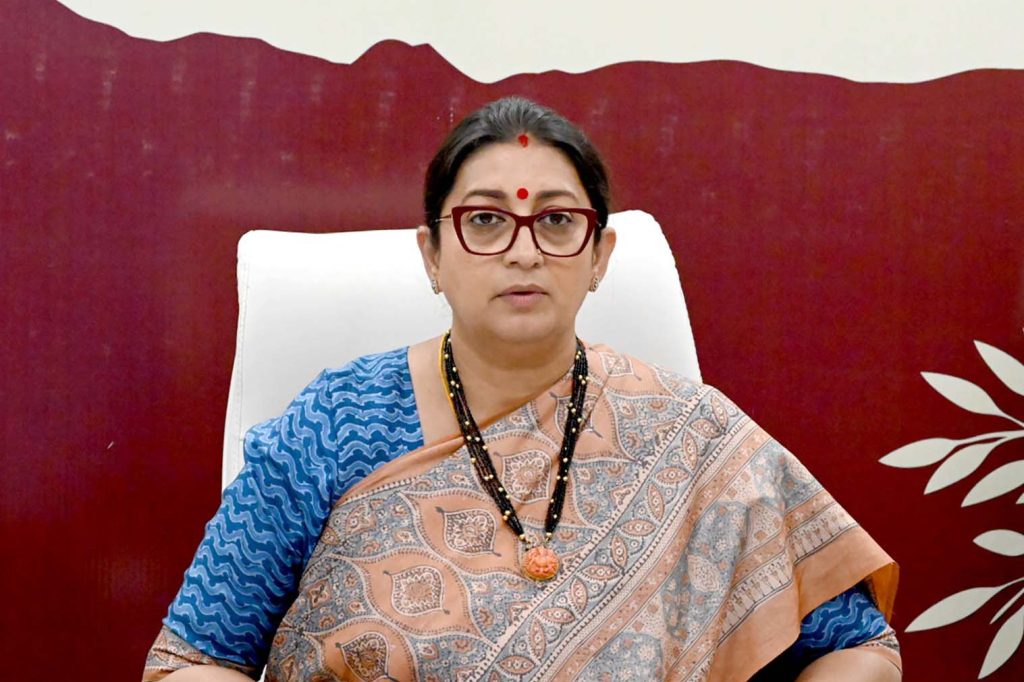
Tulsi slapped Parth twice. The second time, she warned him she would call the police. He did not back down.
He grabbed her by the neck. Vaishnavi tried to pull him off.
This was not a family argument. This was a physical assault unfolding inside a farmhouse on a night that was supposed to be a celebration. Dev had asked Vaishnavi to celebrate his big day with him.
That plan collapsed the moment Parth opened a champagne bottle and told her he had sold his grandmother’s haveli. The sale was not a small transaction.
Parth told Vaishnavi he had received a huge amount of money. He wanted to sign the papers in front of her, to prove he had defeated her grandmother. He demanded she call the elderly woman to try to stop him.
Vaishnavi did not call anyone. She took the papers and threw them into the fire. Parth watched the documents burn.
That was the moment the confrontation turned violent. He dragged her.
He threatened to teach her a lesson. She cried for help. The report says she cried just as Nandini once had.
That parallel is deliberate. The writers are drawing a direct line between past abuse and present violence.
Tulsi heard the cries from the farmhouse. She rushed in. She saw Parth attacking Vaishnavi.
She dragged him off and slapped him. He told her to stay out of his matter. She slapped him again.
He reminded her that Vaishnavi was his wife. Then he grabbed her by the neck.
The scene raises a clear question about what the show is saying about marriage and property. Parth sold a haveli that belonged to his grandmother. Vaishnavi tried to stop him.
He treated her defiance as a personal insult. He treated her body as something he could control.
When Tulsi intervened, he treated her the same way. The show is presenting a world where women who resist a man’s control over property are physically attacked, and where the legal relationship of marriage is used as a justification for that attack. Parth told Rio he had the money.
He said no one could stop him. He was wrong. Vaishnavi stopped him by burning the papers.
But she paid for it. Tulsi stopped him by slapping him.
She paid for it too. The episode does not show a resolution. It shows a fight.
The haveli is still at risk. Parth still has the money.
Vaishnavi is still his wife. Tulsi was attacked for trying to protect her. The show has a long history of using violence as a plot device.
But this episode is different. The violence is not a misunderstanding. It is not a villain being cartoonishly evil.
Parth is calculated. He sold the haveli deliberately.
He wanted to humiliate Vaishnavi’s grandmother. He wanted to force Vaishnavi to watch. When she burned the papers, he did not negotiate.
He dragged her. He grabbed Tulsi by the neck.
The show is depicting domestic violence as a direct consequence of a property dispute. That is a specific choice. What happens next depends on whether Tulsi calls the police.
She said she would. The episode ended before she did. If she follows through, the show enters new territory.
Police involvement in a domestic violence case on Indian television is rare. If she does not, the message is that family elders can handle violence without outside help.
That message has been sent before. It has not worked. The farmhouse became a battlefield.
That is how the report describes it. It is accurate.
A woman burned legal documents to protect her grandmother’s home. Her husband attacked her. Another woman intervened.
She was attacked too. The property is still in play. The marriage is still in place.
The violence is not over. It never is on this show.
Sources
- Google News – News about Kyunki Saas Bhi Kabhi Bahu Thi…
- Are 'Angad' And 'Paridhi' Step-Children Of 'Tulsi'…